
Ukraine Launches Major Drone Attack on Russia, Hitting St Petersburg Oil Terminal
Ukraine’s major drone assault set oil facilities ablaze in St Petersburg as tensions grow with Trump over attacks on Russian energy infrastructure.
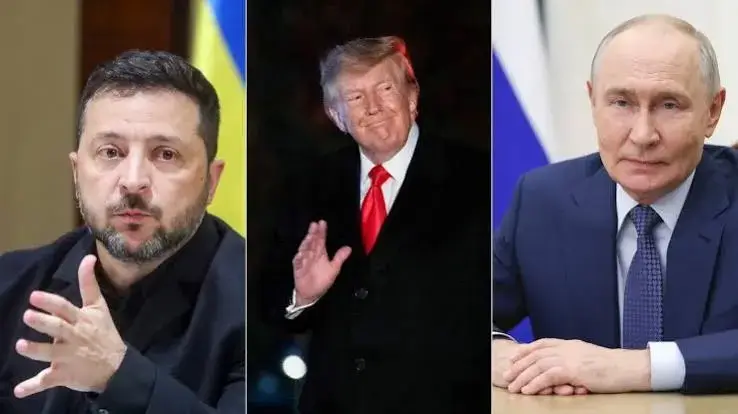
Ukraine launched a massive overnight drone offensive against Russia, setting an oil export terminal and a fuel depot ablaze in St Petersburg, as its growing dispute with US President Donald Trump over attacks on Russian energy infrastructure threatens to complicate efforts to end the war.
The assault, which continued into Sunday, October 18, was among Ukraine’s largest aerial attacks since Russia’s full-scale invasion began in February 2022. Russia’s Defence Ministry said its forces had intercepted or destroyed 1,015 Ukrainian drones across 15 Russian regions, occupied Crimea and the Black Sea. The figure represents Moscow’s account of the operation, while the full number of drones launched and the extent of damage across all reported locations could not be independently established.
In St Petersburg, Russian authorities reported fires at the Petersburg Oil Terminal and the Ruchi oil depot. Regional governor Alexander Beglov said one person was killed and five others injured. The companies operating Russian online retailer Ozon and technology group VK also confirmed that a logistics centre and a data centre, respectively, had been targeted.
The attack came days after Trump called on Ukraine to stop striking Russian refineries and other energy facilities, arguing that the operations were contributing to higher fuel prices. On October 11, the US president announced that Russia and Ukraine had agreed to an “energy ceasefire”, but neither Kyiv nor Moscow formally confirmed the arrangement, and its terms remained unclear.
Ukraine initially said it was observing the proposed pause, but President Volodymyr Zelenskyy announced this week that Kyiv would resume attacks on Russian oil facilities after continued Russian strikes on Ukraine’s energy infrastructure. On Thursday, Ukrainian drones hit a Rosneft-owned refinery in Russia’s Ryazan region, southeast of Moscow, after Zelenskyy said his country would no longer hold back from targeting such facilities.
Zelenskyy said on Sunday that Russia had attacked Ukraine’s energy, oil and gas sectors 76 times in the week since Trump announced the proposed truce. He reported further strikes on energy facilities in several Ukrainian regions, including attacks on substations that left tens of thousands of households without electricity. These figures were provided by the Ukrainian president and have not been independently verified in full.
The latest strikes have added to tensions between Kyiv and Washington at a time when the Trump administration is pressing for a diplomatic settlement. Trump criticized Zelenskyy over the attacks on Russian energy infrastructure and said on Sunday that he was holding off on imposing further sanctions on Moscow because he did not want to drive Russia away from negotiations. Zelenskyy, meanwhile, warned that Washington siding with Moscow would be a “historic mistake” and argued that easing sanctions would strengthen Russia’s ability to continue the war.
Ukraine has increasingly used long-range drones to target Russian oil refineries, terminals and other infrastructure linked to fuel production and distribution. Kyiv presents the campaign as a response to Russia’s repeated attacks on Ukrainian cities and energy facilities, while Moscow has condemned the strikes and argued that they undermine diplomatic efforts. Russia’s oil infrastructure is also economically significant, making attacks on export terminals and refineries a military and financial pressure point.
The latest offensive highlights the difficulty of securing even a limited halt to attacks on energy infrastructure while the wider war continues. With Ukrainian households facing further disruption to electricity supplies and Russian oil facilities coming under sustained pressure, the dispute is also testing Washington’s influence over both sides. The absence of a clearly defined and mutually acknowledged energy ceasefire leaves the two countries without an agreed framework for limiting attacks on infrastructure that is central to civilian life and the war economies of both nations.
More on Global
Global
Trump Announces Immediate Energy Ceasefire Between Russia and Ukraine After Russian Diesel Deal
11 Oct 2026

Global
Ukraine Accuses Musk’s SpaceX of Disrupting Starlink as Russian Strikes Leave 600,000 Without Power
14 Oct 2026

Global
Trump Pauses New Russia Sanctions, Citing US National Interest
17 Oct 2026
Global
Starlink Restrictions Disrupt Ukraine’s Military Operations, Zelensky Adviser Says
15 Oct 2026
Global
US Suspends Microsoft, Infosys, Wipro and Major IT Firms From Green Card Programme
8 Oct 2026
Partner with Follow Global Trends
Display banners, sponsored stories and founder spotlights.
You may also like

Global
Trump’s Press Secretary Katie Zacharia Ousted After Just Five Days
17 Oct 2026

Global
Protester Punched at Trump Rally as President Mocks Her Appearance
14 Oct 2026

Global
Trump Ally Kimberly Guilfoyle Quits Greece Ambassador Role After $100,000 Payment Allegation
13 Oct 2026

Global
An Indelible Stain: Trump Lashes Out at Norway After Losing Nobel Peace Prize to Navi Pillay
11 Oct 2026

Global
Trump Approves Firing Squad Execution of Nidal Hasan 17 Years After Fort Hood Massacre
7 Oct 2026
Global
US Treasury Seeks Global Support to Rename AI ‘Super Intelligence’
15 Oct 2026