Oil Prices Slide After Trump Signals Progress in Iran Talks
Brent crude fell below the $100 mark as markets reacted to Donald Trump’s comments about “very productive” US-Iran negotiations and improving Middle East oil supply.
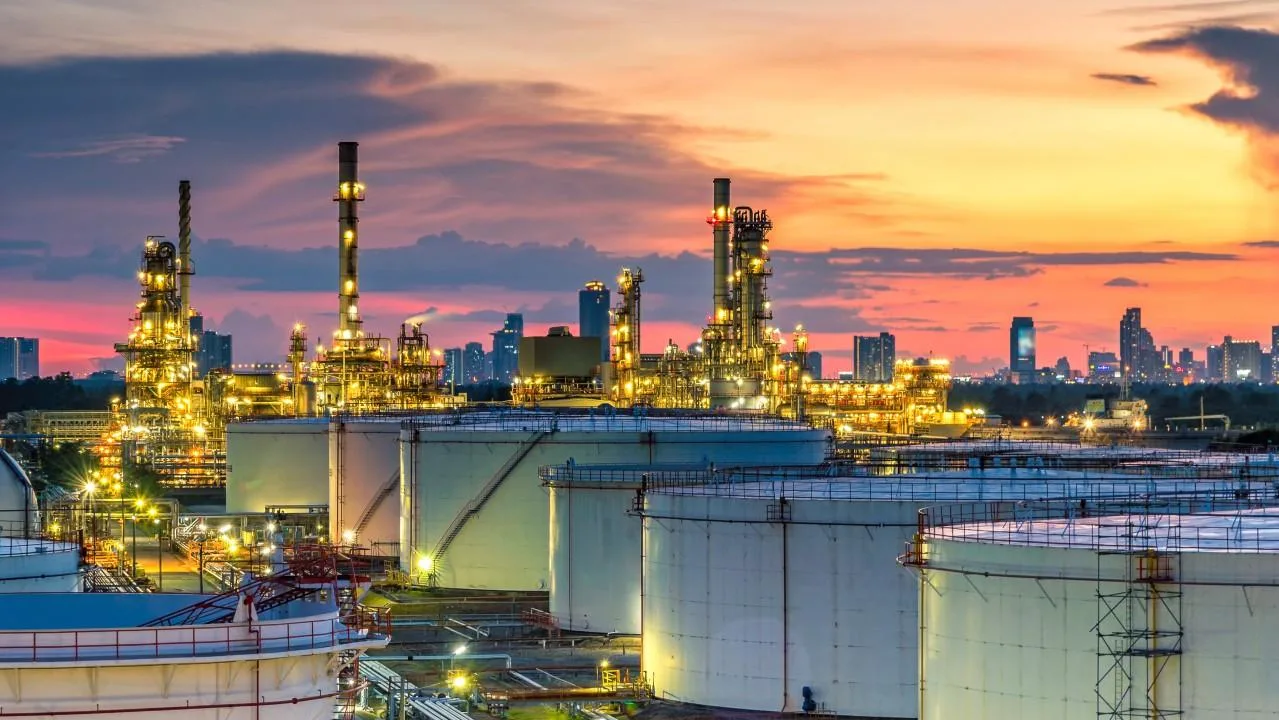
Global oil prices declined sharply after US President Donald Trump said American and Iranian representatives had held “very good” and “very productive” talks at the United Nations, raising hopes that diplomacy could ease months of disruption to global energy supplies. The remarks, combined with Saudi Arabia’s restoration of a key oil pipeline, pushed crude prices to their lowest levels since early September.
International benchmark Brent crude fell below the symbolic $100 per barrel threshold, trading around $98.40, while US benchmark West Texas Intermediate (WTI) dropped to about $89.20 per barrel. The decline marked the sixth consecutive session of losses as investors began reducing the geopolitical risk premium that had driven prices above $100 during the Middle East conflict.
The market reaction followed Trump’s comments after a three-hour meeting between senior US and Iranian representatives on the sidelines of the 81st United Nations General Assembly in New York. Speaking to reporters, the president described the discussions as “very good” and “very productive,” adding that another meeting had already been scheduled in the near future.
The optimistic tone contrasted sharply with Trump’s earlier address to the UN General Assembly, where he warned that he faced a “big decision” over whether to negotiate with Iran or “annihilate the Islamic Republic.” While the rhetoric underscored continuing tensions, traders focused instead on the renewed diplomatic engagement as a potential pathway toward easing regional instability.
Another factor weighing on prices was the resumption of operations along Saudi Arabia’s East–West Pipeline, which transports crude to the Red Sea port of Yanbu. The pipeline had been shut down following drone attacks on Saudi oil infrastructure, disrupting exports and contributing to the earlier spike in global crude prices. Its gradual return has strengthened expectations that additional supply could reach international markets.
Energy analysts say the combination of improving supply and renewed diplomacy has shifted market sentiment away from fears of immediate escalation. However, they caution that significant uncertainties remain, particularly as negotiations between Washington and Tehran have yet to produce a formal agreement and security risks across the Gulf continue to threaten shipping routes.
Oil prices have been exceptionally volatile since conflict involving Iran, the United States and regional allies disrupted flows through the Strait of Hormuz and increased attacks on energy infrastructure across the Middle East. Those developments briefly sent Brent crude above $100 and reignited concerns over inflation and higher fuel costs worldwide.
For now, financial markets are treating diplomacy as the stronger signal. Whether the current price decline proves temporary or develops into a sustained trend will largely depend on the outcome of US-Iran negotiations and the stability of crude exports from one of the world’s most strategically important oil-producing regions.
More on Oil and Gas
Oil and Gas
Oil Nears $100 Per Barrel as Middle East Tensions Shake Global Markets
8 Sept 2026
Oil and Gas
Saudi Arabia Resumes Crude Flow Through Key Pipeline After Drone Strikes
23 Sept 2026
Oil and Gas
Crude at $100: Nigeria Set for Bigger Oil Earnings as Petrol Fears Grow
9 Sept 2026
Oil and Gas
Saudi Pipeline Outage Threatens Loss of 4% of Global Oil Output
14 Sept 2026
Oil and Gas
Dangote Refinery Hikes Petrol Price by ₦85 Per Litre
12 Sept 2026
You may also like
Oil and Gas
Bonny Light Nears $95 as Hormuz Crisis Keeps Oil Markets on Edge
17 Aug 2026
Oil and Gas
Nigeria’s Refined Petroleum Exports Surge to $3.94 Billion in Q2 2026
20 Sept 2026
Oil and Gas
OMV to Continue Austrian Hydrogen Project After Masdar Exit
19 Sept 2026
Oil and Gas
NNPC Launches Nigeria's First Self-Service Smart Filling Station, Targets 70 Nationwide
11 Sept 2026
Oil and Gas
Scorpio Drilling Unveils $28 Million Rig in Major Nigerian Upstream Investment
4 Sept 2026
Oil and Gas
19 Nigerian Oil Block Licences Face 2026 Expiry as NUPRC Tightens Acreage Rules
26 Aug 2026