
Nigeria’s Refined Petroleum Exports Surge to $3.94 Billion in Q2 2026
The sharp rise reflects the growing impact of domestic refining, with petroleum products becoming one of Nigeria’s fastest-growing export earners.
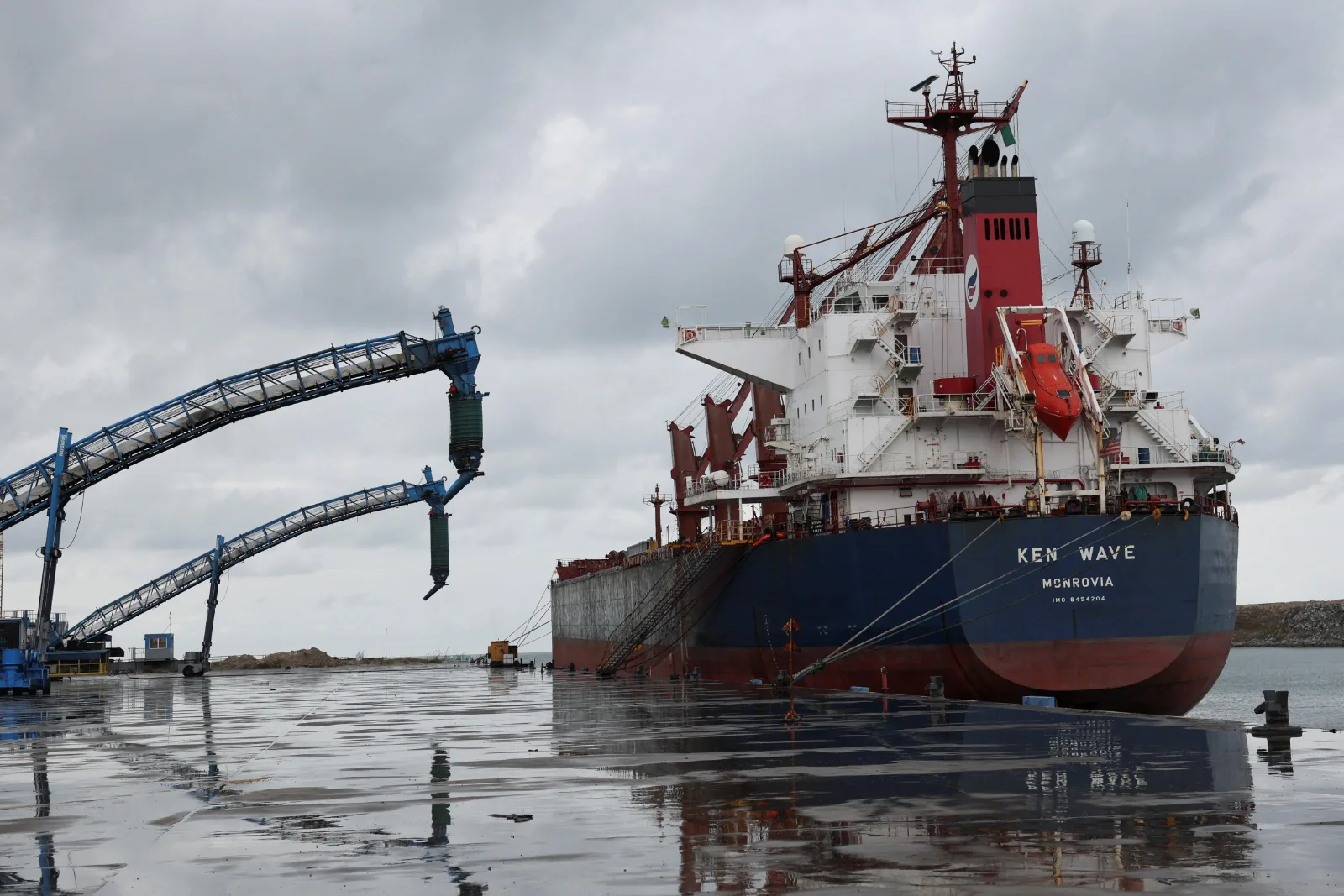
Nigeria’s exports of refined petroleum products climbed to $3.94 billion in the second quarter of 2026, marking a significant milestone for the country’s oil and gas industry as domestic refining capacity continues to reshape Nigeria’s export profile. The increase highlights the growing contribution of locally refined fuels to non-crude export earnings and signals a major shift in the nation’s downstream petroleum sector.
The latest trade figures indicate that refined petroleum products have emerged as one of Nigeria’s strongest export categories, driven largely by expanding local refining operations, particularly the Dangote Petroleum Refinery, which has emerged as the country’s largest refining facility. Industry analysts say the surge demonstrates the country’s gradual transition from being predominantly an exporter of crude oil to becoming an increasingly important supplier of value-added petroleum products to regional and international markets.
The improvement comes as Nigeria’s refining landscape undergoes its biggest transformation in decades. Increased production of petrol, diesel, aviation fuel and other refined products has reduced reliance on imported fuel while creating new export opportunities across West Africa and beyond.
Economists say exporting refined products generates greater economic value than shipping crude oil alone because more of the processing, employment and industrial activity occurs within Nigeria before the products reach international buyers.
The growth in refined petroleum exports is expected to strengthen Nigeria’s foreign exchange earnings at a time when policymakers are seeking to diversify export revenue and improve the balance of trade. Higher domestic refining capacity also has the potential to support manufacturing, logistics and shipping industries linked to the downstream energy sector.
Energy analysts caution, however, that sustaining the momentum will depend on consistent crude supply to local refineries, efficient pipeline infrastructure, stable energy policies and continued investment in refining and distribution networks. These factors will be critical if Nigeria is to consolidate its position as a regional refining hub.
For decades, Nigeria’s economy has depended heavily on crude oil exports, leaving the country vulnerable to fluctuations in global commodity prices. The rise in refined petroleum exports suggests a gradual evolution toward exporting higher-value products rather than raw resources, a development many industry observers view as strategically important for long-term industrial growth.
The $3.94 billion export performance in the second quarter is therefore more than a trade statistic. It represents a broader shift in Nigeria’s energy economy, one where domestic refining is beginning to translate into stronger export earnings, greater industrial capacity and a more diversified petroleum value chain.
More on Oil and Gas

Oil and Gas
Axxela Reaches Dual Milestone, Reinforcing Leadership in Nigeria's Energy Industry
3 Aug 2026

Oil and Gas
Nigeria’s $50bn Deepwater Bet: NNPC Says Tax Reform Will Unlock New Oil Investment
14 Aug 2026
Oil and Gas
Dangote Refinery Hikes Petrol Price by ₦85 Per Litre
12 Sept 2026
Oil and Gas
NNPC Launches Nigeria's First Self-Service Smart Filling Station, Targets 70 Nationwide
11 Sept 2026

Oil and Gas
Crude at $100: Nigeria Set for Bigger Oil Earnings as Petrol Fears Grow
9 Sept 2026
You may also like
Oil and Gas
19 Nigerian Oil Block Licences Face 2026 Expiry as NUPRC Tightens Acreage Rules
26 Aug 2026

Oil and Gas
Ghana Eyes Nigeria Electricity Market as Accra Pushes West African Energy Hub Ambition
22 Aug 2026
Oil and Gas
OMV to Continue Austrian Hydrogen Project After Masdar Exit
19 Sept 2026
Oil and Gas
Saudi Pipeline Outage Threatens Loss of 4% of Global Oil Output
14 Sept 2026

Oil and Gas
Oil Nears $100 Per Barrel as Middle East Tensions Shake Global Markets
8 Sept 2026
Oil and Gas
Scorpio Drilling Unveils $28 Million Rig in Major Nigerian Upstream Investment
4 Sept 2026