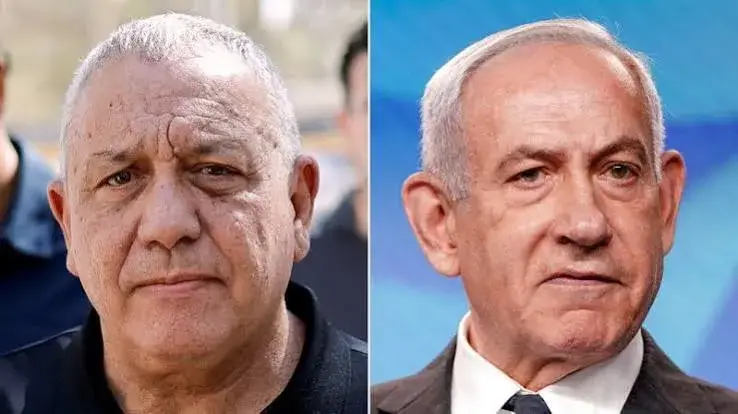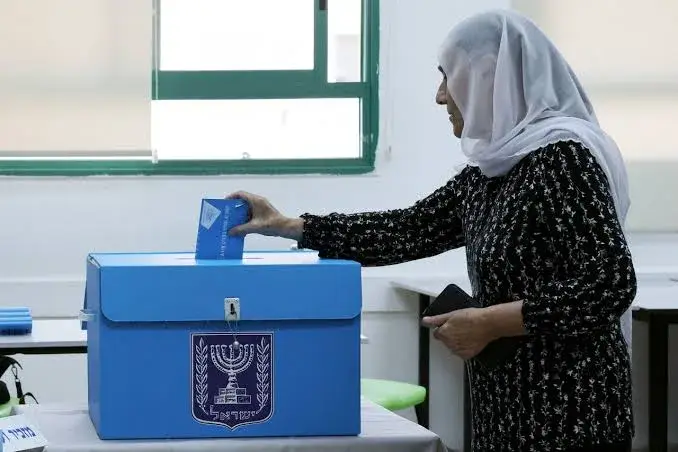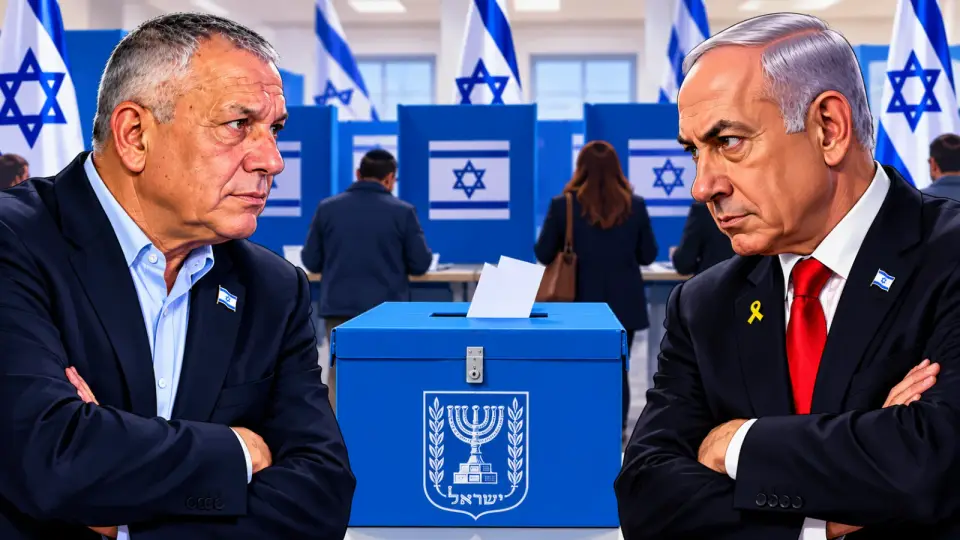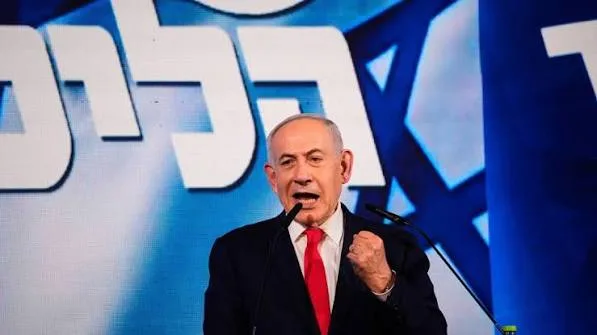
Final vote tallies confirm there is no clear winner in Israel's national election, plunging the country into political uncertainty as Prime Minister Benjamin Netanyahu launched unverified claims that the election was "stolen."
Official tallies from the Central Elections Committee show Netanyahu’s right-wing and religious coalition capturing 53 seats in the 120-seat Knesset, well short of the 61 seats required to govern. The main opposition bloc, led by Yashar party leader Gadi Eisenkot, secured 48 seats, while Arab-majority lists won a combined 19 seats.
Facing the loss of his parliamentary majority, Netanyahu’s Likud party claimed that mass fraud in Arab communities distorted the final outcome, setting off intense political controversy as the prime minister fights for his political survival.
Likud Claims Election Fraud While Police Find No Evidence
In public statements issued as counting concluded, Likud accused Arab-led parties of engaging in widespread voter bribery, intimidation, and unlawful ballot manipulation to drive historic turnout.
Israel Police publicly rejected the claims on Thursday, stating there is no investigative or intelligence evidence indicating widespread electoral fraud. Law enforcement officials noted that election day proceeded with only isolated, minor incidents and that overall voting integrity remained consistent with prior elections.
Arab party leaders strongly denied any wrongdoing, calling the accusations an attempt to delegitimize lawful democratic participation and disenfranchise Arab citizens.
Central Elections Committee Refers Foreign Funding Suspicions
The post-vote dispute intensified after Central Elections Committee chairman Justice Noam Sohlberg asked Israel's internal security agency, the Shin Bet, to examine separate intelligence regarding potential foreign funding.
The inquiry centers on whether illicit funds from foreign entities were channeled into campaign operations. The Shin Bet clarified that its preliminary probe is limited and ongoing, cautioning political actors not to use an unfinished inquiry to cast doubt on lawful voters.
Opposition figures accused Netanyahu of weaponizing the inquiry to prevent election certification or pressure centrist factions away from negotiating with Arab-majority parties.
High Stakes and Coalitional Deadlock
With neither major camp holding a clear mathematical path to 61 seats, President Isaac Herzog will begin mandatory consultations with party delegations next week before issuing a mandate to form a cabinet.
Eisenkot and other opposition figures warned against any effort to delay swearing in the newly elected Knesset, urging adherence to statutory democratic timelines.
As coalition talks begin, Netanyahu remains caretaker prime minister, navigating the most contested political fight of his career amid a deeply divided electorate.