Nigeria is preparing to begin one of its most ambitious digital infrastructure projects, with the Federal Government set to commence the rollout of a 90,000-kilometre fibre-optic network across the country within the next few weeks.
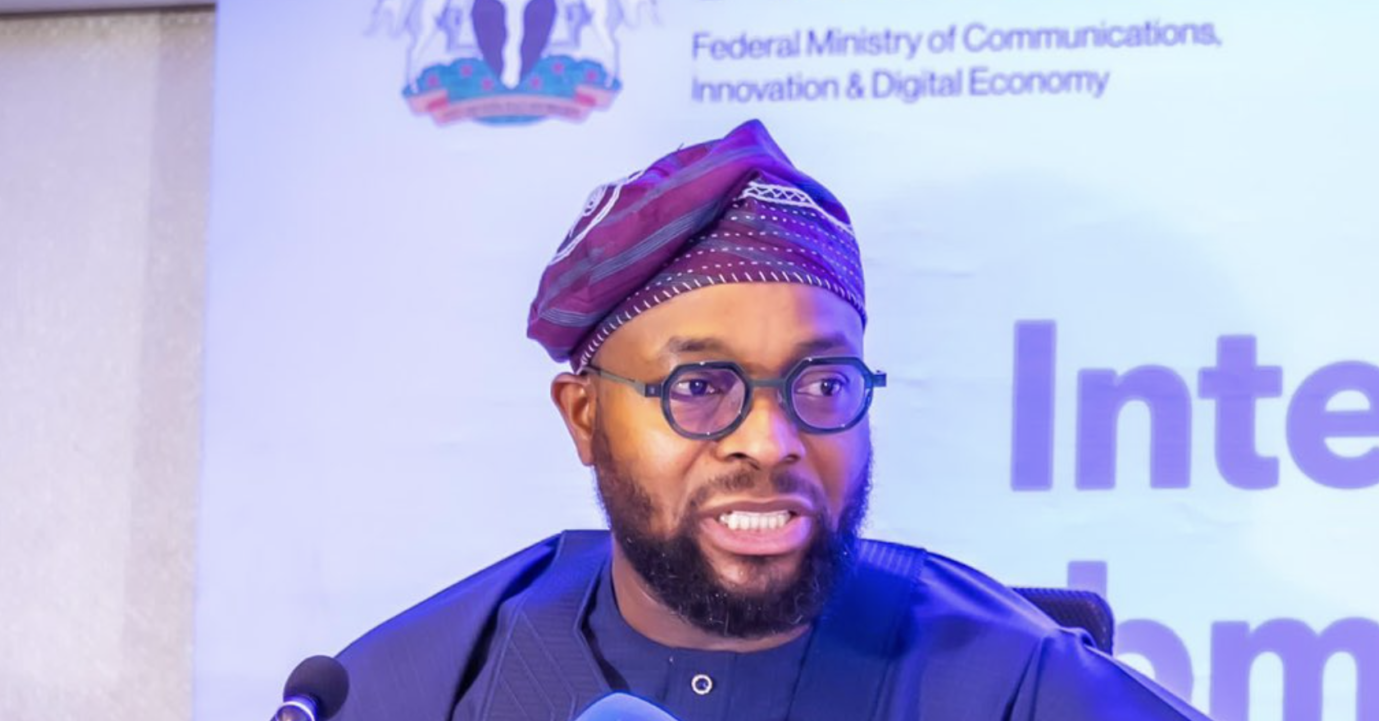
Minister of Communications, Innovation and Digital Economy Bosun Tijani disclosed the development after briefing President Bola Ahmed Tinubu on the progress of major digital transformation projects being implemented by the ministry. He said the resource mobilisation and contractual processes for the fibre project had been completed, clearing the way for physical deployment.
The project is designed to extend fibre infrastructure across every geopolitical zone, state, local government area and ward, with the government targeting a major improvement in the reach and quality of broadband connectivity.
Tijani described the rollout as a project capable of transforming Nigeria's digital landscape, saying Nigerians would begin seeing deployment activity across the country once the construction phase gets underway.
The initiative is being developed under Project BRIDGE, a government-backed framework established to deploy at least 90,000 kilometres of fibre-optic cable as part of Nigeria's core digital infrastructure. The Federal Ministry of Communications, Innovation and Digital Economy says the project is intended to create a stronger national broadband backbone and support the country's growing digital economy.
For millions of Nigerians, the significance of the project goes beyond faster internet.
Reliable broadband has become increasingly important to education, healthcare, banking, e-commerce, remote employment, entertainment and government services. Expanding fibre coverage into communities that currently depend heavily on slower or less reliable connections could therefore open new opportunities for individuals and businesses that have been constrained by poor connectivity.
The government is also moving on another front of the connectivity gap.
Tijani said approximately 3,700 telecommunications towers are expected to begin deployment from October, with the project targeting more than 20 million Nigerians living in communities without adequate telecommunications coverage. Together, the fibre network and new towers are intended to address both the backbone infrastructure problem and the last-mile connectivity challenge.
The fibre project has attracted international backing as well. The European Union committed €22 million in grant funding earlier this year to support Nigeria's nationwide fibre expansion under Project BRIDGE, with the funding expected to pass through the European Bank for Reconstruction and Development before reaching the federal ministry.
The scale of the proposed network is significant for a country where internet access has become central to economic activity. Nigeria has one of Africa's largest digital populations, with technology-driven businesses, fintech companies, online education providers and digital creators increasingly dependent on reliable connectivity.
For small businesses, better broadband could make it easier to sell products online, receive digital payments, communicate with customers and access cloud-based tools. For larger companies, a stronger fibre backbone could improve the reliability of digital operations and support greater investment in data centres, cloud services and other technology infrastructure.
The rollout could also become increasingly important as artificial intelligence enters more areas of the economy.
AI-powered education, healthcare, financial services and business applications require dependable connectivity. Without sufficient digital infrastructure, much of the economic potential associated with AI and other emerging technologies risks remaining concentrated in major urban centres.
But the size of the project also makes execution critical.
Laying 90,000 kilometres of fibre across a country as geographically diverse as Nigeria will involve significant logistical, technical and maintenance challenges. Protecting infrastructure from vandalism, ensuring reliable electricity for network equipment, securing rights of way and maintaining the cables after deployment will all be essential to ensuring that the investment produces lasting results.
The government has already taken steps to strengthen the policy environment around digital infrastructure. Tijani pointed to reforms including the designation of digital infrastructure as Critical National Infrastructure, telecom tariff adjustments and tax harmonisation as measures intended to support the growth of the communications sector. He said the sector's contribution to Nigeria's GDP has risen from between 16 and 18 percent when the administration began to close to 21 percent.
Another digital transformation project is also scheduled for October, when Nigeria plans to introduce a new alphanumeric postcode system designed to provide unique digital addresses for properties across the country. Government officials believe the system could improve logistics, e-commerce, emergency response and public service delivery.
Taken together, the projects point to a broader attempt to build the infrastructure needed for a more digitally connected Nigerian economy.
For FollowGlobalTrends, however, the real significance of the 90,000-kilometre fibre rollout will ultimately be measured on the ground, not by the size of the announcement, but by whether Nigerians in cities, towns and underserved communities actually experience faster, more reliable and more affordable connectivity.
If successfully delivered, the project could change how millions of Nigerians work, learn, trade and communicate.
Nigeria is preparing to lay the cables. The bigger challenge will be turning those kilometres of fibre into meaningful digital opportunity.