
Nearly 30 Years After Tupac’s Death, Duane ‘Keffe D’ Davis Gets Life Sentence
Nearly 30 years after the rap icon was fatally shot in Las Vegas, Duane “Keffe D” Davis has been sentenced following his conviction for orchestrating the killing.
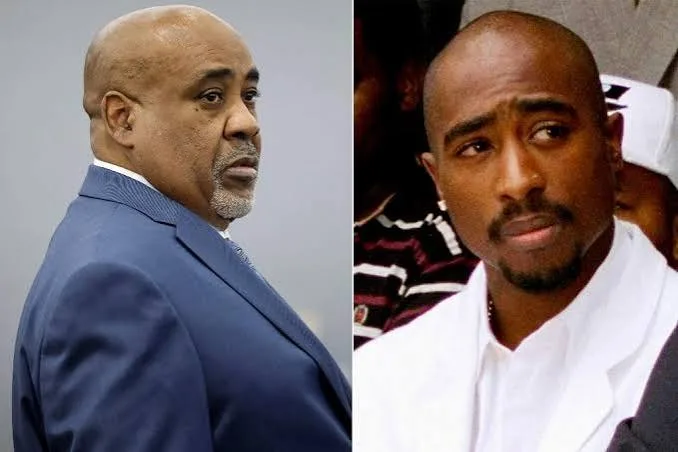
Duane “Keffe D” Davis, the former gang leader convicted of orchestrating the murder of hip-hop legend Tupac Shakur, has been sentenced to 40 years to life in prison, bringing a major chapter in one of music’s most notorious unsolved killings to a close. A Nevada judge handed down the sentence on Tuesday, October 13, after a jury found Davis guilty of first-degree murder in August 2026. The 63-year-old received two consecutive prison terms of 20 years to life: one for the murder and another for the use of a deadly weapon. He will receive credit for time already served, according to CBS News and Reuters.
During the sentencing hearing in Las Vegas, Judge Carli Kierny stressed the lasting consequences of taking Shakur’s life, noting that the rapper had been taken from his family and deprived of his future. Shakur’s sister, Sekyiwa Shakur, also addressed the court, reflecting on her brother’s potential and the enduring pain of his death.
The case dates back to September 7, 1996, when Shakur was shot in a drive-by attack near the Las Vegas Strip. He died in hospital six days later, aged 25. His killing became one of the most closely scrutinized cases in hip-hop history, amid the intense East Coast–West Coast rap rivalry of the 1990s.
Prosecutors argued that Davis helped organize the attack as retaliation for an earlier altercation at a casino involving Shakur’s entourage and Davis’ nephew, Orlando Anderson. According to the prosecution’s account, Davis helped secure the weapon and passed it to associates in the vehicle. Davis was not accused of being the gunman who fired the fatal shots.
Investigators eventually focused on Davis after he discussed his involvement in interviews and in a 2019 memoir. Prosecutors used those statements as part of their case, while his defence challenged the prosecution’s reliance on his past accounts and argued that there was no physical evidence directly linking him to the killing. Davis has said he intends to appeal his conviction.
Shakur’s death left a lasting mark on music and popular culture. Known for combining commercially successful rap with work exploring poverty, racism, violence and social inequality, he became one of hip-hop’s most influential figures. His legacy has continued to grow in the decades since his death, with his music and public image reaching audiences well beyond the genre.
Davis’ sentencing offers a measure of legal accountability in a case that remained unresolved for nearly three decades. However, it does not erase the questions and controversies surrounding the killing, nor does it restore the life and career cut short at 25. The case is a reminder of how violence tied to personal and gang rivalries can leave consequences that extend across families, communities and generations, and how long the pursuit of justice can take when a major crime remains unsolved.
More on Entertainment
Entertainment
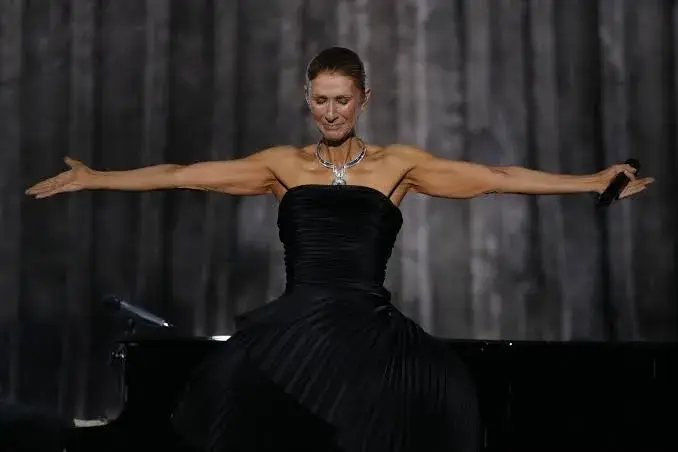
Six Years Later, Céline Dion Returns with Powerful Paris Performance
13 Sept 2026
Entertainment
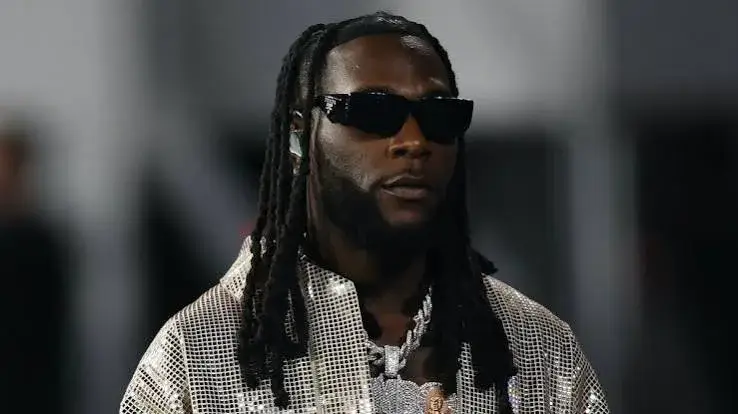
Burna Boy Joins Dangote, Okonjo-Iweala on Forbes Africa’s 15 Icons List
12 Oct 2026

Entertainment
Autopsy Reveals Hayden Panettiere Died From Fentanyl, Xanax Overdose
24 Sept 2026
Entertainment
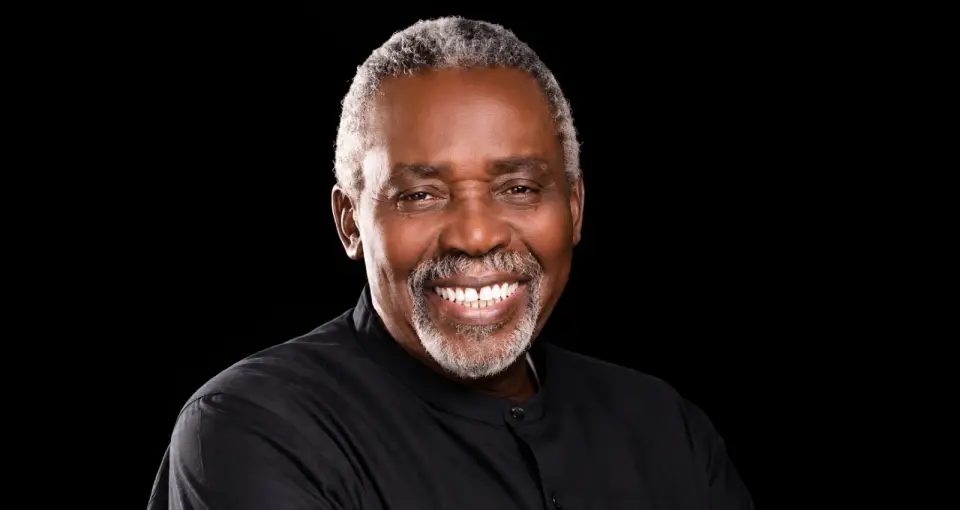
Nollywood Icon Olu Jacobs Dies at 84
16 Sept 2026

Entertainment
Patience Ozokwo Celebrates 68th Birthday with Gratitude to God and Fans
15 Sept 2026
Partner with Follow Global Trends
Display banners, sponsored stories and founder spotlights.
You may also like
Entertainment
Hollywood Mourns RJ Mitte as ‘Breaking Bad’ Star Dies at 34
13 Oct 2026
Entertainment
Brandy Headlines Flytime’s 2026 Detty December R&B Concert in Lagos
12 Oct 2026
Entertainment
Dan Sur: The Rapper Who Replaced His Hair With Gold Chains
11 Oct 2026

Entertainment
Media Power Couple Reuben and Kike Abati Debut Collaborative Podcast in Lagos
11 Oct 2026
Entertainment
Nigeria Returns to Oscars Race With Damilola Orimogunje’s ‘Dear Ajayi’
6 Oct 2026
Entertainment
Skydance Is Born as Paramount Completes $110 Billion Warner Bros. Acquisition
6 Oct 2026