Moove Exits Nigeria, Transfers ₦35 Billion Worth of Vehicles to Customers
Lagos-founded mobility company Moove is leaving Nigeria after six years, transferring about ₦35 billion worth of vehicles to eligible customers as it winds down operations.
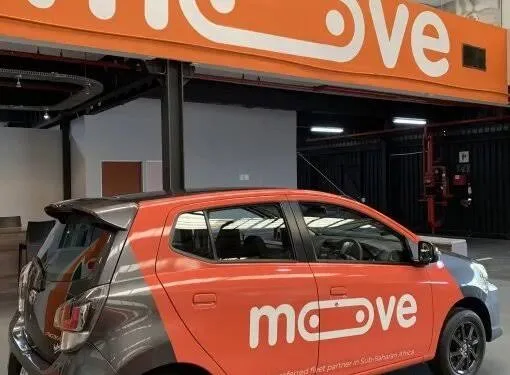
Lagos-founded mobility company Moove is ending its operations in Nigeria after six years, but is leaving behind a major parting gesture: eligible customers will take full ownership of vehicles worth approximately ₦35 billion, with remaining scheduled payments to the company waived from October 1, 2026.
Moove announced the decision on Thursday under what it calls its “Thank You Nigeria” initiative, saying the arrangement is intended to recognize the customers, employees and partners who helped build the company from a small Lagos startup into an international mobility business.
The company said the eligible customers currently operating Moove-financed vehicles will receive ownership without further payment to Moove for the vehicles themselves. It will work directly with affected customers and employees as it completes the transfer and closes its Nigerian operations.
Moove co-founder and co-CEO Ladi Delano subsequently provided a clearer explanation for the exit in an interview with BusinessDay. He said Uber’s departure from Nigeria materially changed Moove’s operating environment, because Uber had been the principal platform supporting Moove’s Nigerian model at scale.
After reviewing its alternatives and the economics of continuing in the country, Delano said Moove concluded that it could no longer sustain its Nigerian operating model. “That was our decision, and we take responsibility for it,” he said.
The development follows Uber’s withdrawal from Nigeria, announced about a month earlier after 12 years in the country. The two businesses had a close commercial relationship, with Uber also leading Moove’s $100 million Series B funding round in 2024, which valued the mobility company at about $750 million at the time.
Moove was founded in Lagos in 2020 by Delano and Jide Odunsi after the founders identified a financing gap among mobility entrepreneurs who wanted to earn through ride-hailing but struggled to obtain vehicles. The company started with just 76 vehicles in Lagos and built a Rental and Drive-to-Own model designed to give drivers access to vehicles while creating a pathway toward ownership.
According to Moove, more than 9,000 customers have used its Drive-to-Own and rental products in Nigeria since its launch. The company estimates that those customers generated approximately ₦57 billion in revenue through Moove-financed vehicles, supporting drivers, families and businesses in the process.
The company has since expanded dramatically outside Nigeria. Moove says it now operates approximately 42,000 vehicles across 29 cities globally, making its Nigerian exit a significant change for the company but not an end to its international operations.
For Nigerian customers, the most immediate consequence is markedly different from a conventional business shutdown. Rather than repossessing financed vehicles or requiring drivers to complete their original repayment schedules, Moove is bringing forward ownership for eligible mobility entrepreneurs.
Delano said customers must meet the relevant eligibility requirements and settle outstanding remittances up to October 1 before the transfer is completed. From that date, remaining scheduled vehicle payments to Moove are being waived for eligible customers.
Moove is also giving free cars to its Nigerian employees as part of the exit arrangements. The company described the decision as a gesture of appreciation to staff who helped build its Nigerian business from its earliest stage.
The exact number of vehicles covered by the ₦35 billion transfer has not been publicly disclosed, nor has Moove provided a detailed breakdown of the vehicles' individual values. The company has said it will engage directly with affected customers as the ownership process is completed.
The exit is another significant development in Nigeria's rapidly changing ride-hailing and mobility market. Uber's withdrawal, followed by Moove's decision to close its Nigerian operations, highlights how closely interconnected vehicle financing, ride-hailing platforms and driver economics have become.
Moove's experience also illustrates the challenge facing mobility businesses that depend heavily on a particular platform or revenue ecosystem. Its Nigerian model was built around helping drivers finance vehicles for mobility work, but the departure of a major platform changed the demand and revenue environment sufficiently for the company to determine that continuing was no longer commercially viable.
For the drivers receiving the vehicles, however, the company's exit could mark the beginning of a different chapter. Vehicles that were once part of a financing arrangement will become assets they can continue using after Moove's departure, potentially allowing them to maintain their livelihoods independently of the company.
The broader significance is that Moove's Nigerian story is ending in an unusual way. A company created to help Nigerian mobility entrepreneurs gain access to vehicles is leaving the market while transferring roughly ₦35 billion in those assets to the people who operate them. The decision reflects the difficult economics that followed Uber's withdrawal, but it also means Moove's legacy in Nigeria will not simply be a closed business: thousands of mobility entrepreneurs could leave the relationship owning vehicles that may continue generating income long after the company itself has moved on.
More on Business
Business
Amazon AWS to Invest More Than $1 Billion in US Data Centre Communities Over Five Years
3 Oct 2026

Business
Nigeria’s Biggest Banks Ease FX Pressure With Higher Naira Card Dollar Limits
7 Sept 2026
Business
Germany Brings Rheinland-Pfalz Wines to Lagos in Push for West African Market
30 Sept 2026
Business
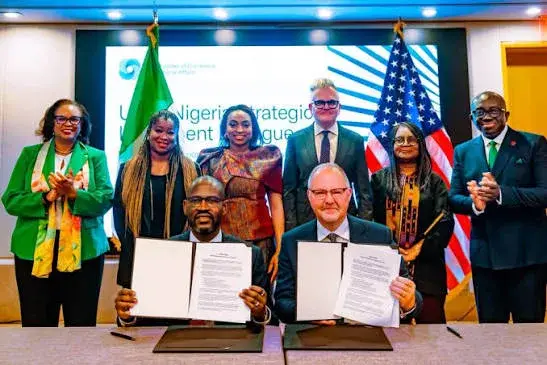
Nigeria Seals Three US Mining Investment Deals Across Technology, Energy and Security
28 Sept 2026
Business
Dangote Refinery Pushes Nigeria’s Petrol Imports Down as Local Supply Hits 71%
26 Sept 2026
You may also like
Business
Dangote Refinery Strengthens Balance Sheet as Debt Falls to ₦7.9tn
10 Sept 2026

Business
Elon Musk’s Fortune Jumps $65 Billion in One Day to Hit $1.04 Trillion
7 Oct 2026
Business
CBN Cuts MPR to 23% From 26.5% as MPC Signals Major Policy Shift
22 Sept 2026
Business
Dangote Refinery Cuts Petrol Price to ₦1,325 Per Litre
22 Sept 2026
Business
Peter Obi Endorses Ongoing Dangote Refinery IPO, Calls for Citizen Investment
18 Sept 2026
Business
Nigerian Breweries Goes Debt-Free as Cash Generation Jumps 264% in H1
9 Sept 2026