
Elon Musk’s Fortune Jumps $65 Billion in One Day to Hit $1.04 Trillion
Elon Musk’s estimated fortune has climbed back above $1 trillion after a powerful rally in SpaceX and Tesla shares.
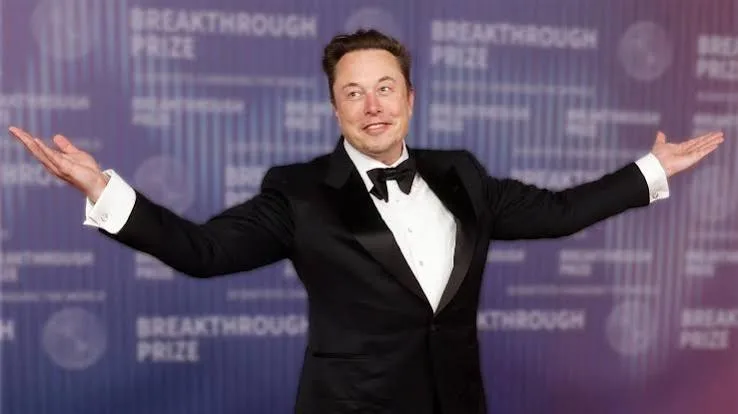
Elon Musk is a trillionaire again, at least on paper, after rising valuations at SpaceX and Tesla pushed the world's richest person's estimated fortune back above the extraordinary $1 trillion threshold.
Musk's net worth jumped by about $65 billion on Monday, October 5, to $1.04 trillion, according to the Bloomberg Billionaires Index. The increase marked his return to trillionaire status for the first time in roughly three months, highlighting the enormous impact that relatively modest movements in his companies' share prices can have on his personal wealth.
The biggest boost came from SpaceX. Shares of the rocket, satellite and technology company climbed 7.6% on Monday to $171.09, their highest level since June. SpaceX shares have gained about 13% since the beginning of October, while Tesla has risen about 6.7% over the same period.
Together, Musk's holdings in SpaceX and Tesla account for more than 98% of his estimated net worth, according to Bloomberg. That concentration means his position above or below the trillion-dollar mark can shift quickly as investors reassess the two companies.
Musk first crossed $1 trillion in June after SpaceX's record-breaking stock-market debut. The company began trading after an initial public offering priced at $135 per share, with its market value quickly surging beyond $2 trillion during its first day of trading. Musk owned about 42% of the company around the time of the listing.
His fortune subsequently reached an estimated peak of about $1.32 trillion before falling sharply as SpaceX and Tesla shares retreated. By late July, more than $600 billion had been erased from that peak, demonstrating just how closely the headline value of Musk's wealth is tied to financial markets rather than cash or readily spendable assets.
The latest recovery has been supported by renewed investor optimism around both companies.
SpaceX received another boost after its giant Starship rocket reached orbit for the first time on September 28, deploying Starlink satellites during the flight before the mission ended earlier than planned. The milestone was closely watched because Starship is central to SpaceX's ambitions in satellite deployment, deep-space missions and the expansion of its launch business.
Investor sentiment strengthened further after Morgan Stanley analysts described SpaceX as an attractively valued way of gaining exposure to the space and artificial-intelligence sectors. The company's shares have now rebounded significantly from their August lows.
Tesla, meanwhile, provided another source of momentum after reporting stronger-than-expected third-quarter vehicle deliveries.
The electric-vehicle manufacturer delivered 486,532 vehicles during the third quarter of 2026, comfortably exceeding analysts' average expectation of about 456,900. The result strengthened expectations that Tesla could return to annual delivery growth following two consecutive years of declines.
Tesla's valuation also increasingly reflects investor expectations for businesses beyond electric vehicles. Musk has positioned autonomous driving, robotaxis, artificial intelligence and the Optimus humanoid robot as major potential sources of future growth, even as the company's automotive operations remain its core business.
Musk's trillionaire status nevertheless requires some context. The Bloomberg Billionaires Index is estimating the market value of his assets after applying its methodology to his company holdings and other investments. It does not mean Musk has $1.04 trillion sitting in cash, nor would he necessarily be able to sell his holdings at their quoted value without affecting the share prices.
That distinction matters particularly in Musk's case because such a large proportion of his wealth is concentrated in companies he leads. A strong rally can add tens of billions of dollars to his estimated fortune in a single day, while a market downturn can remove equally extraordinary amounts without Musk buying or selling anything.
For now, however, the rebound has restored a milestone no other individual has reached. More than simply illustrating Musk's personal wealth, his return above $1 trillion shows how dramatically the market's enthusiasm for space technology, electric vehicles, autonomous systems and artificial intelligence has concentrated financial value around a small group of technology companies — and how quickly that value can rise or disappear when investor expectations change.
More on Business

Business
Amazon AWS to Invest More Than $1 Billion in US Data Centre Communities Over Five Years
3 Oct 2026
Business
Nigerian Breweries Goes Debt-Free as Cash Generation Jumps 264% in H1
9 Sept 2026
Business
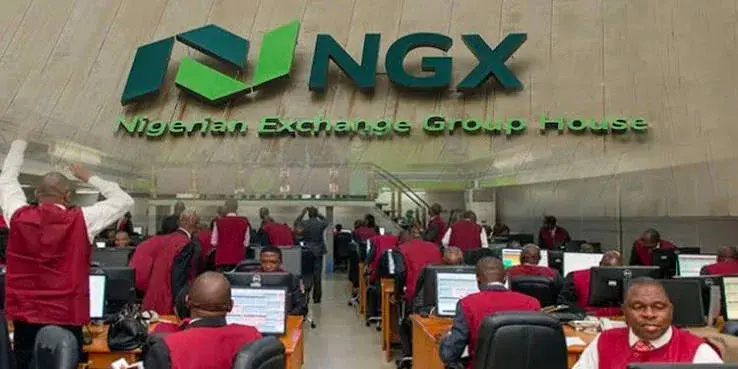
Banking Reforms and New Listings Drive NGX Towards Historic ₦300 Trillion Value
7 Sept 2026
Business
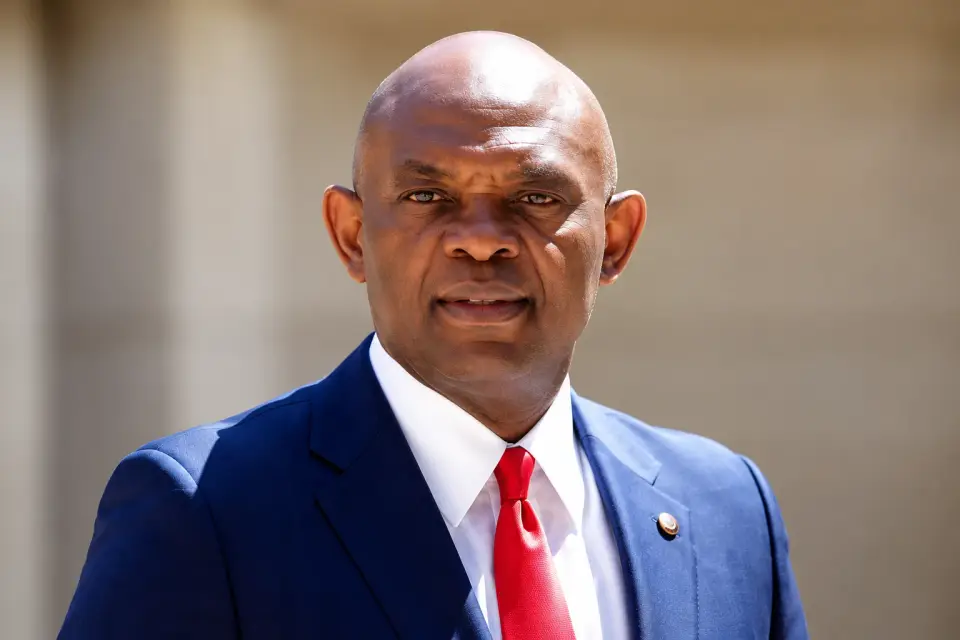
Tony Elumelu Expands Seplat Energy Stake With £53.2m Share Purchase
5 Oct 2026
Business
Dangote Refinery Strengthens Balance Sheet as Debt Falls to ₦7.9tn
10 Sept 2026
You may also like
Business
Sino Mart Set to Take Over Former Shoprite Space at Enugu’s Polo Park Mall
7 Oct 2026
Business
GM Sales Slow as U.S. EV Demand Weakens in Third Quarter
30 Sept 2026
Business
ORIS Signature Hotel Opens in Aba as Otti Pushes Investment Drive
30 Sept 2026
Business
Germany Brings Rheinland-Pfalz Wines to Lagos in Push for West African Market
30 Sept 2026

Business
Nigeria Seals Three US Mining Investment Deals Across Technology, Energy and Security
28 Sept 2026
Business
China Unveils Eight-Point Economic Consensus Following Xi’s Washington Visit
28 Sept 2026