Banking Reforms and New Listings Drive NGX Towards Historic ₦300 Trillion Value
Nigeria’s stock market is on course to exceed ₦300 trillion in market capitalization within the next year, driven by landmark listings, banking recapitalization and renewed investor confidence.
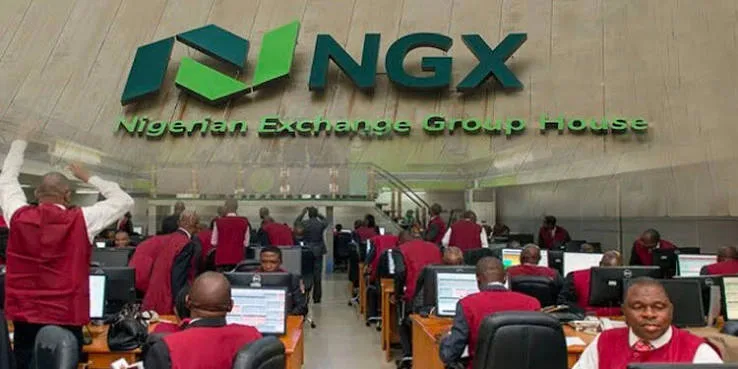
Nigeria’s equities market is poised for a historic expansion, with analysts projecting that the Nigerian Exchange (NGX) could more than double its market capitalization to over ₦300 trillion within the next 12 months as a wave of major listings reshapes the country’s capital market.
The optimistic outlook follows one of the strongest rallies in the NGX’s recent history, fuelled by robust corporate earnings, the ongoing recapitalization of commercial banks and growing domestic investor participation. Market operators say the next phase of growth will be driven less by rising share prices and more by the listing of some of Nigeria’s largest privately held companies.
At the centre of that transformation is the anticipated listing of Dangote Petroleum Refinery, which has received regulatory approval for what is expected to become Africa’s largest initial public offering. The IPO is valued at about ₦2.15 trillion and could significantly deepen the Nigerian market by introducing one of the continent’s most valuable industrial assets to public investors.
The refinery listing is expected to be followed by other strategic offerings across manufacturing, energy and financial services, creating a pipeline of large-cap companies that analysts believe could push total market value beyond the ₦300 trillion threshold. Capital market experts say such listings would improve liquidity, broaden investment opportunities and strengthen Nigeria’s position among Africa’s leading stock exchanges.
Investor sentiment has also been supported by banking reforms that require commercial lenders to raise fresh capital, prompting increased activity in the equities market. Combined with improved profitability among several blue-chip companies, the recapitalization exercise has attracted institutional investors seeking long-term exposure to Nigeria’s largest listed firms.
Despite the bullish outlook, analysts caution that sustaining the projected growth will depend on broader macroeconomic stability. Exchange rate management, inflation, interest rates and consistent regulatory policies are expected to remain key factors influencing both domestic and foreign investment flows into Nigerian equities.
For Nigeria’s economy, a ₦300 trillion stock market would represent more than a symbolic milestone. It would signal a deeper and more diversified capital market capable of mobilizing long-term financing for businesses, expanding wealth creation opportunities for investors and reinforcing the NGX’s ambition to become one of the most influential financial markets on the African continent.
More on Business

Business
Dangote Refinery Set for Historic Stock Market Debut at ₦525 Per Share
5 Sept 2026
Business
Dangote Refinery Pushes Nigeria’s Petrol Imports Down as Local Supply Hits 71%
26 Sept 2026

Business
Dangote Says Banks’ Systems Crashed Minutes After Refinery IPO Opened
21 Sept 2026

Business
Nigeria Seals Three US Mining Investment Deals Across Technology, Energy and Security
28 Sept 2026
Business
Dangote Refinery Strengthens Balance Sheet as Debt Falls to ₦7.9tn
10 Sept 2026
You may also like

Business
Nigeria’s Biggest Banks Ease FX Pressure With Higher Naira Card Dollar Limits
7 Sept 2026

Business
PZ Cussons Nigeria Profit Soars 348.7% to N45.17bn, Declares N2.50 Dividend
31 Aug 2026

Business
Nigeria, Canada Move to Deepen Trade Ties as Musawa Leads Delegation to Toronto
31 Aug 2026
Business
Davido, Dangote Take Refinery IPO Global With Times Square Billboard Campaign
24 Sept 2026
Business
Naira Rises to ₦1,375/$ in Parallel Market as Exchange Rate Gap Narrows
24 Sept 2026

Business
CBN Cuts MPR to 23% From 26.5% as MPC Signals Major Policy Shift
22 Sept 2026