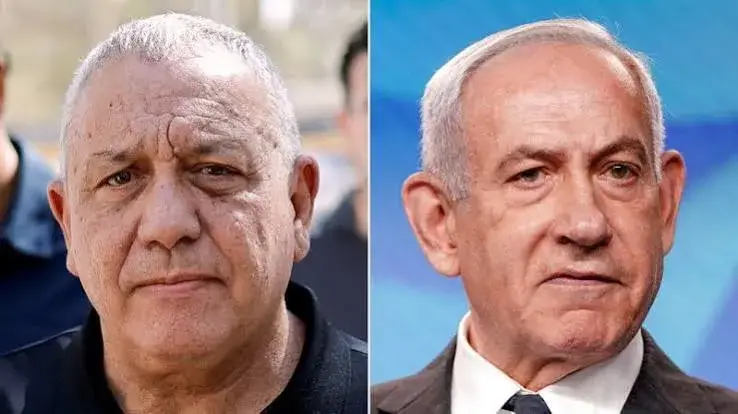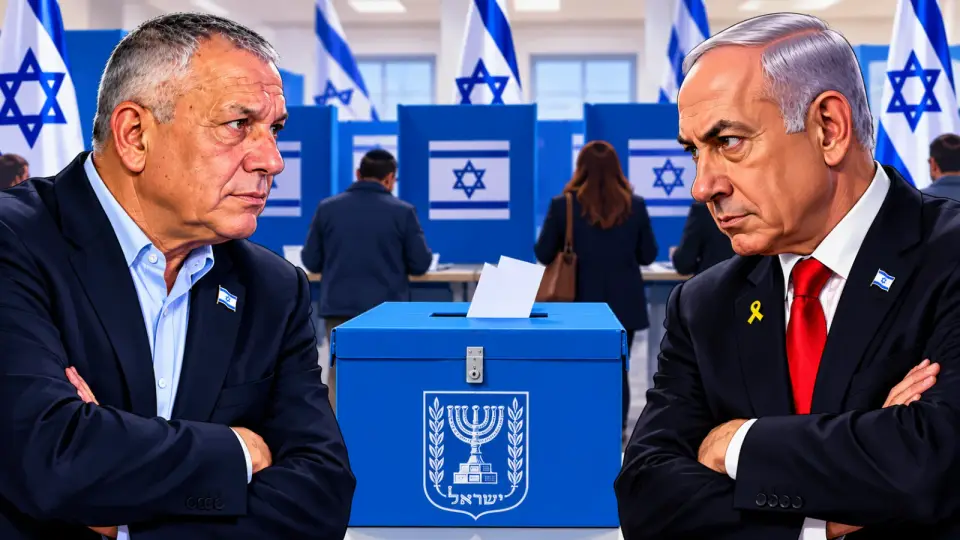
An official Israeli election results update released on Wednesday reveals deep political deadlock as ballot tallying nears completion. Neither Prime Minister Benjamin Netanyahu nor opposition leader Gadi Eisenkot has secured the 61-seat parliamentary threshold required to govern.
With more than 88 percent of regular polling ballots processed by the Central Elections Committee, Netanyahu's coalition stands at 53 seats. The Zionist opposition bloc led by Eisenkot's Yashar party trails with 48 seats across the 120-member Knesset.
The most dramatic development of the election is a record surge by Arab parties, who have captured 19 seats combined. The outcome leaves both major political camps without an obvious path to building a stable majority government.
Arab Parties Surge to Historic Kingmaker Position
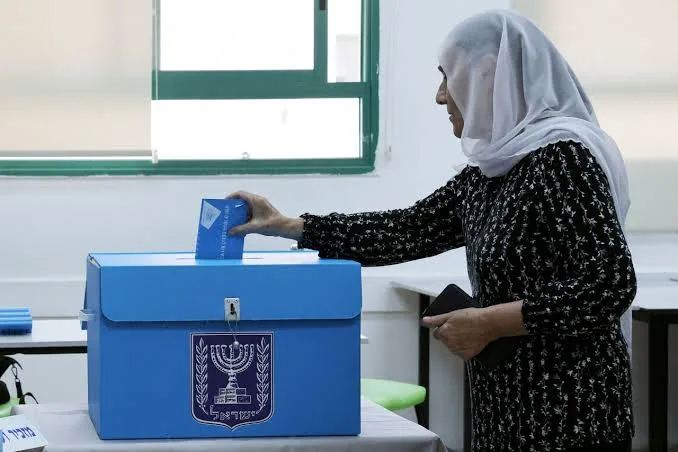
Arab voter participation rebounded sharply in Tuesday’s vote, delivering a historic high for minority representation in parliament. The Joint List secured 12 seats, while the Islamist Ra'am party won seven seats.
This combined 19-seat total shatters previous parliamentary records. While their numbers technically form an anti-Netanyahu majority, building a formal governing alliance presents severe political obstacles.
Mainstream opposition figures have historically resisted relying on non-Zionist parties to form a cabinet. If opposition leaders refuse to partner with them, the arithmetic could force prolonged negotiations, a broad national unity pact, or fresh elections.
Double Envelopes Hold Key to Final Thresholds
Election authorities confirmed that regular ballots from over 11,500 polling stations have been processed. Attention now turns to approximately 600,000 "double envelope" ballots cast by military personnel, hospital patients, diplomats, and prisoners.
These remaining ballots will be verified over the next 48 hours. Because military votes traditionally lean toward conservative parties, Likud officials hope the final tally will push their right-wing alliance closer to 61 seats.
Several smaller parties also hover near the strict 3.25 percent electoral threshold. A fractional swing could eliminate borderline factions or push new ones into the legislature, shifting the final seat distribution by several mandates.
Netanyahu Facing Heated Accusations and Scrutiny
Tensions flared on Wednesday as Prime Minister Netanyahu’s Likud party questioned voting patterns in Arab-majority districts. Likud released a statement alleging voting irregularities, but election administrators dismissed the claims as unsupported by evidence.
Meanwhile, street demonstrations emerged in Jerusalem, Tel Aviv, and Haifa. Hundreds of citizens gathered in public squares, urging party leaders to move past ideological divides and prevent another cycle of repeat elections.
President Isaac Herzog will begin official consultations with party leaders once the Central Elections Committee certifies the final tallies next week. He will then designate one candidate to attempt forming a government within 28 days.