
Ghana Says No to $18m Repatriation Bill, Reveals Why It Escaped South Africa’s Demand
Ghana avoided South Africa’s $18 million repatriation bill by covering the cost of bringing its nationals home, amid a growing dispute over repatriation expenses.
Ghana has avoided a multimillion-dollar bill South Africa is seeking from several African countries after Pretoria spent heavily repatriating foreign nationals amid a crackdown on undocumented migration and rising xenophobic tensions.
South Africa says it spent nearly R300 million (about $18 million) on the wider repatriation exercise, covering transportation, accommodation, food and other operational costs. The country is now seeking reimbursement from countries including Nigeria, Malawi, Ethiopia, Zimbabwe and Mozambique. Ghana, however, is not on the list.
The reason is simple: Ghana paid for the evacuation of its own citizens.
As anti-foreigner attacks intensified in parts of South Africa, Ghana's government launched an evacuation programme and financed the return of distressed nationals. More than 1,600 Ghanaians have since been brought home, with the government also providing support intended to help returnees rebuild their lives.
Ghana's Foreign Affairs Ministry has consequently rejected any suggestion that Accra owes Pretoria money for the evacuation. Officials say the repatriation was funded by the Ghanaian government and its partners rather than South Africa.
The decision came as Ghana faced its own painful consequences from the violence. In June, Bashiru Isak, a 40-year-old Ghanaian, was shot dead in Cape Town during unrest linked to anti-immigrant tensions. Ghana demanded an investigation and prosecution, while continuing efforts to bring vulnerable citizens home.
South Africa's repatriation operation has since become a major financial burden for Pretoria. Officials told Parliament that the programme expanded far beyond initial expectations, with tens of thousands of foreign nationals processed for return.
The dispute over the bill has now added a financial dimension to an already sensitive diplomatic issue. Countries whose citizens were repatriated through South African-funded arrangements are being asked to contribute to the cost, while Ghana's early decision to finance its own evacuation has effectively kept it outside that dispute.
There is a broader lesson in Ghana's response. The country faced the same difficult choice confronting governments across Africa during the crisis: protect citizens abroad while avoiding a diplomatic confrontation with the host country.
By taking responsibility for its own evacuation, Ghana managed to turn a painful episode into a demonstration of how governments can protect citizens overseas without leaving taxpayers to settle the bill later.
More on Africa
Africa
Ghana Rejects MTN’s GH¢20m Offer for Victims of South Africa Xenophobic Attacks
27 Aug 2026

Africa
Nigeria–South Africa Tensions Rise as Fani-Kayode Issues Strong Warning
13 Sept 2026
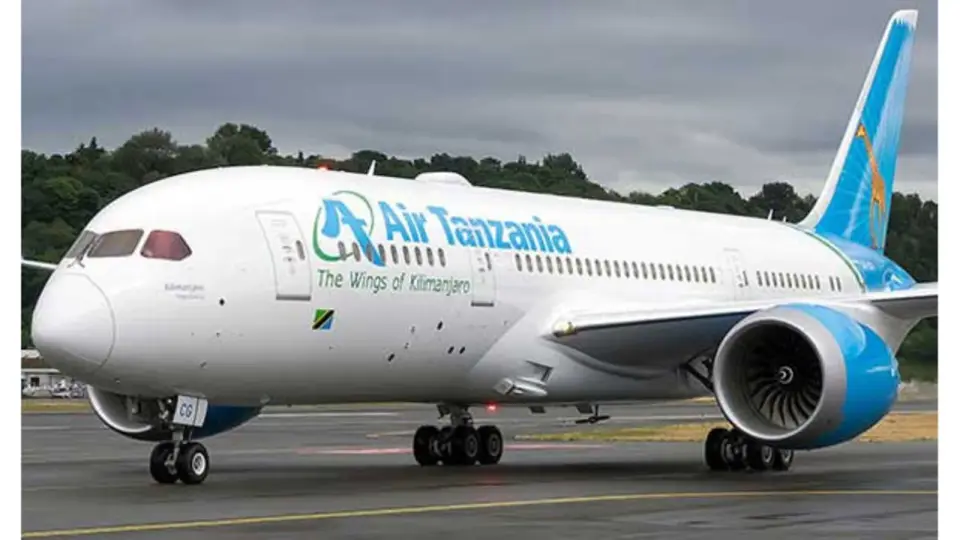
Africa
Tanzania to Bring Home 669 Citizens From South Africa Amid Xenophobia Fears
25 Aug 2026
Africa
Xenophobia: 1,695 Nigerians Evacuated from South Africa, Says Ambassador Ajayi Alexander
5 Sept 2026
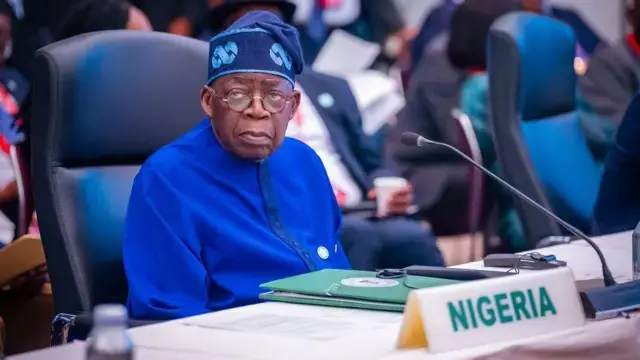
Africa
Nigeria Escalates South Africa Xenophobia Row to AU, Seeks Collective Action
31 Aug 2026
You may also like
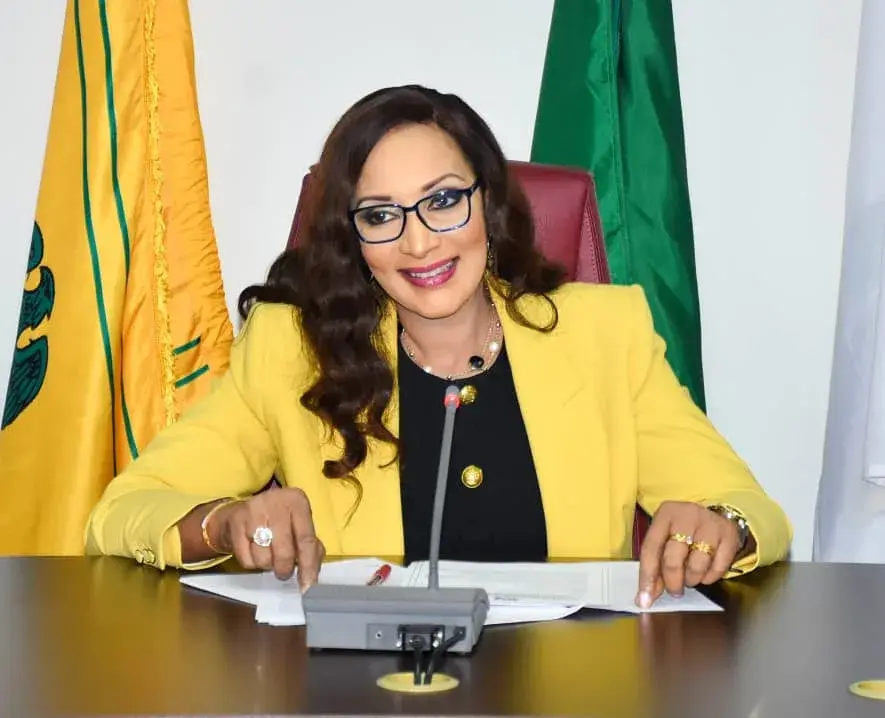
Africa
Another 65 Nigerians Head Home From South Africa Amid Xenophobia Concerns
26 Aug 2026
Africa
Nigerian Onion Traders Resume Ghana Exports After Trade Dispute Eases
25 Aug 2026
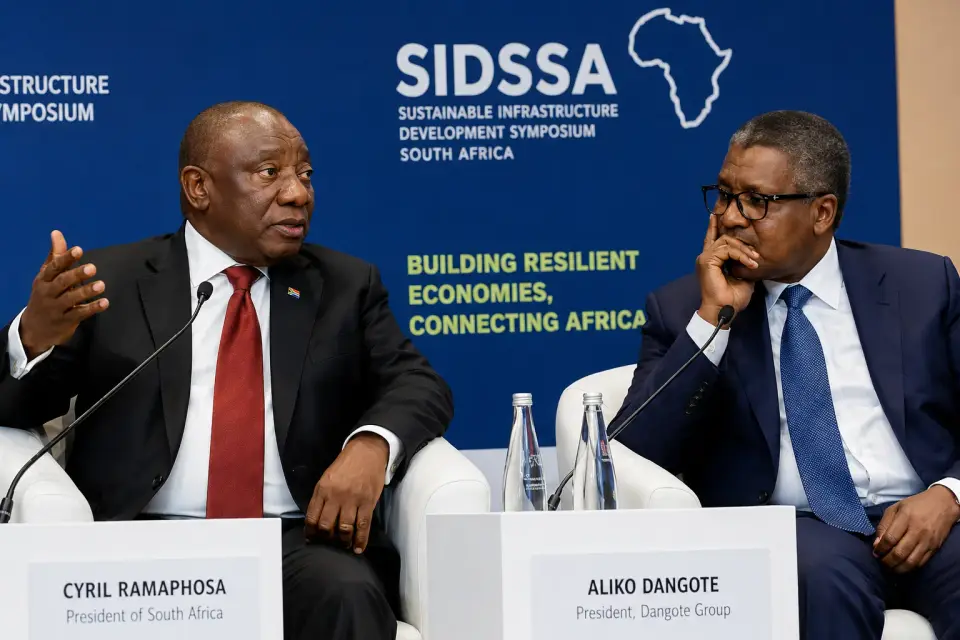
Africa
Africa's Financing Debate Heats up as Dangote Disputes Ramaphosa's Banking Claim
3 Sept 2026
Africa
Business Forum 2026: Mauritius Pitches Itself as Africa’s Financial Bridge
13 Sept 2026
Africa
Immigration Tensions Rise as South African Activists Issue September Ultimatum
11 Sept 2026
Africa
Uganda Welcomes Home King Oyo Nyimba for Final Burial After Historic Reign
6 Sept 2026