
Another 65 Nigerians Head Home From South Africa Amid Xenophobia Concerns
Another 65 Nigerians are expected in Lagos today after privately sponsored efforts helped citizens leave South Africa amid continuing concerns over anti-foreigner hostility.
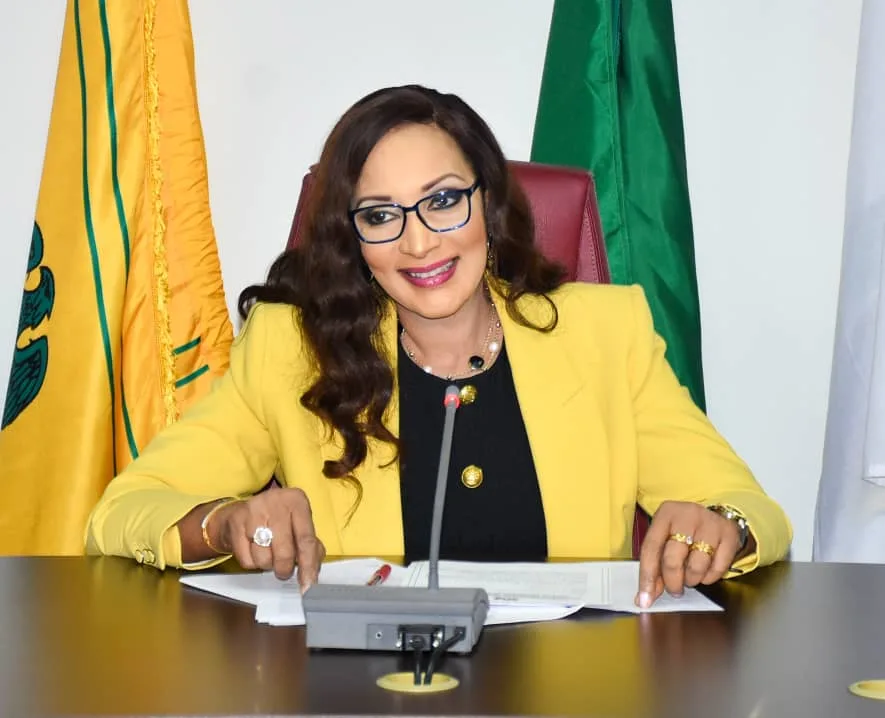
Another 65 Nigerians are expected to arrive in Lagos from South Africa today, as voluntary returns continue amid renewed concerns over xenophobic attacks and the safety of African migrants in parts of the country.
The Ministry of Foreign Affairs said the latest group is being sponsored by private individuals and is scheduled to leave O.R. Tambo International Airport in Johannesburg at 3:30 p.m. local time aboard South African Airways. The flight is expected to land at Murtala Muhammed International Airport, Lagos, at 8:45 p.m.
The planned return comes only days after another 83 Nigerians arrived in Lagos from Johannesburg on August 19. That group was also brought home with tickets paid for by private individuals, according to the Foreign Affairs Ministry.
The latest movement is significant because it continues even after the Federal Government declared its formal five-phase evacuation exercise completed. Between June 10 and July 15, Nigeria brought home 1,490 citizens on a series of government-coordinated flights, following heightened security concerns surrounding attacks and hostility towards foreign nationals in South Africa.
The government-funded operation involved flights by Air Peace and South African Airways, with returnees registered, documented and received by relevant Nigerian agencies before being reunited with their families. The government has described the exercise as a voluntary humanitarian response rather than a forced deportation programme.
Private citizens have since stepped in to assist Nigerians who still want to leave. The Foreign Affairs Ministry welcomed the intervention, with officials saying the continued support demonstrates the role individuals and organizations can play in helping Nigerians facing consular emergencies. The 83 returnees who arrived last week were accompanied by two officials from Nigeria's Consulate-General in Johannesburg.
The returns are taking place against a broader deterioration in the atmosphere surrounding migration in South Africa. Anti-immigration protests and campaigns have intensified in recent months, with activists blaming undocumented foreigners for pressure on jobs, public services and security. South African authorities and some activists have rejected the characterization of all anti-immigration protests as xenophobic, arguing that their focus is illegal migration.
Nigerian officials, however, have raised concerns that the hostility has extended beyond undocumented migrants. Foreign Affairs Minister Bianca Odumegwu-Ojukwu has accused South African authorities of failing to do enough to protect Nigerians and other African migrants, while Nigeria has urged Pretoria to take stronger action against violence and discriminatory rhetoric.
The diplomatic sensitivity is considerable. Nigeria and South Africa are two of Africa's largest economies and have maintained important political and commercial ties for decades. Disputes over the treatment of Nigerians in South Africa have repeatedly strained that relationship, while Nigerian authorities have also warned citizens against retaliatory attacks on South African nationals and businesses in Nigeria.
For those returning, however, the issue is more immediate than diplomacy. The decision to leave South Africa is ultimately personal, and the latest privately funded flights suggest that some Nigerians continue to believe returning home is preferable to remaining amid an environment they consider unsafe or increasingly hostile.
The arrival of another 65 Nigerians will therefore add to a growing stream of voluntary returnees, but it should not be mistaken for evidence that every Nigerian in South Africa is seeking to leave. Thousands remain in the country, including business owners, professionals, students and families who continue to live and work there.
The broader significance is that the repatriation programme has evolved from a government-led evacuation into a continuing community-supported effort, indicating that concerns about the treatment of African migrants have not simply disappeared with the end of the official evacuation. For Nigeria and South Africa, the challenge now goes beyond bringing citizens home: it is whether both governments can address the underlying tensions around migration, enforce the law without collective punishment and prevent xenophobia from becoming a recurring source of diplomatic friction between two of the continent's most influential countries.
More on Africa
Africa
Tanzania to Bring Home 669 Citizens From South Africa Amid Xenophobia Fears
25 Aug 2026

Africa
Nigeria–South Africa Tensions Rise as Fani-Kayode Issues Strong Warning
13 Sept 2026
Africa
Xenophobia: 1,695 Nigerians Evacuated from South Africa, Says Ambassador Ajayi Alexander
5 Sept 2026

Africa
Nigeria Escalates South Africa Xenophobia Row to AU, Seeks Collective Action
31 Aug 2026
Africa
Ghana Rejects MTN’s GH¢20m Offer for Victims of South Africa Xenophobic Attacks
27 Aug 2026
You may also like

Africa
Multi-Car Crash Kills 21 in South Africa’s Western Cape
14 Sept 2026

Africa
China Tells Citizens to Leave Taiwan-Allied Eswatini Amid Diplomatic Tensions
28 Aug 2026
Africa
Immigration Tensions Rise as South African Activists Issue September Ultimatum
11 Sept 2026
Africa
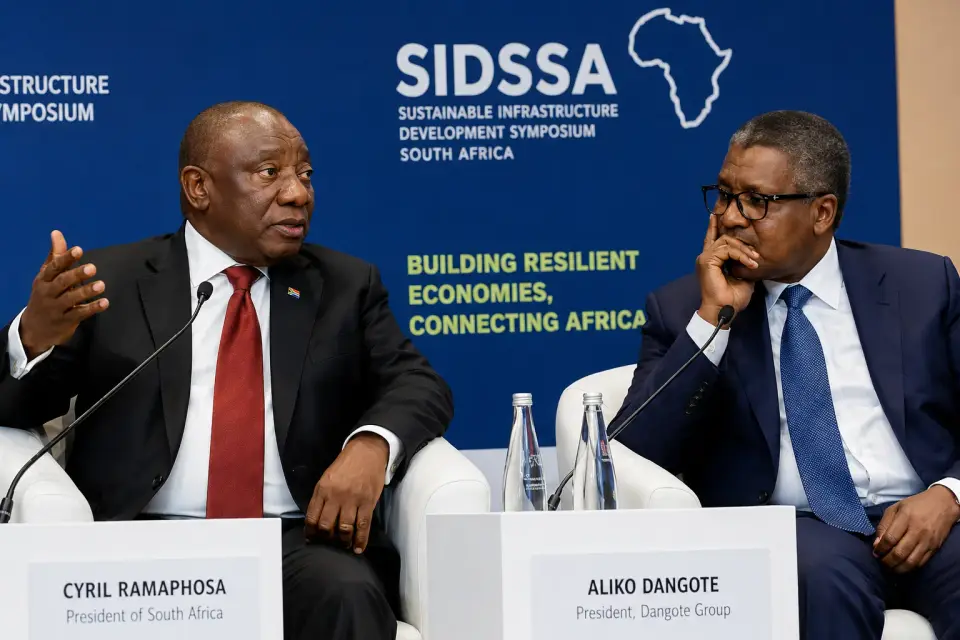
Africa's Financing Debate Heats up as Dangote Disputes Ramaphosa's Banking Claim
3 Sept 2026

Africa
US Imposes Targeted Visa Restrictions on South Africans Over Land and Race Policies
16 Sept 2026
Africa
Business Forum 2026: Mauritius Pitches Itself as Africa’s Financial Bridge
13 Sept 2026