
Germany’s Regional Polls Intensify Pressure on Chancellor Friedrich Merz
Votes in Berlin and Mecklenburg-Vorpommern are testing support for Chancellor Friedrich Merz’s CDU just 16 months into his government.
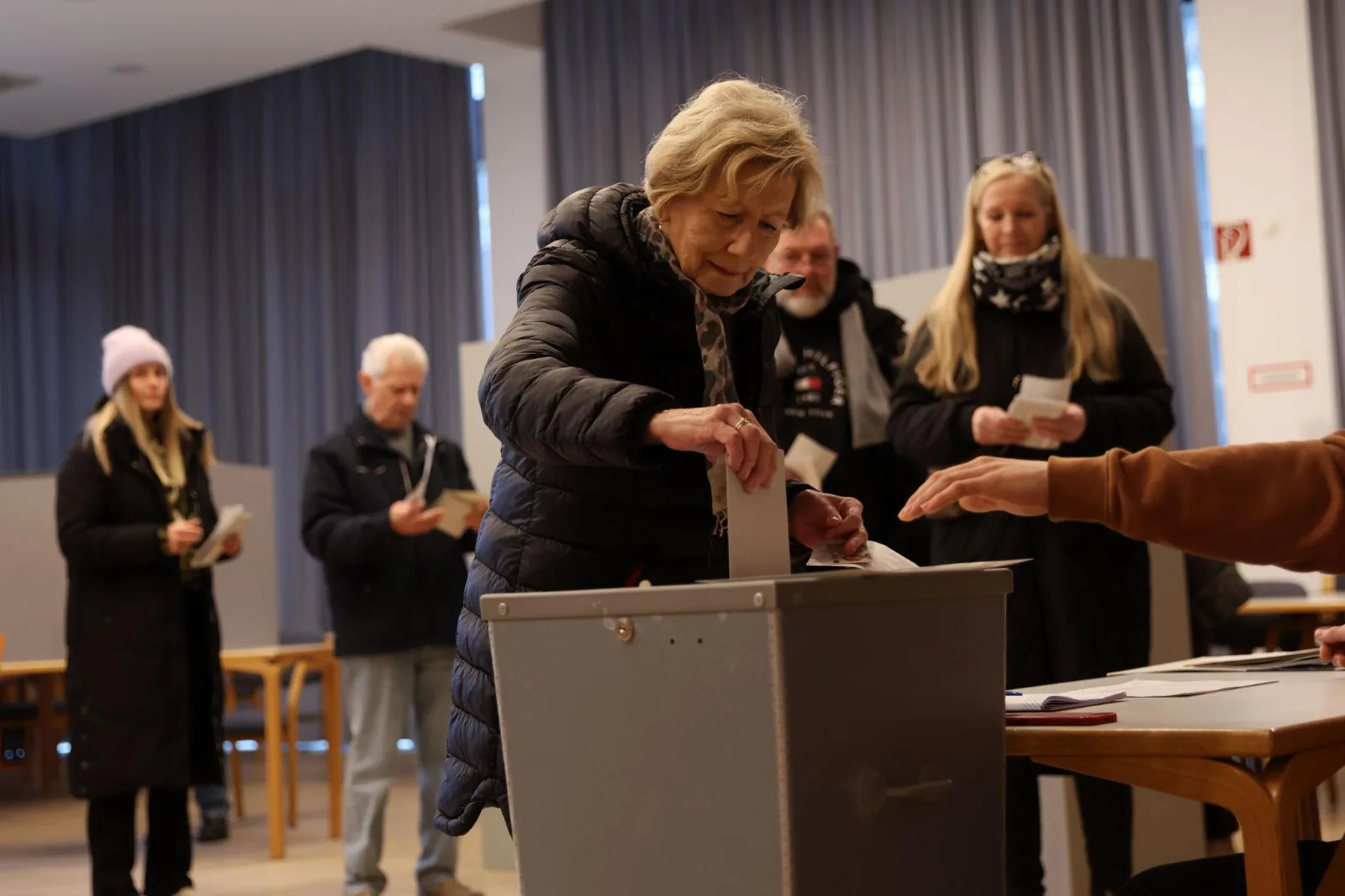
Chancellor Friedrich Merz is facing renewed political pressure as voters in Berlin and Mecklenburg-Vorpommern head to the polls, with the closely watched state elections expected to test support for his Christian Democratic Union (CDU) amid declining approval ratings and growing debate over his leadership.
The elections come just 16 months after Merz took office and follow a turbulent political period for the CDU. Opinion polls suggest the party could lose significant ground in both states, while the far-right Alternative for Germany (AfD) is seeking to build on its strong victory in Saxony-Anhalt two weeks ago, where the CDU’s share of the vote was cut dramatically. Despite the setbacks, Merz has insisted he intends to remain chancellor, dismissing speculation about an early change in leadership.
Although the ballots are regional, they are widely viewed as a referendum on the federal government’s performance. In Berlin, surveys indicate the CDU is in a tight contest with Die Linke and could lose its leading position, while in Mecklenburg-Vorpommern the party is polling only slightly above the five-percent threshold needed to secure seats in the state parliament—potentially one of its weakest performances there.
The outcome could further strengthen the AfD in eastern Germany, where the party has expanded its support through a platform centred on stricter immigration policies and a Germany-first agenda. Some branches of the AfD have been classified as right-wing extremist by Germany’s domestic intelligence service, a designation the party rejects.
Reports from German broadcaster Tagesschau say discussions about a possible “chancellor swap” have begun circulating within political circles, although no senior CDU figure has formally challenged Merz’s leadership. Even so, criticism has become more visible inside the party, with some regional politicians questioning whether the chancellor has remained connected to the concerns of ordinary voters.
Merz has argued that he inherited many of Germany’s economic and geopolitical challenges, including sluggish growth, high energy costs and Europe’s changing security landscape. His supporters say difficult reforms are necessary, while critics contend that his tougher rhetoric on immigration and controversial comments urging Germans to work more have failed to reverse declining public confidence.
The elections also highlight contrasting fortunes for Germany’s major parties. In Mecklenburg-Vorpommern, incumbent state premier Manuela Schwesig of the Social Democratic Party (SPD) is campaigning to retain first place, presenting herself as “Die Frau gegen Blau”, or Woman Against Blue, a direct reference to the AfD’s party colour.
The SPD’s stronger regional position contrasts with its role nationally, where it governs in coalition with Merz’s CDU. Political analysts say Sunday’s results could influence not only regional governments but also the balance of power within the federal coalition as key economic, tax and welfare reforms move toward parliament this autumn.
Merz is reportedly expected to meet senior CDU figures in Berlin after the polls close, having cancelled a planned trip to New York as the elections became an increasingly important political priority. Any significant setback for the CDU is likely to intensify internal debate over the party’s direction and Merz’s leadership at a time when Germany is navigating economic uncertainty, immigration pressures and broader security challenges across Europe.
As Germany’s voters cast their ballots, the elections underscore how regional contests can quickly become national political barometers. For Merz, the results may not determine his immediate future as chancellor, but they could shape the authority and momentum with which his government confronts the country’s most pressing challenges.
More on Politics
Politics
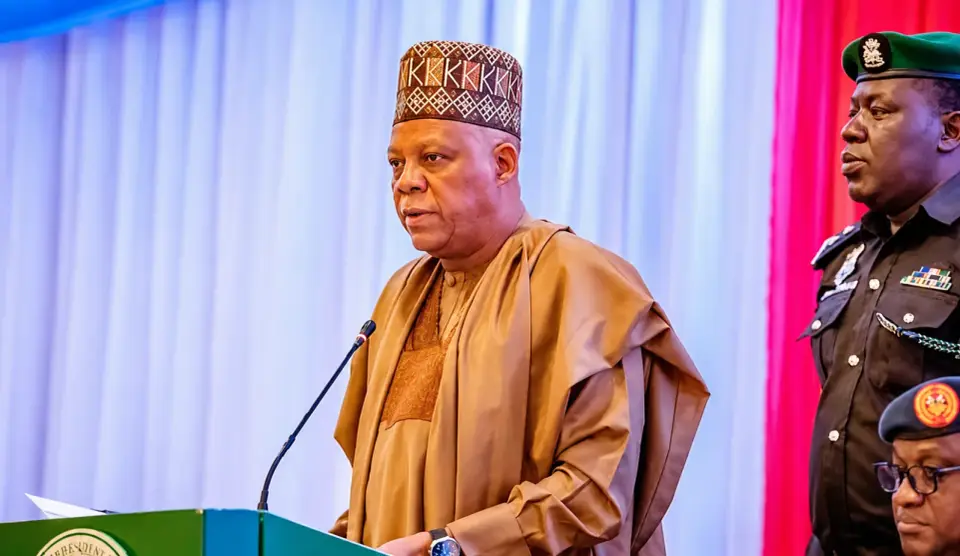
Shettima: Only Six Northern Governors Backed Tinubu in 2023 Election
17 Sept 2026
Politics
Tiny English Village Votes to ‘Secede’ from UK Over Migrant Housing Plan
16 Sept 2026
Politics
2027 Polls: ADC Calls for Transparent PVC Rollout Before 2027 Elections
13 Sept 2026

Politics
2027 Polls: INEC Clears 18 Presidential Candidates, Fixes January 16 Election
13 Sept 2026

Politics
Charismatic Bishops Endorse Tinubu’s 2027 Re-election Bid
9 Sept 2026
You may also like

Politics
Peter Obi’s blocked Benue visit ignites fresh political standoff
9 Sept 2026

Politics
Abia Governor Otti Says He Wants Younger Nigerians to Take Over
21 Sept 2026
Politics
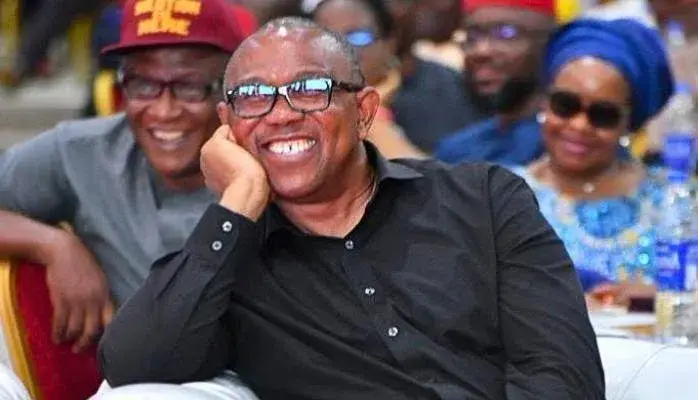
Obi Pledges Agriculture, Small Businesses as Engine of Youth Employment
20 Sept 2026

Politics
2027 Race: Peter Obi Calls for Credible, Deliverable Manifestos
20 Sept 2026
Politics
Russia Begins Three-Day Parliamentary Election as Putin Seeks Wartime Mandate
19 Sept 2026
Politics
Mambilla Dispute: APC Questions Atiku’s 2027 Ambition Over ICC Arbitration
19 Sept 2026