
Former Chemistry Teacher Found Guilty of Assaulting Two Boys in 1980s
A former London chemistry teacher has been convicted of seven indecent assaults against two teenage pupils nearly four decades after the alleged abuse took place.
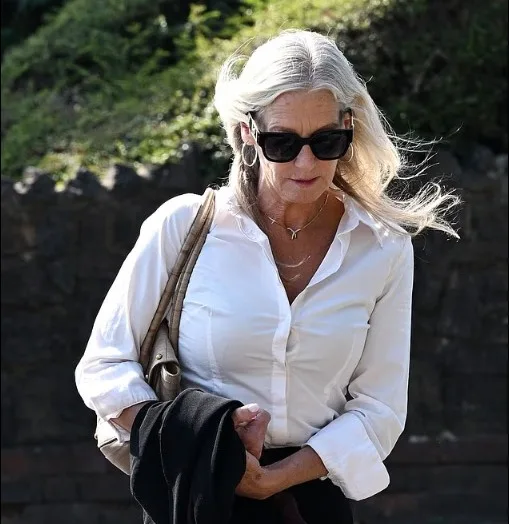
A former chemistry teacher has been found guilty of sexually assaulting two teenage pupils at an all-boys school in north London during the late 1980s, bringing a decades-old case to a criminal conviction.
Sally-Anne Bowen, now 65, was convicted at Harrow Crown Court on Thursday of seven counts of indecent assault involving two boys who were about 14 and 15 at the time. Bowen was in her mid-20s and teaching at Christ’s College in Finchley when the offences occurred. The jury returned majority verdicts after deliberating for six hours and 29 minutes.
The court heard particularly serious allegations concerning one of the former pupils, who told jurors that he had sexual encounters with Bowen approximately 20 to 30 times over a number of months. He said he visited her home, believed she was his girlfriend and had fallen in love with her.
The second complainant described a separate incident involving Bowen at a café, where he said she kissed him and behaved inappropriately towards him. Both complainants were teenagers and pupils under Bowen's authority at the time.
Prosecutors also presented evidence from former pupils about Bowen's behaviour in the classroom. Witnesses described an environment in which conversations allegedly moved into sexual territory, with Bowen accused of participating in and encouraging discussions that crossed the normal boundaries between teacher and pupil. One former student described her as behaving more like a peer than a teacher.
There was also evidence that concerns had reached the school's science department. Richard Luker, who was head of science at the time, told the court he remembered the mother of one of the boys raising concerns because she feared her son was planning to travel abroad with Bowen at the end of the school term. The court heard the concern, although the evidence did not establish what action was taken in response.
Bowen denied the allegations throughout the trial. She described the accusations as fabricated and rejected the suggestion that she had sexual relationships with pupils. She also told the court that an undiagnosed medical condition had made sexual intercourse difficult and painful for her during the period in question. Her defence sought to challenge the accounts given by the complainants and disputed the prosecution's interpretation of her behaviour.
The case has taken years to reach a criminal court. One of the complainants first reported the allegations to police in the 2010s. The investigation was subsequently revisited, and the allegations also became the subject of a Tortoise Investigates podcast, Lucky Boy, which followed one former pupil's efforts to establish what happened and seek accountability.
Bowen's professional conduct was also examined separately from the criminal proceedings. A Teaching Regulation Agency panel considered the allegations and, following hearings held between 2022 and 2023, found professional misconduct proven in relation to her conduct. A prohibition order was issued in January 2024, meaning she is indefinitely barred from teaching in England.
That regulatory finding and the criminal conviction are separate processes. The criminal jury was required to determine whether the prosecution had proved the specific offences beyond the criminal standard of proof, while the professional misconduct proceedings considered whether Bowen's conduct met the standards expected of someone working in the teaching profession.
The passage of almost 40 years between the alleged offences and the conviction is significant. Historic sexual-abuse cases can present difficult evidential questions: witnesses may have moved away, records may be incomplete and memories must be assessed against events that happened decades earlier. In this case, however, the jury ultimately found Bowen guilty on seven counts.
Bowen was granted bail following the verdict and is due to return to court for sentencing on November 20, 2026.
The case is also a reminder of how the understanding of abuse within schools has changed. Behaviour that might once have been dismissed as flirtation, inappropriate familiarity or a teacher being unusually close to pupils is now examined through the lens of safeguarding, professional boundaries and the considerable power imbalance between adults in positions of authority and children in their care. The conviction cannot undo the decades that have passed, but it formally establishes that the court accepted the complainants' accounts and found Bowen criminally responsible for the offences. More broadly, the case underscores why allegations of abuse in institutions cannot simply be judged by how long ago they happened: for those affected, the consequences can continue long after the classroom has emptied.
More on Law/Legal

Law/Legal
US Advocacy Firm Files $57m Suit Against Tinubu, Nigeria and Fani-Kayode
6 Oct 2026
Law/Legal
Kosovo’s Former President Hashim Thaçi Sentenced to 25 Years in War Crimes Case
16 Sept 2026

Law/Legal
Dolly Parton’s Estate Seeks Court Order Against Nephew Over Alleged Threats
23 Sept 2026

Law/Legal
Madagascar ex-Senate president sentenced to 10 years over deadly protest crackdown
3 Sept 2026
Law/Legal
Ex-Liberia Vice President Remanded in Prison as Drug Trafficking Case Moves to Court
26 Aug 2026
You may also like
Law/Legal
Joseph Kabila Challenges US Sanctions in Washington Court
24 Aug 2026

Law/Legal
Halle Berry Rejects Choking Allegation, Seeks Return to 50/50 Custody of Son
6 Oct 2026

Law/Legal
Makinde Sues Otti Over ₦200 Million Campaign Billboard Fee in Abia
22 Sept 2026
Law/Legal
CNN, MSNBC and Politico File Emergency First Amendment Lawsuit Against Trump
21 Sept 2026
Law/Legal
ICC Tribunal Dismisses Sunrise Power’s $2.35 Billion Claim Against Nigeria
18 Sept 2026

Law/Legal
Paris Court Awards Kim Kardashian €1 in Landmark 2016 Robbery Case
16 Sept 2026