All Saints Day 2026 falls on Sunday, November 1, bringing the annual Christian celebration of the saints into the regular Sunday worship calendar of many Western churches. All Souls’ Day follows on Monday, November 2, creating consecutive days of observance with distinct meanings for congregations and families remembering the dead.
The Sunday timing is the key calendar fact for 2026, but it does not establish a universal long weekend or an additional Monday public holiday. Religious observance, statutory holidays and workplace arrangements operate under different rules, and their effects vary by country and denomination.
For Roman Catholics, November 1 is a major feast that takes precedence over an ordinary Sunday in the church calendar. Other Christian traditions follow their own arrangements, while many Eastern Orthodox churches celebrate All Saints on a different date altogether.
No specific breaking development, government announcement or church event schedule was supplied for this report. This account explains the confirmed calendar date, the religious background and the practical questions that require local verification.
When is All Saints Day 2026?
All Saints Day 2026 is Sunday, November 1, in Western Christian traditions that observe the feast on its fixed November date. It comes immediately after Halloween on Saturday, October 31, and immediately before All Souls’ Day on Monday, November 2.
The sequence connects three dates that are often discussed together but should not be treated as interchangeable. Halloween is the eve of All Saints, All Saints honors the saints, and All Souls focuses on prayer for the faithful departed, particularly in Roman Catholic practice.
Because November 1 falls on Sunday, the feast will coincide with the day when many Christians ordinarily attend church. In the Roman Catholic calendar, All Saints is a solemnity, the highest rank of liturgical celebration, and replaces the usual Sunday observance when it falls on a Sunday in Ordinary Time.
Ordinary Time is the part of the Catholic church year outside the principal seasons of Advent, Christmas, Lent and Easter. The term describes the calendar’s numbered weeks, not a judgment that those Sundays lack religious importance.
The coincidence also means that readers should distinguish the date of the feast from the date of any associated activity. A church, cemetery, school or community organization may arrange a service or gathering at another time, but no such local schedule can be established from the date alone.
For planning purposes, the fixed points are November 1 for All Saints and November 2 for All Souls in the Western calendar. Service times, cemetery access, road restrictions and business opening hours need separate confirmation from the institutions responsible.
What All Saints Day commemorates
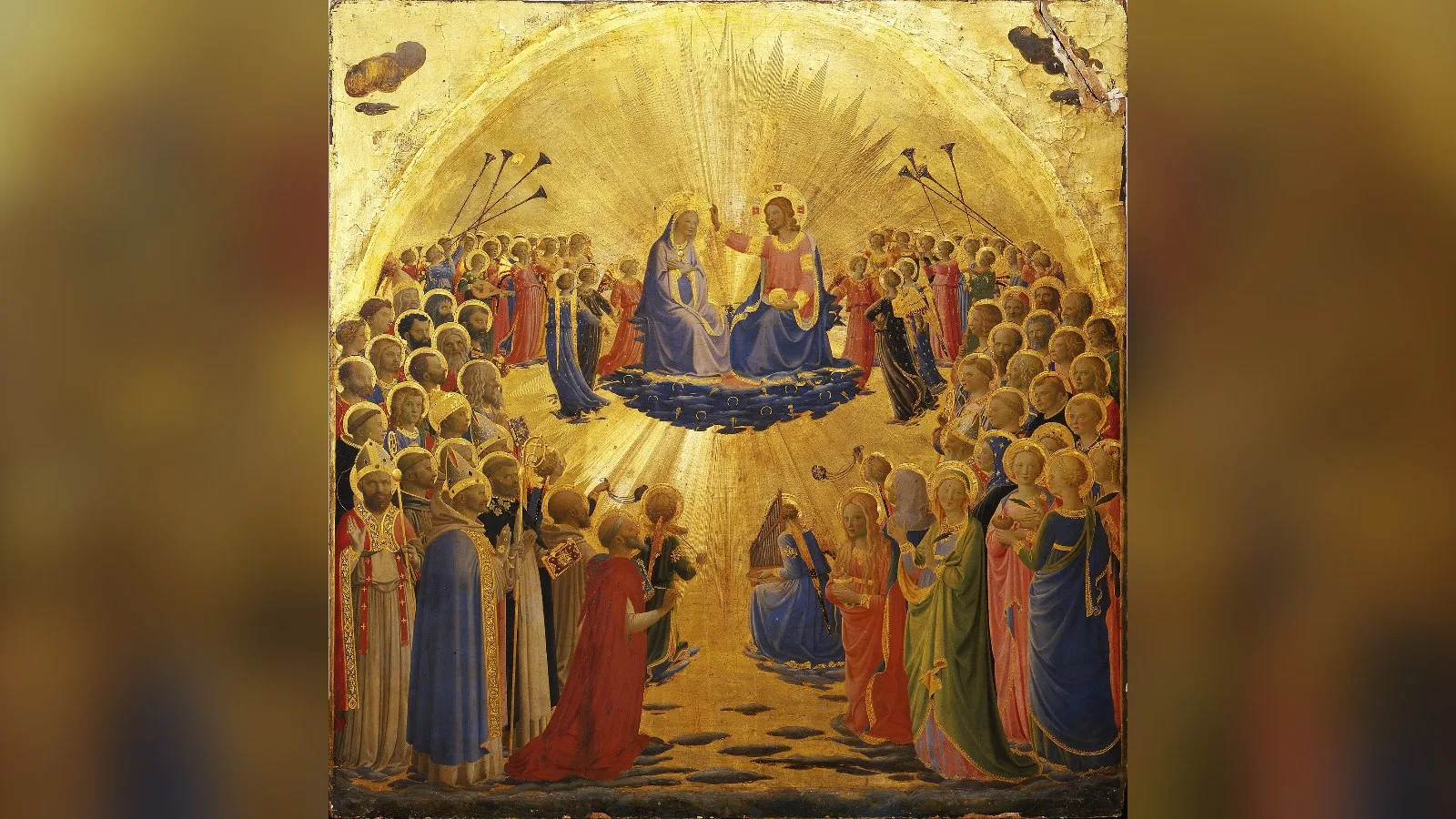
All Saints Day honors all the saints, including those whose names are not widely known or individually commemorated in the church calendar. In Roman Catholic teaching, the celebration encompasses those who have attained heaven, rather than only people formally recognized through canonization.
Canonization is the Catholic Church’s formal recognition of a person as a saint. The broader scope of All Saints explains why the feast is not simply a collective anniversary for a list of famous religious figures.
The observance also reflects the Christian understanding of the communion of saints. In Catholic teaching, that expression describes a spiritual relationship among the faithful on earth, those undergoing purification after death and those in heaven.
Catholic teaching distinguishes the honor given to saints from the worship owed to God. Saints serve as examples of Christian faith, and Catholics ask for their intercession, meaning their prayers to God.
Different Christian traditions understand those practices differently. Anglican and Lutheran churches also observe All Saints, but beliefs about sainthood, intercession and prayer for the dead are not identical across denominations or even across all communities within them.
In some Protestant congregations, All Saints observances include remembering church members who have died. That practice can give a service a strong local and personal dimension, while retaining a broader focus on Christian faith across generations.
For an international audience, the safest definition is therefore specific but inclusive: All Saints is a Christian celebration of the saints, with its theology and form of worship shaped by the tradition observing it. It is not solely a national holiday, a cemetery festival or another name for Halloween.
Why Sunday matters for worship and public holidays
The Sunday date has different consequences for church calendars and civil calendars. A feast can be central to religious worship without giving employees an extra day away from work, and a statutory holiday can apply to people regardless of their religious beliefs.
In Roman Catholic practice, Sundays ordinarily carry an obligation to attend Mass, subject to recognized exceptions such as illness or other serious reasons. All Saints also appears among the Church’s holy days, although the rules governing observance on weekdays vary between jurisdictions.
For 2026, the feast and Sunday coincide. Their coincidence does not, by itself, create a requirement to attend two separate Masses, and Catholics with questions about their circumstances should consult their parish or diocese.
A diocese is a regional church jurisdiction led by a bishop. National or regional bishops’ conferences also play a role in the local application of rules for holy days, which is why advice written for one country may not describe practice in another.
Civil holiday arrangements require the same care. All Saints is an established public holiday in countries including France, Italy, Spain, Poland and the Philippines, but the consequences of its falling on Sunday depend on each jurisdiction’s laws and official calendar.
A Sunday feast does not, by itself, create a Monday public holiday.
In Germany, for example, All Saints is a public holiday in certain states rather than throughout the country. This illustrates why even a national-level summary may be insufficient for someone planning work, shopping or travel.
Readers should not infer that Monday, November 2, will be a substitute holiday merely because November 1 is a Sunday. All Souls’ Day has its own religious identity, and any legal day off on that date must come from the relevant civil arrangements.
Employers, schools and transport operators may also have schedules that differ from the general public holiday framework. A religious date alone cannot establish whether a particular office will close, a school will suspend classes or a train will follow a reduced timetable.
All Saints, All Souls and Halloween are different
The name Halloween comes from All Hallows’ Eve, the evening before All Hallows, another name for All Saints. In this usage, “hallows” refers to saints, preserving the historical connection between October 31 and November 1.
Modern Halloween celebrations often center on costumes, sweets and entertainment rather than worship. Their cultural prominence should not obscure the separate religious purpose of All Saints Day.
All Souls’ Day, formally known in the Roman Catholic calendar as the Commemoration of All the Faithful Departed, falls on November 2. Catholic observance emphasizes prayer for the dead, particularly those believed to be undergoing purification before entering heaven.
That understanding is connected to the Catholic doctrine of purgatory. The doctrinal distinction is important: All Saints celebrates those in heaven, while All Souls centers on prayer for the departed who need purification.
Family customs do not always follow these boundaries as neatly as the liturgical calendar does. Cemetery visits, candles, flowers and remembrance gatherings may take place across both days, depending on local tradition and practical circumstances.
In Poland, November 1 is closely associated with visiting graves and lighting candles. In France, the observance known as Toussaint is also associated with taking flowers, particularly chrysanthemums, to cemeteries.
In the Philippines, the period commonly called Undas brings families to burial places to remember the dead. The term can describe the wider remembrance period around All Saints and All Souls, rather than a single uniform ceremony.
Mexico’s Día de Muertos, or Day of the Dead, also overlaps with November 1 and 2. Its traditions combine Indigenous and Catholic influences, and vary among communities, so it should not be reduced to a Spanish-language name for All Saints.
These examples explain why photographs of candles, decorated graves or family gatherings can represent related but different observances. Accurate reporting should identify the place and practice rather than assume every scene around November 1 has the same meaning.
Why not all Christians observe November 1
The November date belongs principally to Western Christian tradition. Many Eastern Orthodox churches observe All Saints on the first Sunday after Pentecost, linking the celebration to a different part of the church year.
Pentecost commemorates the descent of the Holy Spirit upon the apostles and falls 50 days after Easter when counted inclusively. Because Easter’s date changes, the Orthodox observance of All Saints is movable rather than fixed to November 1.
This is more than a difference in the civil calendars used by some churches. The observance occupies a different place in the sequence of religious celebrations, so a November-focused account cannot describe every Christian community.
Anglican practice also allows variation. The Church of England’s calendar, for example, provides for All Saints to be celebrated on November 1 or on the Sunday falling between October 30 and November 5.
In 2026, November 1 already falls on Sunday, bringing those options together. Individual congregations still determine their service arrangements within the rules of their church.
Some Lutheran and other Protestant communities use an All Saints service to read the names of people who died during the preceding year. Others place less emphasis on the feast, and some Christian denominations do not observe it as a distinct annual celebration.
The history of All Saints also reaches beyond its present calendar position. Early Christian communities commemorated martyrs, and the Western feast developed over time into a broader celebration of all saints.
Martyrs are people remembered for having died because of their faith. The historical movement from particular commemorations toward a collective feast helps explain the observance’s scope, while local traditions account for much of its present-day diversity.
What families, churches and travelers should check next
The next useful information for readers will be local, not another calculation of the date. Parish notices, official public holiday calendars, cemetery announcements and transport schedules will establish how the November 1 and 2 observances operate in a particular place.
People planning to attend worship should confirm the church’s denomination and published service times. A Sunday Mass schedule may not describe a separate cemetery service, a remembrance gathering or a service scheduled for All Souls’ Day.
Families arranging grave visits should check cemetery opening hours and any rules on candles, flowers or vehicle access. Those details belong to cemetery management and local authorities, and should not be assumed from practices in previous years.
Travelers should also separate general cultural expectations from confirmed operational information. A destination with a strong cemetery-visiting tradition may require additional planning, but no specific congestion forecast, transport disruption or security measure can be asserted without a relevant announcement.
The same principle applies to businesses and workers. An official calendar can establish holiday status, while employment rules and workplace arrangements determine questions such as leave, pay and substitute rest days.
Anyone sharing guidance online should identify the country, region and denomination concerned. Statements that “Monday is a holiday” or that “all Christians celebrate on November 1” omit distinctions that materially affect readers’ plans.
The central facts for 2026 remain straightforward: All Saints falls on Sunday, November 1, and All Souls follows on Monday, November 2, in the Western Christian calendar. The Sunday alignment matters for worship, but its wider effect on work, travel and family gatherings depends on local decisions and established law.