30 Years, Zero Royalties: Omotola Jalade Exposes Nollywood’s Pay Problem
Veteran actress Omotola Jalade-Ekeinde says three decades of blockbuster success in Nollywood have earned her fame—but not a single royalty cheque.
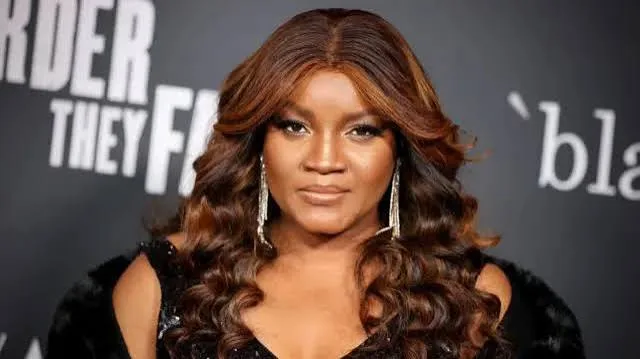
Veteran actress Omotola Jalade-Ekeinde has sparked fresh debate about how Nollywood compensates its stars after revealing that, despite spending 30 years in Nigeria’s film industry, she has never received a royalty or residual payment from her work.
Speaking about the stark contrast between her experiences in Nollywood and Hollywood, the actress said she continues to receive recurring payments from projects she completed during her relatively short time in the American film industry, while her extensive Nigerian catalogue has generated nothing beyond her initial fees. Her remarks have quickly gained traction across social media and reignited long-running conversations about performers’ rights in Africa’s largest film industry.
Omotola, widely regarded as one of Nollywood’s defining figures, began acting in the mid-1990s and has appeared in more than 300 films. According to her, the issue is not about comparing Hollywood’s wealth with Nollywood’s, but about the absence of a structured system that allows actors to benefit when their work continues earning money through television broadcasts, streaming platforms or other forms of redistribution.
The distinction is an important one. In Hollywood, many performers receive residuals, additional payments negotiated through collective bargaining agreements when eligible productions are replayed, syndicated or streamed. In Nollywood, actors are typically paid a one-time fee, with many contracts offering little or no participation in future revenue generated by successful films.
This is not the first time Omotola has challenged the industry’s business model. As far back as 2019, she disclosed that she had begun insisting on royalty clauses before accepting movie roles, arguing that actors should not be “paid off and forgotten” while films continue generating commercial value long after production ends.
Her latest comments have drawn support from fellow creatives who argue that the conversation is fundamentally about labour rights rather than prestige. Actress Beverly Osu, among others, has defended the call for residuals, saying the principle of fair compensation should apply regardless of whether an actor works in Nigeria or abroad.
Not everyone agrees with Omotola’s framing, however. Mahmood Balogun, chairman of the Audio Visual Rights Society of Nigeria (AVRS), says Nigeria’s royalty system is still evolving and notes that the organization has distributed royalties to registered members in recent years. He argues that one of the industry’s biggest challenges is limited copyright enforcement and the lack of comprehensive reporting systems across broadcasters, hotels and digital platforms, making royalty collection far more difficult than in mature markets.
The debate comes at a pivotal moment for Nollywood. The industry has expanded beyond home videos into cinemas and global streaming services, creating new revenue streams and international audiences. Yet many actors and filmmakers say the legal and contractual frameworks governing intellectual property have not kept pace with that growth.
For an industry celebrated as one of Nigeria’s greatest cultural exports, Omotola’s complaint goes beyond a personal grievance. It raises a broader question about sustainability: as Nollywood grows into a global entertainment powerhouse, should the people whose performances built its legacy continue to be paid only once, or share in the long-term value their work creates?
More on Entertainment

Entertainment
Davido to Headline Historic Three-Night Residency at Lagos National Theatre
18 Sept 2026
Entertainment
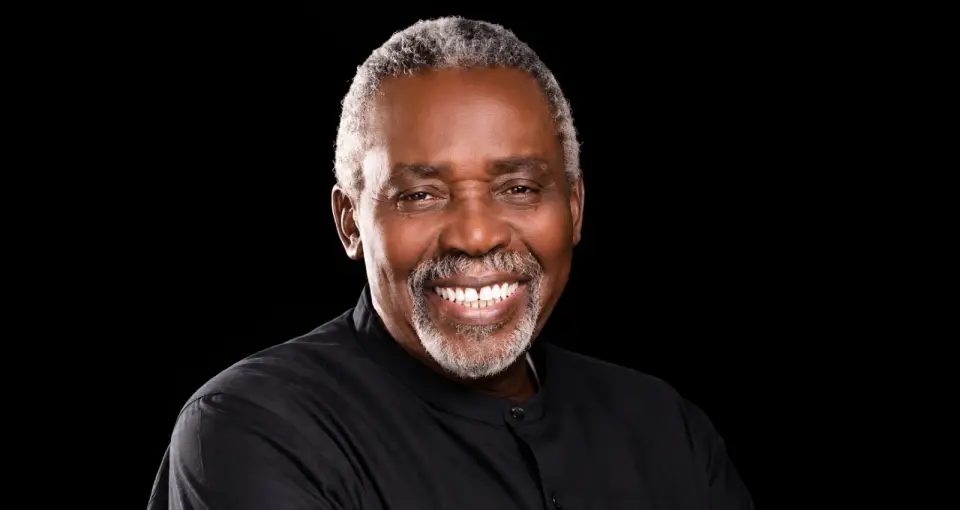
Nollywood Icon Olu Jacobs Dies at 84
16 Sept 2026
Entertainment
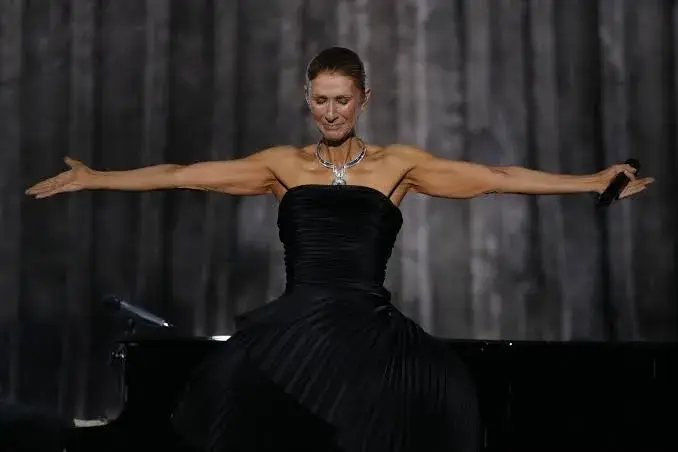
Six Years Later, Céline Dion Returns with Powerful Paris Performance
13 Sept 2026
Entertainment
Hollywood Restores Dolly Parton’s Iconic Walk of Fame Star
4 Sept 2026
Entertainment
Autopsy Reveals Hayden Panettiere Died From Fentanyl, Xanax Overdose
24 Sept 2026
You may also like
Entertainment
Taylor Swift Finally Reveals ‘Patient Zero,’ Ending Fan Mystery
24 Sept 2026
Entertainment
Patience Ozokwo Celebrates 68th Birthday with Gratitude to God and Fans
15 Sept 2026
Entertainment
Former Catholic Priest Finds Love in the Very Community He Served for 12 Years
8 Sept 2026
Entertainment
Celine Dion Takes Paris Fashion Week by Storm With Eiffel Tower Performance
30 Sept 2026
Entertainment
Johnny Depp Makes Sculpture Debut With The Bunnyman in Istanbul
21 Sept 2026
Entertainment
Ed Sheeran Apologizes for ‘Mistakes’ After Macklemore’s Removal From US Tour
20 Sept 2026