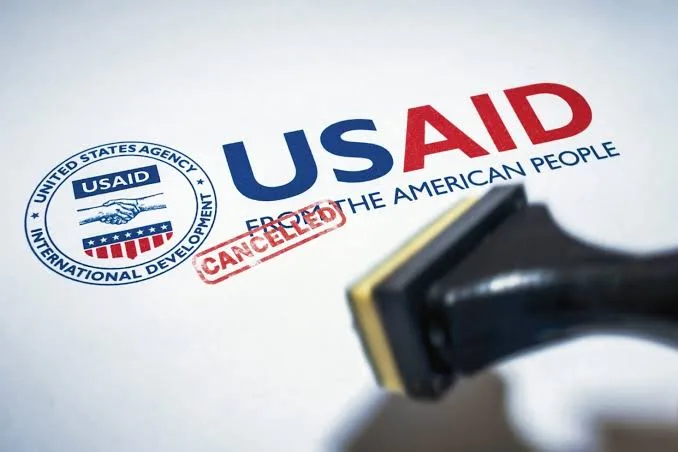
The relaunch of the official United States Agency for International Development (USAID) website has ignited intense controversy in Washington.
The portal returned to the internet hosting an unredacted document archive titled the "USAID Files." Federal administrators claimed the release provides transparency into agency operations and proves previous administrations used foreign aid to advance partisan goals.
However, the publication of 1.1 gigabytes of internal memos, recorded meetings, and emails has drawn immediate backlash. Critics warn the disclosures compromise national security and expose foreign aid workers to physical danger.
Unredacted Records and Personal Safety Risks
The published archive contains unredacted names, personal contact details, and internal communications of career civil servants and foreign contractors.
Many named individuals served in conflict zones, diplomatic missions, and politically sensitive foreign environments. The USAID Alumni Association issued an urgent appeal to Secretary of State Marco Rubio, demanding the immediate removal of sensitive personnel information.
The association warned that publishing unredacted identities creates severe security risks for overseas workers and their families. Several released documents previously carried "Sensitive But Unclassified" designations, which typically restrict open dissemination to the public.
Lawmakers Question Legality Under Federal Privacy Acts
Congressional leaders quickly challenged the legality of the public database. Top Democrats on foreign affairs committees sent a formal letter to Secretary Rubio and Acting USAID Administrator Bill Woolf demanding answers.
Senator Jeanne Shaheen and Representative Gregory Meeks warned that hosting personal information on an official government domain violates the federal Privacy Act.
The lawmakers argued that selectively posting documents without original context misrepresents foreign aid work. They also asserted that closing and dismantling USAID programmes could ultimately impose billions of dollars in cancellation expenses and lost international investments.
Competing Narratives Over Spending and Foreign Aid
The Trump administration defended the document release as a necessary audit of taxpayer resources. Officials argued the records reveal questionable spending on global media monitoring, social platform partnerships, and overseas governance initiatives.
The trove includes correspondence with executives at major technology platforms regarding content moderation and global disinformation programmes. Supporters of the release say taxpayers deserve complete visibility into how past agency budgets were allocated.
Legal analysts and ethics experts expect congressional committees to open formal inquiries into whether agency officials breached federal privacy protections. As scrutiny mounts, calls are growing from former diplomats to take down unredacted personal data while legal reviews continue.