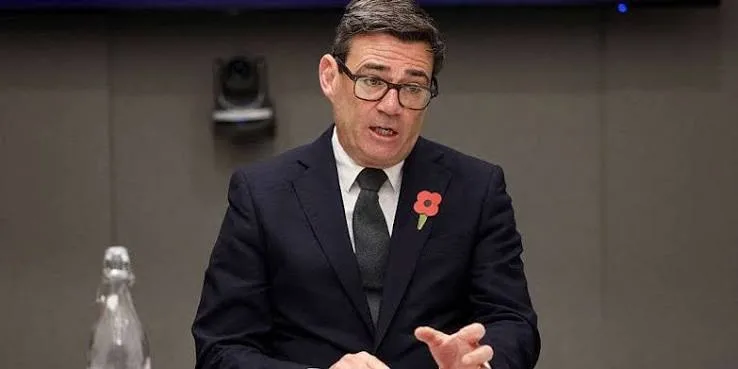
The UK PM opens door to slavery apology discussions as Commonwealth nations prepare for a crucial regional summit. British Prime Minister Andy Burnham stated that he is ready to listen to calls for a formal state apology for Britain's historic role in the transatlantic slave trade.
Speaking ahead of meetings in the Caribbean, Burnham described the trafficking of enslaved Africans as a brutal and barbaric violation. He emphasised that Britain must face up to its past while pursuing an open and structured dialogue with affected nations.
However, the prime minister firmly ruled out any payment of financial reparations to Caribbean nations. He argued that modern British citizens cannot be held legally or financially liable for actions that occurred centuries ago under different laws.
Government Weighs Historic Apology
The decision to consider an official apology represents a significant evolution in British foreign diplomacy. Previous administrations consistently avoided making an outright state apology due to legal concerns over financial liability.
Burnham indicated that listening to requests for a formal slavery apology will form a central part of future talks. Campaign groups and Caribbean leaders have spent decades urging the British state to deliver an unambiguous moral acknowledgement.
Parliamentary advocacy groups welcomed the shift in tone while insisting that historical accountability requires meaningful action. Community representatives noted that pursuing a slavery apology remains deeply significant for millions of descendants worldwide.
Financial Reparations Remain Ruled Out
Despite being open to a formal slavery apology, the prime minister drew a firm line against monetary transfers. Burnham stated that direct compensation is not the appropriate mechanism to resolve historical injustices.
Ministers reiterated that modern taxpayers should not bear financial responsibility for colonial era violations. The government maintains that bilateral cooperation should instead concentrate on shared economic growth and international development.
Instead of cash payments, the administration proposed global debt relief measures for vulnerable nations. The plan aims to lower interest rates and extend repayment timelines for developing economies facing fiscal pressure.
Commonwealth Leaders Gather in Caribbean
The diplomatic debate unfolds as leaders assemble in Antigua and Barbuda for high level discussions. The prospect of a slavery apology has sparked renewed discussions among delegates arriving from across the globe.
Caribbean governments continue to coordinate joint proposals urging European powers to address the lingering economic impacts of colonialism. Several member states intend to raise reparatory justice during formal plenary sessions.
Diplomats expect intensive talks on climate vulnerability, development funding, and institutional reform throughout the summit. The coming days will reveal whether symbolic reconciliation can satisfy long standing demands for historical justice.