
South Korea Withdraws Embassy Staff From Ukraine Over POW Row
South Korea is withdrawing some embassy personnel from Ukraine after a diplomatic dispute over Kyiv’s disclosure of the transfer of two North Korean prisoners of war to Seoul, adding to tensions between the countries as Russian airstrikes continue.
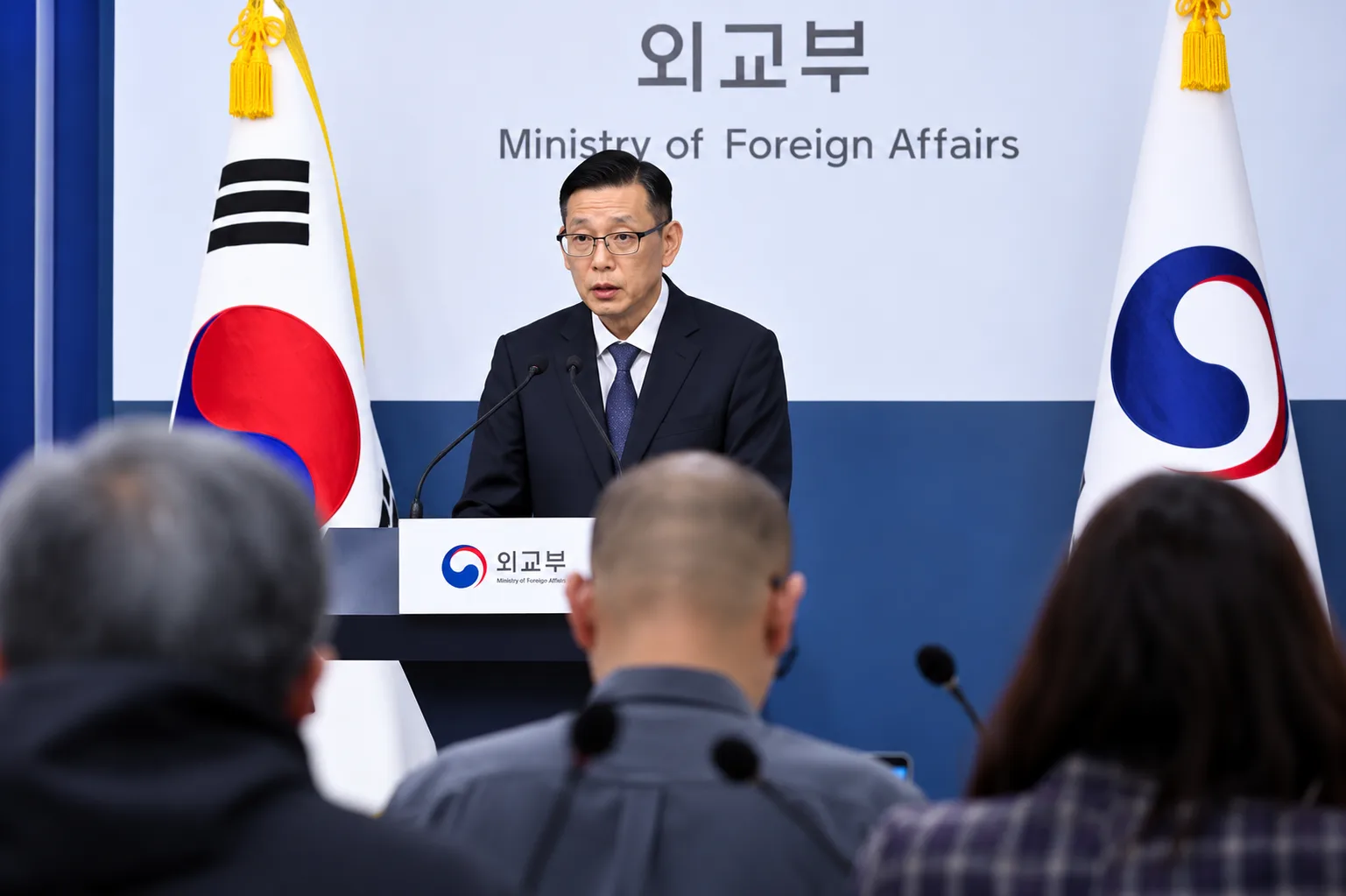
South Korea has decided to withdraw some personnel from its embassy in Kyiv following an escalating diplomatic dispute with Ukraine over the public disclosure of the transfer of two North Korean prisoners of war (POWs) to Seoul, while citing growing security concerns arising from continued Russian attacks.
The South Korean Foreign Ministry announced the decision on Tuesday, October 20, saying Ukraine had failed to take what Seoul considers constructive steps towards resolving the disagreement, despite earlier diplomatic efforts and the recall of its ambassador. The government also pointed to persistent threats of airstrikes across Ukraine, which have complicated efforts to guarantee the safety of diplomatic personnel.
Foreign Ministry spokesperson Park Doo-soon said South Korea would maintain essential diplomatic operations through its chargé d’affaires, while consular personnel would remain in the country to assist and protect South Korean nationals. The ministry did not publicly specify the number of personnel to be withdrawn or the precise timing of the move, although South Korean media reports indicated that roughly half of the embassy staff could leave.
The decision represents a further deterioration in relations between Seoul and Kyiv, which had already come under strain after South Korea recalled its ambassador, Park Ki-chang, earlier this month. Seoul is seeking an official explanation, an apology and assurances against a recurrence over what it describes as Ukraine's breach of an understanding to keep the transfer of the two prisoners confidential.
The dispute began on September 23, when Ukrainian President Volodymyr Zelenskyy disclosed during his address to the United Nations General Assembly that the two North Korean soldiers had been transferred to South Korea. Seoul maintains that the arrangement was supposed to remain private to protect the soldiers and their families, who remain in North Korea.
Ukraine, however, has disputed South Korea's account of the alleged confidentiality agreement. Kyiv has maintained that no such agreement existed, a position that has become a central obstacle to resolving the disagreement. Ukrainian officials have also signalled that they remain open to dialogue, with Foreign Ministry spokesperson Heorhii Tykhyi previously saying that diplomacy should take precedence over emotions.
South Korean Foreign Minister Cho Hyun has said Ukraine initially requested that the matter not be made public. Cho also disclosed that he received a message from his Ukrainian counterpart, Andrii Sybiha, containing an apology, but Seoul considered the response insufficient to address its concerns. Ukraine's position that the controversy should be regarded as resolved has further complicated efforts to reach a mutually acceptable outcome.
The two soldiers were captured by Ukrainian forces in January 2025 while fighting for Russia in Russia's Kursk region. They were subsequently transferred to South Korea in mid-September 2026, according to South Korean officials. The soldiers had expressed a desire to settle in the South, saying they feared persecution if returned to North Korea, according to accounts of interviews they gave to the media.
Their case is particularly sensitive because North Korea has supplied troops to support Russia's war effort against Ukraine, bringing the two Koreas' longstanding rivalry into the wider conflict. North Korean authorities have not publicly commented on the transfer, although Pyongyang has historically reacted angrily to prominent defections, sometimes accusing Seoul of abducting its citizens.
South Korea has long accepted North Korean defectors and provided assistance to those who resettle in the country. However, the transfer of the two soldiers has become a delicate diplomatic issue, involving their future, the security of relatives in North Korea and Seoul's relationship with both Kyiv and Pyongyang.
Beyond the diplomatic disagreement, the security situation in Ukraine remains a significant factor in Seoul's decision. Russian missile and drone attacks continue to threaten locations across the country, including areas far from the front lines. South Korea maintains its highest-level travel advisory for Ukraine, reflecting the dangers facing its citizens and diplomatic personnel.
The embassy's partial drawdown is not a complete suspension of diplomatic relations. Seoul has said communication with Ukrainian authorities will continue through its remaining diplomatic leadership, while consular services will be maintained. South Korean officials have also indicated that the government wants to resolve the dispute through further consultations rather than abandon diplomatic engagement.
The development comes as Ukraine continues to seek international support in its war against Russia, while South Korea balances its security interests, relations with European partners and concerns over North Korea's growing military cooperation with Moscow. Seoul has previously said its assistance to Ukraine would continue, treating that commitment separately from the diplomatic dispute.
The immediate challenge for both governments is to manage a disagreement over the handling of two prisoners without allowing it to undermine wider cooperation. For South Korea, the case touches on the safety of defectors and their relatives as well as the credibility of diplomatic assurances; for Ukraine, it comes amid a war in which international partnerships remain important to its diplomatic and security efforts.
More on Global
Global
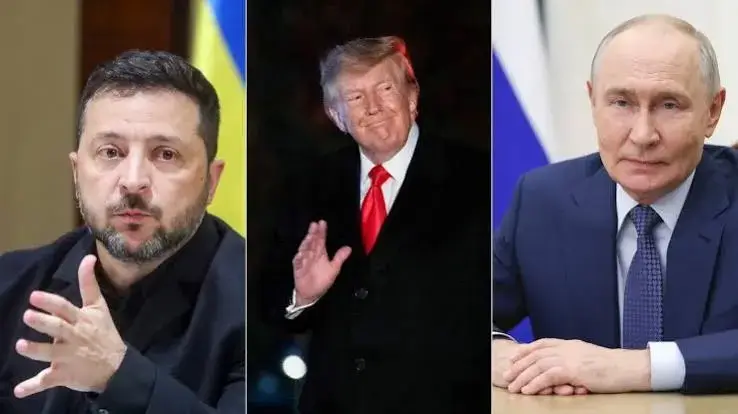
Trump Announces Immediate Energy Ceasefire Between Russia and Ukraine After Russian Diesel Deal
11 Oct 2026
Global
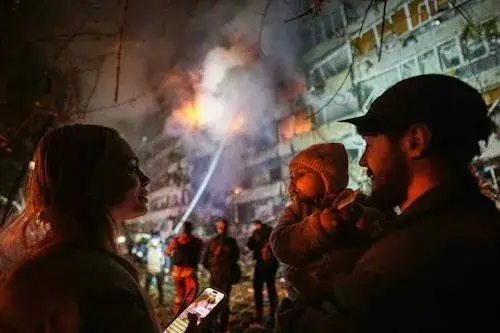
Ukraine Accuses Musk’s SpaceX of Disrupting Starlink as Russian Strikes Leave 600,000 Without Power
14 Oct 2026
Global
Ukraine Launches Major Drone Attack on Russia, Hitting St Petersburg Oil Terminal
18 Oct 2026
Global
Starlink Restrictions Disrupt Ukraine’s Military Operations, Zelensky Adviser Says
15 Oct 2026
Global
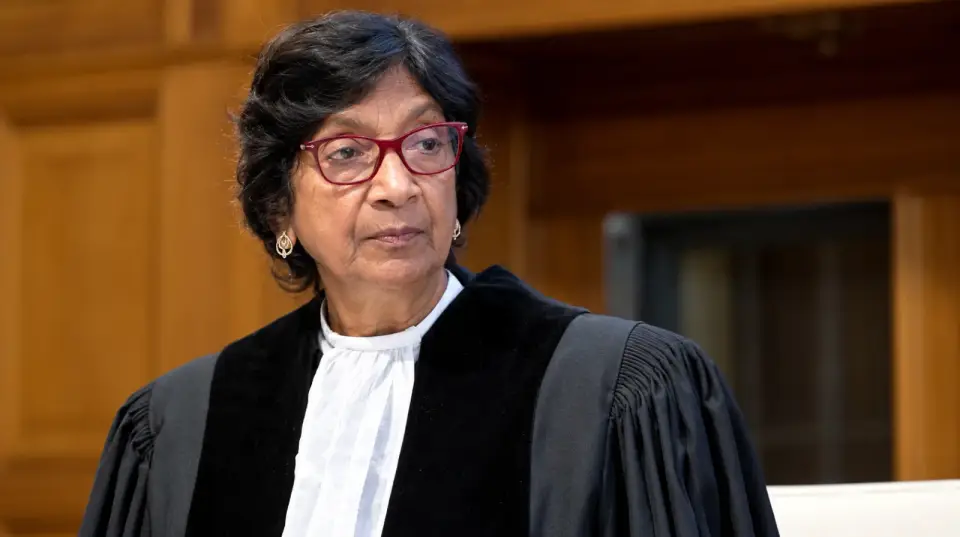
South African Jurist Navi Pillay Wins 2026 Nobel Peace Prize for Human Rights Work
9 Oct 2026
Partner with Follow Global Trends
Display banners, sponsored stories and founder spotlights.
You may also like
Global
West Africa: ECOWAS, AES Seek New Deal on Trade, Security and Movement
18 Oct 2026
Global
Trump Pauses New Russia Sanctions, Citing US National Interest
17 Oct 2026

Global
Trump Ally Kimberly Guilfoyle Quits Greece Ambassador Role After $100,000 Payment Allegation
13 Oct 2026
Global
An Indelible Stain: Trump Lashes Out at Norway After Losing Nobel Peace Prize to Navi Pillay
11 Oct 2026

Global
Norway Unveils $63.6 Billion Wealth Fund Withdrawal Plan for 2027
7 Oct 2026
Global
CNN’s Christiane Amanpour Announces Departure in June 2027
19 Oct 2026