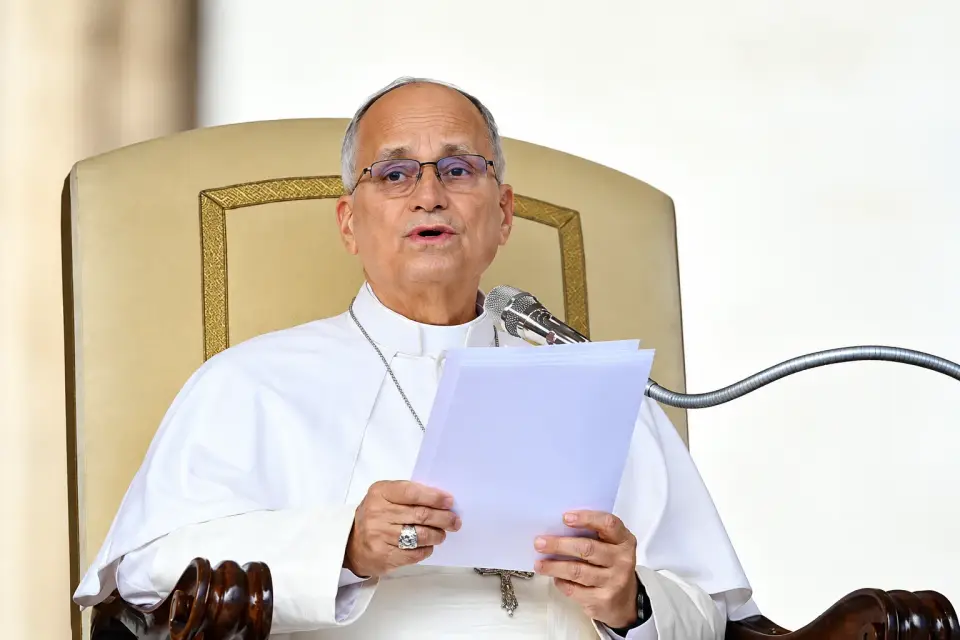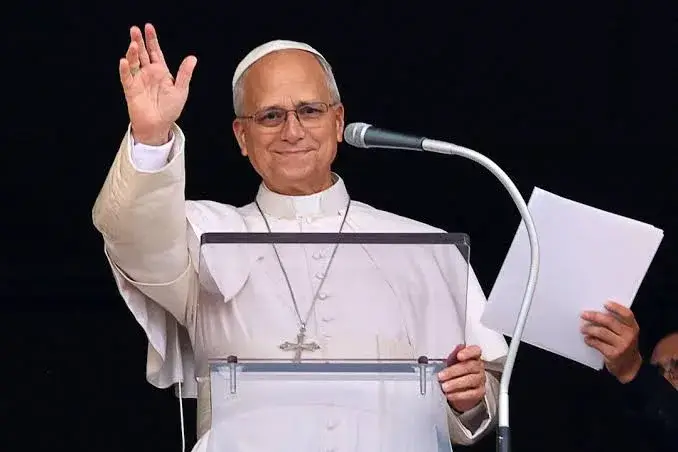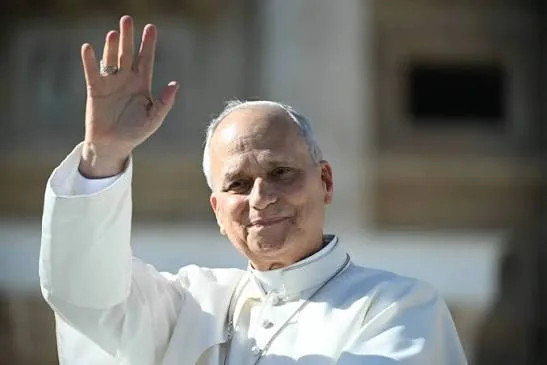
Pope Leo XIV has made papal history by becoming the first reigning pontiff to cast a ballot in an American general election. The Holy See Press Office confirmed that the 71-year-old bishop of Rome submitted a mail-in ballot in Illinois for the upcoming United States midterm elections. The Vatican noted that the vote reflects the pontiff's core conviction that participating in democratic life remains both a fundamental right and a civic duty for citizens worldwide.
The historic development marks the first time a leader of the global Catholic Church is recorded exercising political franchise while in office. Pope Leo XIV, formerly Cardinal Robert Prevost, made history in May 2025 when he was elected as the first United States citizen to assume the papacy. Vatican officials emphasised that he has consistently exercised his voting rights as an American citizen throughout his life, including during his prior decades of pastoral service in Peru.
Postal Ballot Registration and Official Confirmation Election authorities in Illinois verified the pontiff's participation in the electoral process. The Will County Clerk's Office confirmed that the pontiff requested an absentee ballot on October 3, registered through an address in New Lenox near his native Chicago. The ballot was delivered, completed, and returned through standard mail channels alongside thousands of ballots cast by overseas American electors.
The request was processed shortly before the pontiff underwent scheduled medical treatment in Rome, where surgeons successfully excised a lower lobe of his right lung following an early-stage cancer diagnosis. Following his discharge from hospital care on October 17, the pontiff resumed official audiences at St. Peter's Square and affirmed plans to proceed with a pastoral visit to Argentina, Uruguay, and Peru.
Catholic Social Teaching and Democratic Responsibility The Vatican reiterated that papal participation does not constitute a partisan endorsement of any individual political party or platform. Church spokespersons pointed to long-standing Catholic social doctrine, which instructs Catholic laypeople and religious adherents to take active responsibility for the common good through civic engagement.
During general audiences earlier this autumn, Pope Leo urged believers to avoid passive indifference toward political and community developments. He called on citizens to listen attentively and engage meaningfully in matters affecting human dignity, social welfare, and international stability.
The move carries distinct symbolic weight across the American political landscape, where debates over mail-in balloting and absentee voting procedures have remained contentious. By utilising standard postal voting channels from abroad, the pontiff demonstrated confidence in established statutory election machinery.
International Papacy and Global Political Dynamics The unprecedented ballot arrives amid delicate diplomatic relations between the Holy See and political leadership in Washington. Since ascending to the Chair of Peter, Pope Leo has delivered impassioned appeals regarding global conflict resolution, climate stewardship, and compassionate treatment for international migrant populations.
While historic popes frequently engaged with geopolitical leaders through concordats and international diplomacy, their status as sovereign rulers of the Papal States and later Vatican City precluded personal participation in external political elections. Pope Leo’s dual standing as head of the universal Church and sovereign of Vatican City, alongside his intact United States citizenship, introduces a novel dynamic into contemporary Church governance.
Vatican observers view the vote as an authentic expression of his personal background as a missionary and diocesan shepherd from the American Midwest. The act underscores how modern papal leadership continues to intersect with contemporary civic realities across the globe.