A Paris criminal court convicted three French police officers on Friday night for the violent assault of Black music producer Michel Zecler, delivering a rare judicial recognition of racial motivation in a police brutality case.
The three officers received five-year prison sentences with varying custodial terms and were handed lifetime bans from serving in law enforcement. The judges concluded a two-week trial by affirming that the officers beat Zecler inside his recording studio in November 2020 and subsequently fabricated an official report to conceal their actions.
Aurélien Lapersonne, 29, the officer who initiated the confrontation, was sentenced to five years with three years suspended, leaving two years of firm prison time under a delayed committal order. Patrol leader Philippe Tondeux, 50, received five years with three and a half years suspended, meaning he will serve eighteen months in detention. Pierre Plantier, 37, received five years with four years suspended, with his one-year custodial term to be served under electronic ankle monitoring.
Video Evidence Shattered False Arrest Report
The encounter began on November 21, 2020, during nationwide pandemic lockdown restrictions in Paris. The officers stopped Zecler outside his 17th arrondissement studio, alleging that he was not wearing a required face mask. When Zecler stepped inside his premises, the officers forced their way into the entrance and assaulted him.
Over several minutes, the officers struck Zecler with approximately 30 punches, kicks, and baton blows. The attack left the producer with serious head trauma, facial lacerations, torn tendons, and substantial psychological injury, leading doctors to order seventeen days of total incapacity for work.
In their initial incident report, the officers claimed that Zecler had assaulted them and attempted to seize their service weapons. That narrative fell apart days later when independent media outlet Loopsider published closed-circuit security camera footage from the studio and bystander phone recordings from across the street. The footage showed Zecler trapped in the vestibule offering little physical resistance while absorbing repeated strikes.
Court Upholds Racist Aggravation and Lifetime Bans
Throughout the trial at the Paris Criminal Court, the defendants acknowledged the physical violence and admitted that their original report contained false claims. However, they contested Zecler’s testimony that they had repeatedly directed racial slurs at him during the assault.
The judicial panel rejected the officers' denial, finding Zecler’s account consistent and credible when weighed against the objective video recordings. By formally retaining the legal aggravating factor of racism, the court imposed significantly stiffer penalties than those typically seen in French police misconduct proceedings.
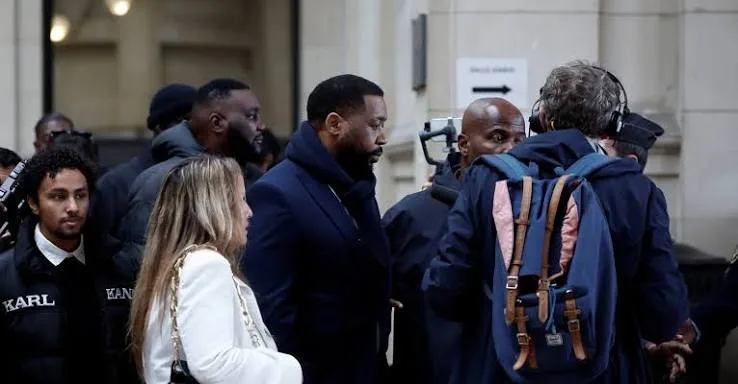
During the final day of proceedings, all three officers issued tearful apologies in the courtroom, expressing regret over their conduct and the reputational harm caused to the French National Police. Following the reading of the verdict, Zecler walked out of the courtroom to applause from family members and supporters, with defense counsel noting that the decision restored essential personal dignity after six years of legal scrutiny.
A Defining Reckoning for French Law Enforcement
The Zecler case first erupted in late 2020 alongside massive civil demonstrations against proposed security legislation that sought to restrict the publication of images showing on-duty police officers. The public release of the studio video proved instrumental not only in shielding Zecler from wrongful criminal charges but also in forcing a major governmental review of security camera deployment and internal oversight.
Civil rights advocates and legal researchers in France have long argued that institutional barriers and police culture make accountability for racial bias extraordinarily difficult to establish in court. Friday's decision marks an uncommon legal precedent where French judges explicitly recognized racist abuse committed by officers in uniform.
The ruling closes a six-year legal battle that came to symbolize broader questions about accountability, civil liberties, and the indispensable role of independent video documentation in modern public life.
Practical Tools for Civil Rights and Incident Documentation
Navigating confrontations with authority requires clarity, composure, and access to dependable legal resources. In an era where digital evidence plays a decisive role in judicial fairness, having verified legal tools and secure cloud-documentation platforms can safeguard fundamental civil protections.
Independent civic platforms and accredited legal assistance registries provide citizens with secure, timestamped record-keeping tools and rapid referrals to human rights attorneys. Understanding your statutory rights and utilizing trusted digital verification tools ensures transparency and accountability whenever formal disputes arise.