
McDonald’s Ends FIFA World Cup Partnership After 32 Years
Fast-food giant McDonald’s is concluding its 32-year global sponsorship of the FIFA World Cup as part of a major overhaul to its commercial marketing strategy. The decision follows lower-than-expected commercial returns from its expansive 110-country campaign during the 2026 tournament.
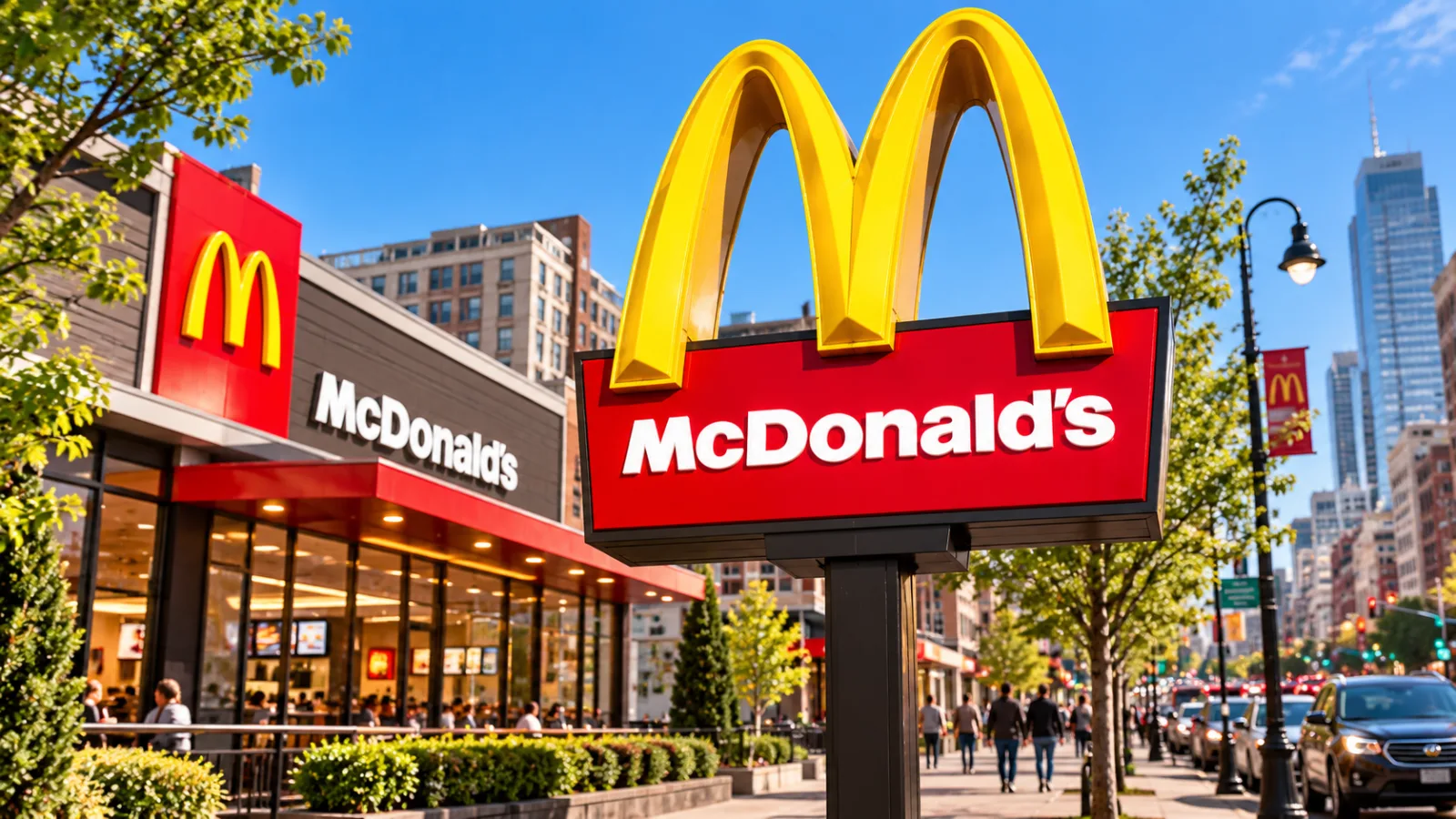
Global restaurant heavyweight McDonald’s ends FIFA World Cup partnership after three decades of high-profile tournament sponsorship, signaling a profound strategic shift toward in-house intellectual property and proprietary brand platforms.
The current commercial agreement will formally expire at the conclusion of 2026, closing a landmark relationship that began during the 1994 tournament in the United States.
The departure marks one of the most consequential corporate exits in modern sports business, ending the restaurant chain’s presence across stadium perimeter boards, player-escort programs, and worldwide tournament activations.
Weaker Campaign Returns Prompt Strategic Shift The decision comes directly after McDonald’s rolled out its largest marketing blitz in corporate history across more than 110 international markets during the summer tournament.
Created by agency partner Wieden+Kennedy New York, the initiative generated substantial consumer visibility and franchisee enthusiasm.
However, financial disclosures revealed that the massive investment failed to generate projected sales velocity. During the company’s second-quarter earnings call, Chief Financial Officer Ian Borden stated that although the campaign generated system excitement, it underperformed relative to management expectations.
Slower customer traffic in key domestic markets convinced leadership to redirect capital toward channels with sustained, year-round engagement rather than brief quadrennial tournament spikes.
Pivoting Toward Owned Platforms Over Mega-Events McDonald’s withdrawal reflects an evolving posture among major multinational advertisers toward global sporting bodies.
Corporate strategists increasingly favor proprietary characters, digital loyalty programs, and localized sports sponsorships over cost-intensive mega-event rights fees that restrict digital agility.
Company representatives clarified that the exit is strictly commercial and unrelated to governance controversies or leadership headlines surrounding world football’s governing body.
McDonald’s reaffirmed that it will maintain active investments in sports entertainment, prioritizing targeted athlete relationships, regional leagues, and digital media partnerships that support continuous customer interaction.
Broader Implications for Global Sports Sponsorship The loss of one of FIFA’s most recognized and dependable commercial backers presents a notable commercial hurdle for tournament organizers.
Global brands are scrutinizing traditional top-tier sponsorship packages, weighing nine-figure tournament rights fees against targeted creator networks, streaming collaborations, and direct-to-consumer digital channels.
FIFA is actively expanding its roster of regional supporters and emerging-market technology partners to diversify revenue streams.
Nevertheless, McDonald’s high-profile departure underscores growing boardroom demands for measurable sales conversion from legacy sports properties.
More on Business

Business
Wealthy Investors Move More Gold to Singapore Amid Global Uncertainty
23 Oct 2026
Business
JPMorgan Gets CBN Nod for Nigerian Merchant Bank, Final Licence Pending
23 Oct 2026
Business
Indonesian Stocks Tumble to Six-Year Low as MSCI Downgrade Warning Sparks Sell-Off
19 Oct 2026
Business
Dangote Refinery Pushes Nigeria’s Petrol Imports Down as Local Supply Hits 71%
26 Sept 2026
Business
Davido, Dangote Take Refinery IPO Global With Times Square Billboard Campaign
24 Sept 2026
Partner with Follow Global Trends
Display banners, sponsored stories and founder spotlights.
You may also like
Business
Dangote Refinery Cuts Petrol Price to ₦1,325 Per Litre
22 Sept 2026
Business
JPMorgan Deposits ₦50bn With CBN as It Seeks Nigerian Banking Licence
22 Oct 2026
Business
Guinness Nigeria’s Nine-Month Profit Jumps 53% to ₦40.69bn
22 Oct 2026
Business
SoftBank-Backed OPay Files for New York IPO, Eyes $4 Billion Valuation
14 Oct 2026
Business
Moove Exits Nigeria, Transfers ₦35 Billion Worth of Vehicles to Customers
8 Oct 2026
Business
Amazon AWS to Invest More Than $1 Billion in US Data Centre Communities Over Five Years
3 Oct 2026