
Indonesian Stocks Tumble to Six-Year Low as MSCI Downgrade Warning Sparks Sell-Off
Indonesia stocks hit a six-year low as MSCI’s downgrade warning fuels a sell-off, raising fears of capital outflows and renewed investor uncertainty.
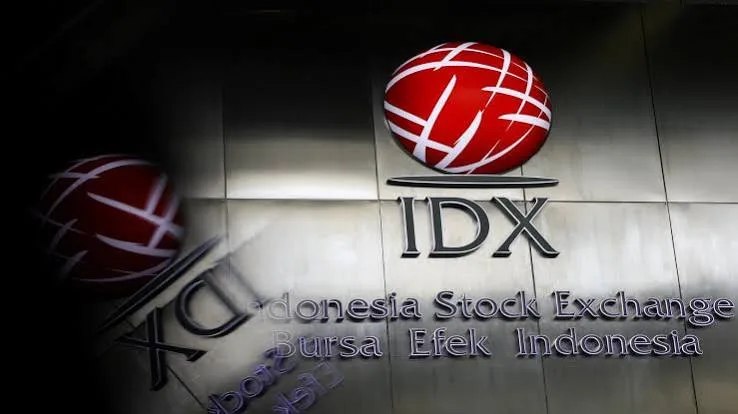
Indonesian shares slumped to a six-year low on Monday, October 19, extending a sharp sell-off triggered by concerns that global index provider MSCI could reclassify the country’s stock market from emerging-market to standalone status, a move that could force international funds tracking its indexes to reduce or withdraw their exposure.
The Jakarta Composite Index fell as much as 5.4% in early trading to 4,907.37 points, its lowest level since 2020, according to market reports. The decline followed Friday’s plunge of more than 11%, the benchmark’s steepest one-day fall since January 1998, deepening losses in one of the world’s weakest-performing equity markets this year.
The immediate trigger was MSCI’s warning last week that Indonesia could face a more severe downgrade than investors had previously anticipated. The index provider raised concerns about the transparency of share ownership, the ability of investors to assess the market accurately and alleged coordinated trading practices. It said these issues raised questions about whether Indonesia continued to meet the standards expected of an emerging market.
A shift to standalone status would have significant implications because many international investment funds use MSCI indexes to guide their portfolios. Indonesian stocks could be excluded from those benchmarks, potentially prompting further selling by funds that track them and making it more difficult for local companies to attract overseas investment.
Estimates of the possible outflows vary according to the assumptions used. Goldman Sachs analysts cited by Dow Jones Newswires estimated that a full MSCI removal could trigger about $5.6 billion in passive investment outflows, with a further $2.7 billion potentially at risk if FTSE Russell made a similar move. These are estimates of possible consequences, not confirmed withdrawals.
Indonesian authorities have moved to contain the fallout. The Indonesia Stock Exchange said it would meet MSCI on Monday to seek clarification about the concerns behind its warning and to explain reforms already undertaken by the country. The exchange also reduced the maximum permitted daily decline for individual stocks from 15% to 7% through the end of the year, subject to review, in an effort to curb extreme price movements.
The market turmoil has also heightened pressure on Indonesia’s broader financial assets. The rupiah weakened amid the sell-off, while government bond yields rose, reflecting investor caution as uncertainty over the country’s market classification intensified. The equity downturn has added to a difficult year for Indonesian shares, which had already recorded substantial losses before MSCI’s latest announcement.
MSCI’s review is not yet a final decision. Feedback on the proposed reclassification is due by April 30, 2027, with a decision expected by June 30, according to reports on the consultation. The interval gives Indonesian authorities time to address the index provider’s concerns, but the latest market reaction illustrates that investors are already weighing the potential consequences.
The episode puts the focus on market transparency, regulatory enforcement and the ability of investors to establish who ultimately owns listed companies and how shares are traded. For Indonesia, Southeast Asia’s largest economy, the stakes extend beyond a temporary stock-market decline: continued access to major global investment benchmarks can influence how easily its companies attract international capital, while confidence in the fairness and reliability of its markets remains central to that access.
More on Business

Business
Dangote Refinery IPO Draws Trillions in Investor Interest as Offer Gets Two-Week Extension
13 Oct 2026

Business
Dangote Says Banks’ Systems Crashed Minutes After Refinery IPO Opened
21 Sept 2026
Business
Ghana’s Economy Grows 6% in Q2 as Communications Sector Powers Recovery
10 Sept 2026
Business
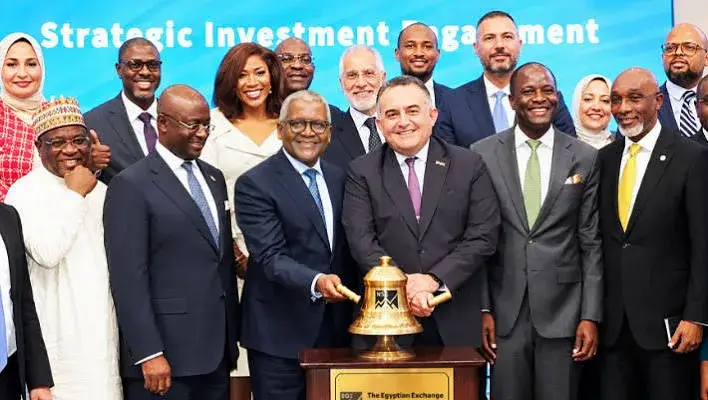
Dangote Refinery IPO Attracts Investors From 51 African Countries
19 Oct 2026
Business
Banks Lead as Nigerian Companies Raise ₦2.45 Trillion on NGX
18 Oct 2026
Partner with Follow Global Trends
Display banners, sponsored stories and founder spotlights.
You may also like

Business
Bumble Agrees to $1.3 Billion Buyout as Revenue and Paying Users Fall
14 Oct 2026

Business
SoftBank-Backed OPay Files for New York IPO, Eyes $4 Billion Valuation
14 Oct 2026
Business
Dangote Refinery’s Profit Soars to $4.7bn as ₦2.15tn IPO Deadline Moves to October 27
13 Oct 2026

Business
Moove Exits Nigeria, Transfers ₦35 Billion Worth of Vehicles to Customers
8 Oct 2026

Business
Elon Musk’s Fortune Jumps $65 Billion in One Day to Hit $1.04 Trillion
7 Oct 2026
Business
Sino Mart Set to Take Over Former Shoprite Space at Enugu’s Polo Park Mall
7 Oct 2026