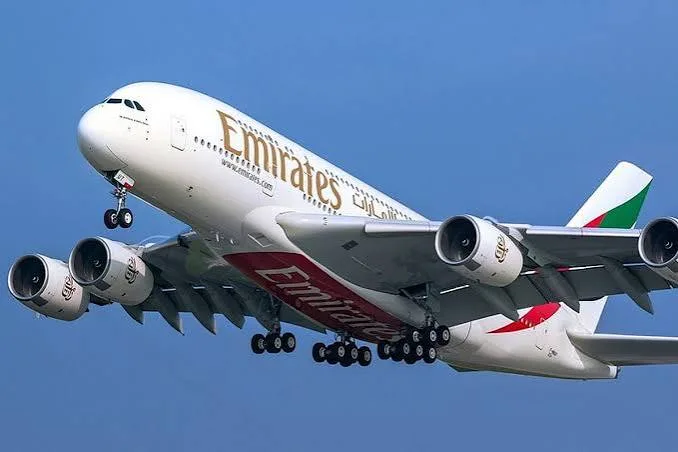
The Dubai-based Emirates Group has navigated complex operational challenges across the Middle East to deliver a profitable first half of its financial year. Demonstrating operating agility in a demanding trading environment, Emirates posted Dh3.6 billion H1 profit after tax, alongside pre-tax earnings of Dh4.1 billion.
Group revenue reached Dh66.2 billion for the six-month period ending September 30. Although net profit contracted 66 percent from the unprecedented peaks achieved during the previous fiscal cycle, the carrier maintained solid liquidity and operational continuity across its international flight corridors.
Why Emirates Posts Dh3.6 Billion H1 Profit Under Pressure
Commercial aviation across the Gulf region encountered severe disruption over the past six months due to military tensions and active conflict zones. Civil aviation authorities frequently closed airspace across parts of the Levant and Western Asia, disrupting scheduled flight paths.
To protect passengers and crew, the airline implemented extensive rerouting around restricted airspace. These diversions required longer flying times, increased aircraft maintenance intervals, and raised jet fuel consumption. Compounded by elevated war-risk insurance premiums and temporary station suspensions, operating expenditures rose significantly across the entire aviation sector.
Cargo Momentum and International Booking Resilience
Despite localized route adjustments, global consumer appetite for international travel remained healthy. The carrier sustained high passenger seat load factors on flagship intercontinental trunk routes connecting Europe, North America, East Asia, and Australasia through its Dubai hub.
Air cargo operations provided crucial balance-sheet support throughout the half-year term. Ongoing maritime shipping bottlenecks and regional security threats prompted shippers to shift priority freight to air transport. Emirates SkyCargo capitalized on the surge, expanding scheduled and charter frequencies to move pharmaceuticals, electronics, and perishable goods at elevated freight yields.
Strategic Fleet Modernization and Market Outlook
Looking toward the remainder of the fiscal year, group leadership confirmed continued capital investment in long-term fleet development. The carrier continues to take delivery of next-generation widebody aircraft while advancing extensive cabin retrofit programs across its existing fleet.
Industry analysts emphasize that generating multi-billion-dirham profits under sustained geopolitical friction underscores Dubai’s enduring strength as a global transit crossroads. Ongoing fleet modernization and flexible network management position the carrier to capture rapid demand growth as regional conditions stabilize.