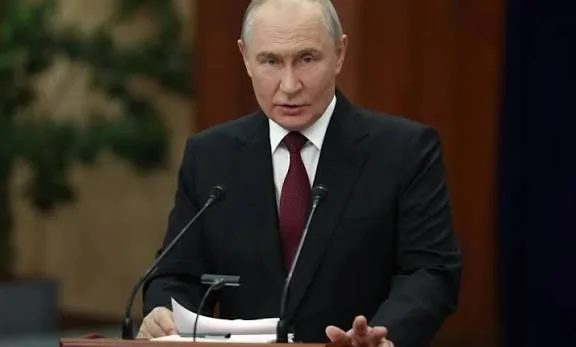
Russian President Vladimir Putin has ordered a 72-hour halt in military strikes on Kyiv, a temporary pause the Kremlin says is intended to coincide with the arrival of US special envoys Steve Witkoff and Jared Kushner for high-level talks aimed at reviving stalled peace negotiations.
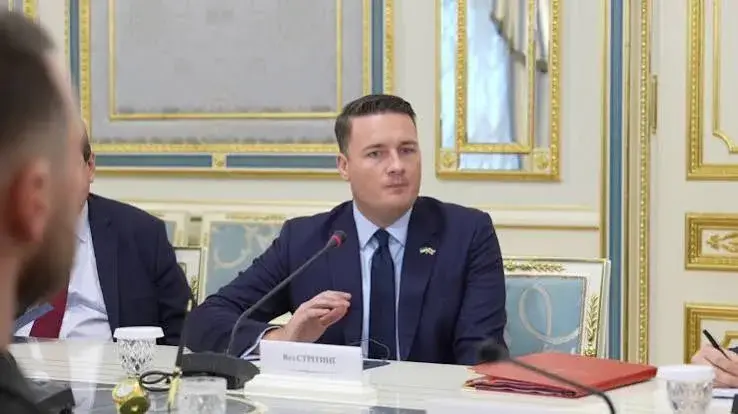
Kremlin spokesman Dmitry Peskov said the suspension will begin at midnight and remain in effect for three days, describing it as a decision linked directly to preparations for the American delegation’s diplomatic mission. The envoys are expected to meet Putin in Moscow before travelling to Kyiv for separate discussions with Ukrainian President Volodymyr Zelenskyy.
The announcement follows one of the most intense periods of aerial warfare in recent months. Russia has carried out sustained drone and missile attacks on Kyiv and other Ukrainian cities, while Ukraine has stepped up long-range drone strikes targeting military and energy infrastructure inside Russia. Just a day earlier, Russian attacks struck Kyiv’s Security Service headquarters, further escalating tensions ahead of the diplomatic visit.
The Kremlin has presented the pause as a goodwill gesture designed to create conditions for meaningful dialogue. However, it has not announced a broader ceasefire, and the suspension applies only to strikes on the Ukrainian capital rather than nationwide military operations.
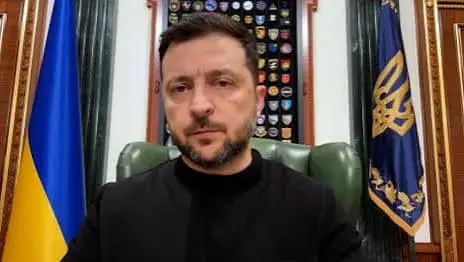
Ukraine has welcomed renewed diplomatic engagement but remains cautious about Moscow’s intentions. President Zelenskyy has repeatedly argued that any genuine path to peace must include sustained pressure on Russia and credible security guarantees, while Ukrainian officials have warned against interpreting temporary pauses as evidence of a lasting shift in Kremlin policy.
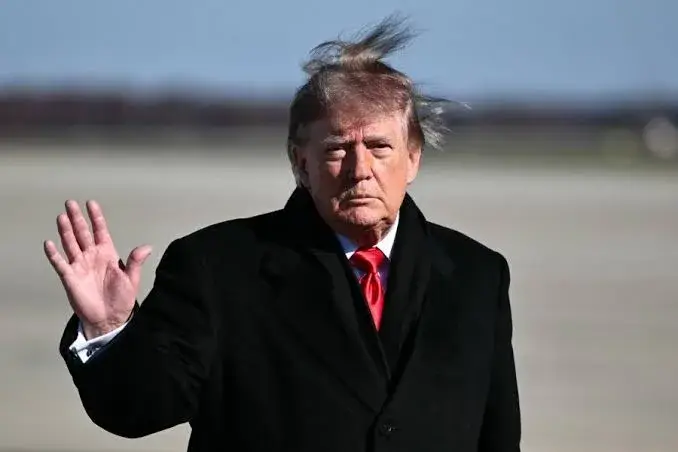
The Witkoff–Kushner mission represents one of the Trump administration’s most significant diplomatic efforts since returning to office. The two envoys are expected to explore possible confidence-building measures after previous US-mediated negotiations failed to produce a comprehensive ceasefire, despite agreements on prisoner exchanges and limited humanitarian initiatives earlier this year.
Even as diplomacy resumes, the humanitarian toll of the war continues to mount. Civilian casualties, infrastructure damage and repeated attacks on urban centres have left both sides deeply entrenched, making any breakthrough increasingly difficult despite growing international calls for de-escalation.
The three-day pause is unlikely to end Europe’s longest-running conflict, but it offers a rare diplomatic opening after months of escalating violence. Whether it becomes the foundation for wider negotiations, or simply another brief interruption in the fighting, may depend on what emerges from the high-stakes meetings in Moscow and Kyiv.