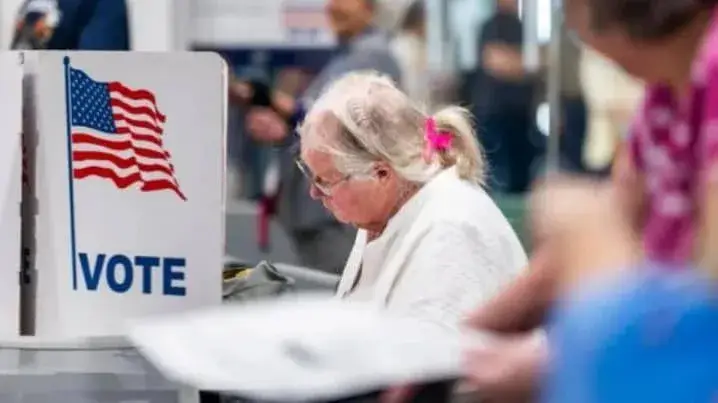
A bruising set of defeats in the 2026 midterm elections has scrambled the Republican Party’s internal hierarchy. The outcome has opened an early and aggressive contest for the 2028 presidential nomination.
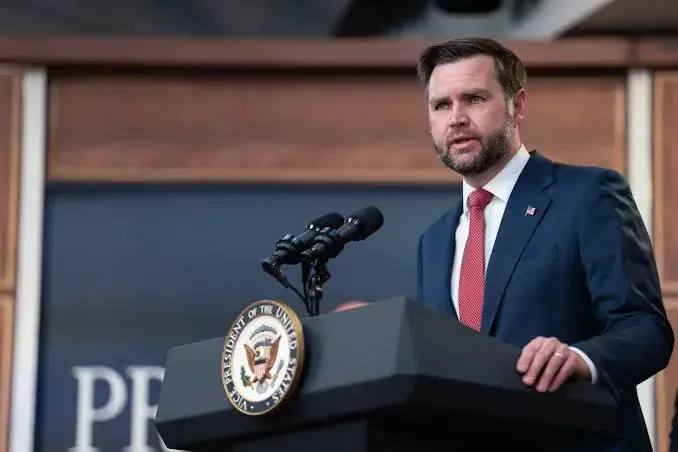
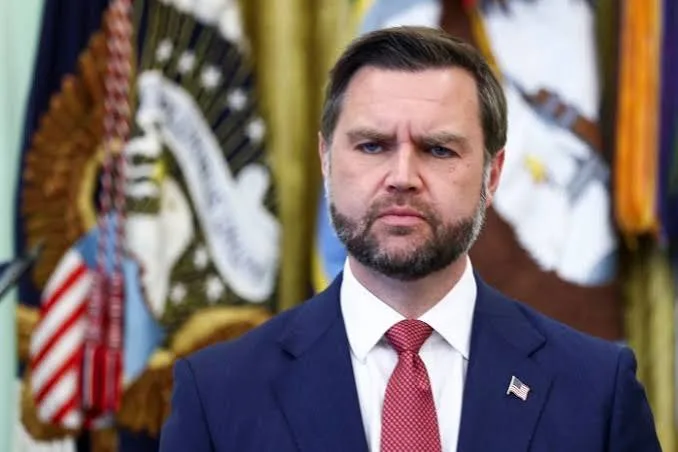
For nearly two years, Vice President JD Vance stood as the presumptive heir to the conservative movement. However, sweeping Democratic victories in both chambers of Congress have weakened that coronation narrative.
Party strategists and prospective candidates now view Vance as politically vulnerable. Across key states, high-profile Republicans outside Washington are already testing donor appetite and sounding out senior campaign operatives for primary campaigns.
Key Rivals Prepare Presidential Exploration
The shift in political momentum became evident almost immediately following election night. Florida Governor Ron DeSantis launched a visible public media tour in recent days, signalling renewed national ambitions after completing his gubernatorial tenure.
In Georgia, Governor Brian Kemp is privately weighing a White House bid, according to people familiar with his planning. Kemp built a durable coalition in a critical battleground state and has long maintained an independent political brand outside Washington.
Meanwhile, Texas Senator Ted Cruz has begun discussions with veteran campaign strategist Jeff Roe to structure a potential national campaign apparatus. Advisers note that Cruz views his legislative tenure and strong grassroots standing as a viable alternative for delegates seeking a battle-tested conservative nominee.
The Administration's Post-Election Dilemma
The midterm results created an acute political challenge for figures closely tied to the administration. Vance actively barnstormed for dozens of congressional candidates in battleground districts, expending considerable political capital on competitive races that ended in defeat.
Some party figures have pointed to international friction, economic pressures, and foreign policy disputes as factors behind the voting shift. In public remarks following the vote, Vance attributed down-ballot headwinds in part to ongoing Middle Eastern tensions and prolonged military commitments.
Yet critics within the party argue that voters delivered a direct referendum on governing performance. Veteran strategists note that any candidate serving in the West Wing must balance loyalty to current policies against the political necessity of winning swing voters in a national general election.
Secretary of State Marco Rubio faces similar crosscurrents. Long regarded as another heavyweight contender for 2028, Rubio must now navigate the political fallout from foreign crises alongside his Cabinet responsibilities.
An Unsettled Primary Calendar Ahead
The emergence of serious challengers ensures that the upcoming primary cycle will not follow a predictable script. Party donors who had previously remained on the sidelines are taking meetings with alternative contenders across the country.
Conservative movement leaders emphasize that a robust primary debate is now inevitable. Activists argue that national elections require candidates to build fresh coalitions rather than relying on assumed political succession.
With the next presidential primary debates still months away, the shadow campaign has officially begun. Potential challengers are assembling staff, visiting early voting states, and preparing to contest every lane of the conservative electorate.