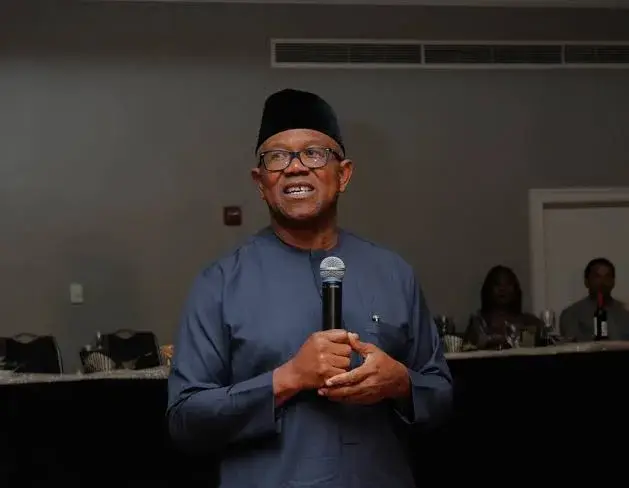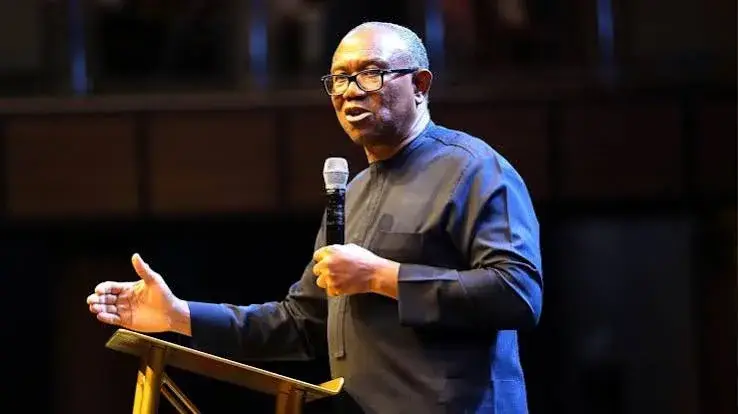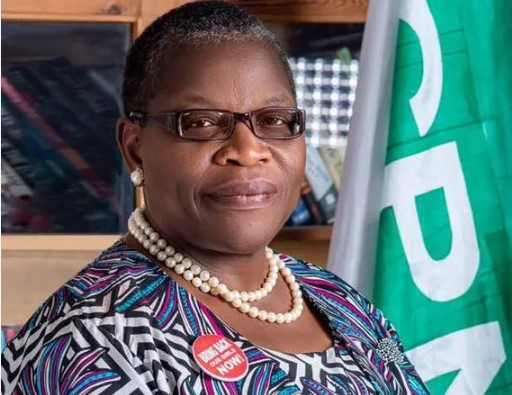
Former Education Minister Oby Ezekwesili has reaffirmed her support for Peter Obi ahead of Nigeria's 2027 presidential election, saying her assessment of the former Anambra State governor remains unchanged.
Ezekwesili made the declaration during an appearance on Arise TV's Prime Time programme on Monday, where she discussed Nigeria's political direction, governance challenges and what she believes needs to change before the next presidential election.
The former World Bank vice president said she reached her decision by applying the same leadership criteria she used during the 2023 election. In her assessment, she said Obi continued to rank above the other leading candidates on the qualities she considers necessary for effective governance.
“In 2023, I made it very clear” that Obi ranked higher based on those criteria, she said, adding that she had not seen anything that had “really significantly changed.”
But Ezekwesili was careful to place her support for Obi within a much wider argument about Nigeria's future.
She warned against turning the 2027 election into a personality contest centred entirely on Obi or any other politician. For her, the more important question is whether Nigerians can build a political system capable of restoring human dignity, strengthening institutions and delivering better governance.
“Don't make this about Peter Obi,” she said. “I don't want us to personalise. I'm interested in the construct.”
That distinction is central to Ezekwesili's latest intervention.
Rather than presenting the next election as a simple contest between individuals, she argued that Nigeria needs a deeper national conversation about its political structure, shared values and the relationship between citizens and the state.
She described the country's current situation as the product of a political “design” that can be challenged rather than an unavoidable national destiny. According to her, Nigerians have become too accustomed to deteriorating conditions and must reject the idea that the country's problems cannot be changed.
Ezekwesili also criticised what she described as the declining value placed on human life and dignity in Nigeria, arguing that repeated elections alone would not solve the country's deeper problems.
Her comments come as political activity around the 2027 presidential election begins to gather momentum, with opposition parties and political figures positioning themselves well ahead of the vote.
Obi's political standing remains one of the major issues in that emerging contest. The former Anambra governor, who finished third in the 2023 presidential election, has maintained a significant following, particularly among younger Nigerians and voters demanding political and economic change.
Ezekwesili's endorsement therefore adds another prominent voice to the political conversation surrounding his potential 2027 bid.
But she also acknowledged that winning an election against an incumbent comes with significant challenges, particularly given the financial resources, political structures and institutional advantages typically available to a ruling party.
She nevertheless argued that voters can create a political turning point when they become sufficiently dissatisfied with the direction of the country.
The former minister's comments also reflect her longstanding emphasis on governance rather than personality-driven politics.
She called for a broader national conversation that could establish shared values and a common vision for Nigeria, arguing that the country has never fully addressed some of the fundamental questions surrounding its identity and constitutional structure since independence.
She believes such a conversation should eventually inform a new constitutional arrangement and a stronger social contract between citizens and government.
Her intervention also comes with a warning to the political class and the electorate.
Ezekwesili argued that economic hardship can force citizens to focus on immediate survival, making them vulnerable to short-term political inducements. But she maintained that Nigerians must ultimately think beyond the immediate election cycle and demand a system that works for them over the long term.
For Obi, the challenge will be converting the goodwill surrounding his political movement into a sufficiently broad national coalition capable of winning across Nigeria's diverse political landscape.
Ezekwesili herself acknowledged that such a task would require more than speeches or enthusiasm. She described the work as technical, strategic and granular, suggesting that political mobilisation must be matched by a clear organisational and governance strategy.
Her renewed backing therefore comes with an important qualification: supporting a candidate is not the same as believing that one candidate alone can fix Nigeria.
As the 2027 contest begins to take shape, Ezekwesili's message is that the election should be used as an opportunity to confront the deeper failures of the Nigerian political system.
For now, her position is clear. If the major presidential choices remain broadly similar to those of 2023, she says Peter Obi would still get her vote.
But the larger question she wants Nigerians to answer is whether they are prepared to vote not merely for a politician, but for a fundamentally different direction for the country.