The United States has spotlighted Nigeria’s fashion industry as a high-growth channel to expand bilateral trade and direct investment. Diplomatic officials in Lagos confirmed the commercial push, pointing to creative enterprise as a vital engine for economic diversification.
The bilateral strategy aims to create direct links between Nigerian design houses and American commercial buyers. Officials noted that expanding cross-border fashion exports provides a proven pathway to create skilled jobs and boost foreign exchange earnings.
Opening Export Corridors to Global Buyers
Commercial planners emphasized that access to international consumer markets offers Nigerian fashion houses unprecedented scale. Recent economic data indicates that American shoppers spend over $560 billion annually on clothing and footwear alone.
Capturing even a modest share of that demand could transform domestic textile supply chains and garment production hubs. Bilateral discussions centered on lowering customs friction, improving intellectual property safeguards, and connecting local creators with major retail distribution networks.
At the same time, American retail brands view Nigeria’s surging youth population as an entry point into West Africa. Partnering with established domestic designers allows foreign investors to build sustainable footholds in the continent's largest creative market.
Celebrating 15 Years of Runway Enterprise
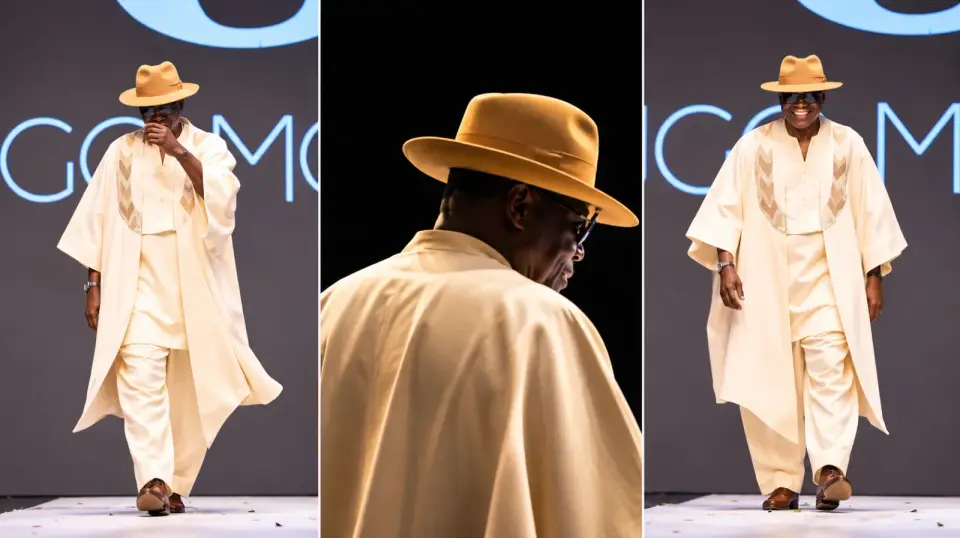
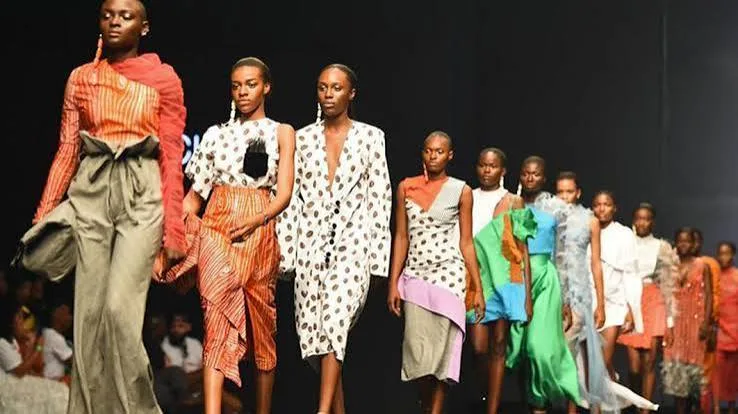
The trade announcement coincided with the 15th anniversary of Lagos Fashion Week, widely regarded as the cornerstone of Africa's contemporary runway scene. Founded in 2011, the annual event has helped move African tailoring and indigenous textiles from boutique markets into global department stores.
Diplomatic leaders praised domestic organizers for creating an enduring commercial bridge that links talent with capital. The showcase has grown from a local exhibition into an international trade destination attracting buyers from Europe, North America, and across Africa.
Cultural figures, tech founders, and manufacturing executives joined bilateral talks in Lagos to explore wider creative intersections. Attendees reviewed emerging digital initiatives, including mobile interactive software designed to connect virtual styling with physical retail orders.
Navigating Production and Infrastructure Hurdles
Despite strong international demand, Nigerian fashion exporters continue to navigate structural headwinds at home. Industrial garment producers face high energy expenses, volatile foreign exchange rates, and transport bottlenecks at regional ports.
Trade analysts observe that raw material sourcing remains a critical bottleneck. While creative styling draws global acclaim, local designers frequently depend on imported fabrics and specialized trims due to gaps in domestic cotton mills.
Addressing these supply chain constraints is central to upcoming bilateral trade workshops. Proposed technical assistance programs aim to modernize local textile mills, enhance digital payment settlements, and improve export compliance standards under preferential trade programs.
What Lies Ahead for Creative Trade
The fashion trade initiative signals a broader diplomatic shift toward service-led and creative economic cooperation. Bilateral delegations plan to host targeted trade missions linking West African apparel houses with commercial department store buyers.
Industry associations expect pilot export shipments to roll out over the coming quarters. If commercial barriers ease, Nigeria's apparel sector could emerge as a leading non-oil export pillar, proving that culture and enterprise can drive resilient economic growth.