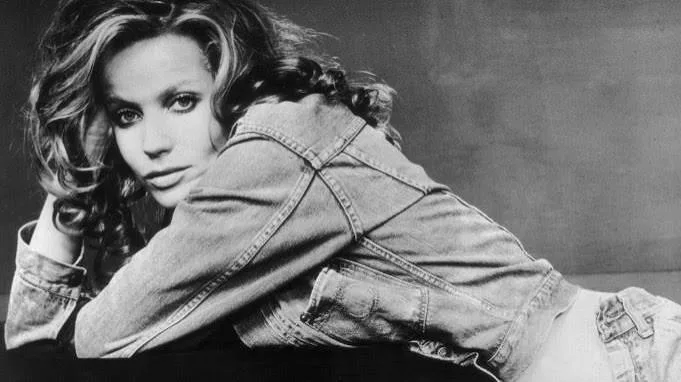
Vera von Lehndorff, the German aristocrat, artist, and actress universally celebrated as fashion’s first true supermodel under the single name Veruschka, has died at the age of 87.
Her family confirmed that she passed away peacefully at her home in Berlin on Tuesday, November 24, 2026, surrounded by close relatives and friends. An official family statement described her as an extraordinary woman, a pioneering artist, and an enduring worldwide cultural icon.
Rise of a Cultural Phenomenon and Antonioni's 'Blow-Up'
Standing six feet tall with an athletic, commanding presence, Veruschka transformed the visual landscape of 1960s high fashion.
She exploded into global consciousness following her unforgettable cameo in Michelangelo Antonioni’s 1966 cult mystery film Blow-Up. The electrifying photography sequence captured the kinetic energy of "Swinging London" and propelled her to international stardom.
She soon became the definitive muse of legendary fashion photographers, including Richard Avedon, Helmut Newton, and Irving Penn.
Under the editorial direction of Diana Vreeland at Vogue, Veruschka appeared on dozens of magazine covers worldwide. Her adventurous spirit helped popularise iconic trends, notably Yves Saint Laurent’s groundbreaking safari jacket look.
From Wartime Tragedy to Global Reinvention
Born Countess Vera Gottliebe Anna von Lehndorff-Steinort on May 14, 1939, in Königsberg, East Prussia, her early life was marked by historical trauma.
Her father, Count Heinrich von Lehndorff, was a key figure in the July 20, 1944 plot by German military officers to assassinate Adolf Hitler. Following the failed attempt, the Gestapo arrested her father and executed him at Berlin-Plötzensee prison.
The Nazi regime confiscated her family’s historic Steinort estate and sent five-year-old Vera and her sisters to an isolated detention home.
After World War II, the family lived in poverty as displaced refugees. When early modelling agencies in Europe found her height intimidating, she boldly reinvented herself in New York, adopting the mysterious Russian pseudonym "Veruschka" and taking total creative control over her image.
Pioneer of Body Painting and Performance Art
Veruschka consistently rejected the label of a passive model, viewing her body as a dynamic living canvas.
In the late 1960s and 1970s, she collaborated with artist and photographer Holger Trülzsch on groundbreaking body-painting projects. Using intricate camouflage paints, she blended her form into decaying brick walls, rusting iron, and natural stone textures.
Critics today recognise those conceptual transformations as foundational milestones in feminist performance art and self-directed photography.
Throughout her later years, she continued to exhibit artwork, support animal welfare initiatives, and make occasional runway appearances for designers including Karl Lagerfeld.
Her legacy survives through her sister, jewellery designer Catharina Kappelhoff-Wulff, her extended family, and an incomparable visual archive that permanently altered the relationship between fashion, photography, and fine art.