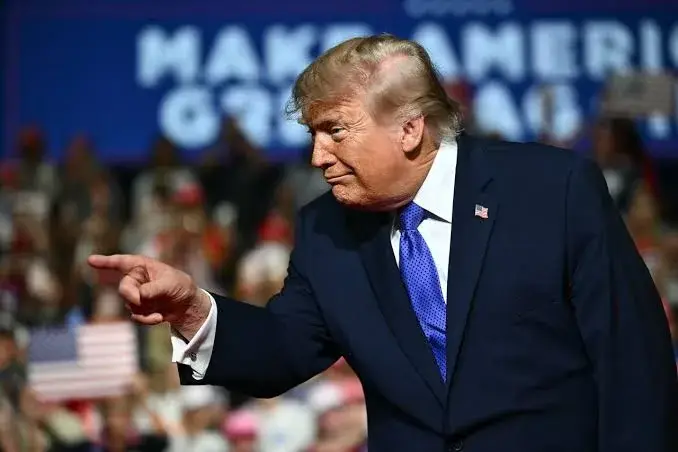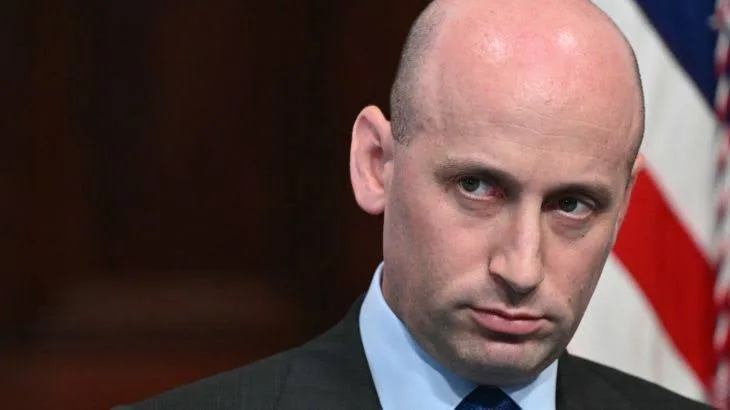
In a significant leadership realignment, Donald Trump names Stephen Miller new White House chief of staff, entrusting executive operations to one of his longest-serving and most trusted political confidants.
The appointment comes after Susie Wiles submitted her resignation on Thursday evening, concluding her tenure as the 32nd White House Chief of Staff. Miller, who has served as deputy chief of staff for policy, will formally take over the post on Monday, November 9, 2026. Official statements confirmed that Wiles will transition to lead operations within the president’s wider political network, maintaining an active advisory connection to the administration.
Rapid Realignment Inside the West Wing
The White House chief of staff is widely regarded as one of the most demanding and powerful positions in the United States government. The officeholder serves as the gatekeeper to the Oval Office, manages hundreds of executive staffers, arbitrates internal disputes, and drives the president’s legislative and administrative agenda across all federal agencies.
As Donald Trump names Stephen Miller new White House chief of staff, the administration is preparing for a new phase of governance. Wiles had been recognised across Washington for bringing structural discipline and methodical organization to executive affairs. Her move back into political leadership allows the White House to install a top lieutenant focused strictly on uncompromising policy execution.
Administration officials quickly voiced support for the personnel change. Senior cabinet figures publicly commended Wiles for her dedicated public service while expressing enthusiasm for Miller's elevation, describing him as a determined leader prepared to execute the president's governing vision without hesitation.
A Decade at the Core of the Policy Apparatus
Miller’s political relationship with the president spans more than a decade, dating back to early 2016 when he joined the initial presidential campaign as a senior policy adviser and speechwriter.
Over subsequent years, Miller established himself as the premier architect of the administration’s domestic policy framework. He played a central role in designing strict border enforcement protocols, revamping federal immigration regulations, and challenging agency bureaucracy through targeted executive actions. Later, he founded legal and advocacy groups to contest federal policies in court, sharpening his command over administrative law.
Colleagues and conservative advocates view Miller as an institutional insider who possesses rare insight into the mechanics of executive branch power. His elevation guarantees that the administration's core platform will remain central to daily decision-making across all federal departments.
Strategic Priorities and Legislative Headwinds
The West Wing leadership change unfolds at a decisive political moment. With the balance of power shifting on Capitol Hill following the latest national elections, the executive branch anticipates intense legislative friction and aggressive congressional committee oversight.
By placing a steadfast ideological ally in the top staff role, the White House is signaling that it intends to adopt a firm, proactive defense of presidential authority. Rather than moderating its stance, the administration appears poised to leverage executive orders, departmental rule-making, and regulatory adjustments to push its economic, border security, and deregulation goals forward.
Miller will spend the weekend finalizing his senior management structure before formally convening senior staff on Monday morning to establish operational priorities for the months ahead.