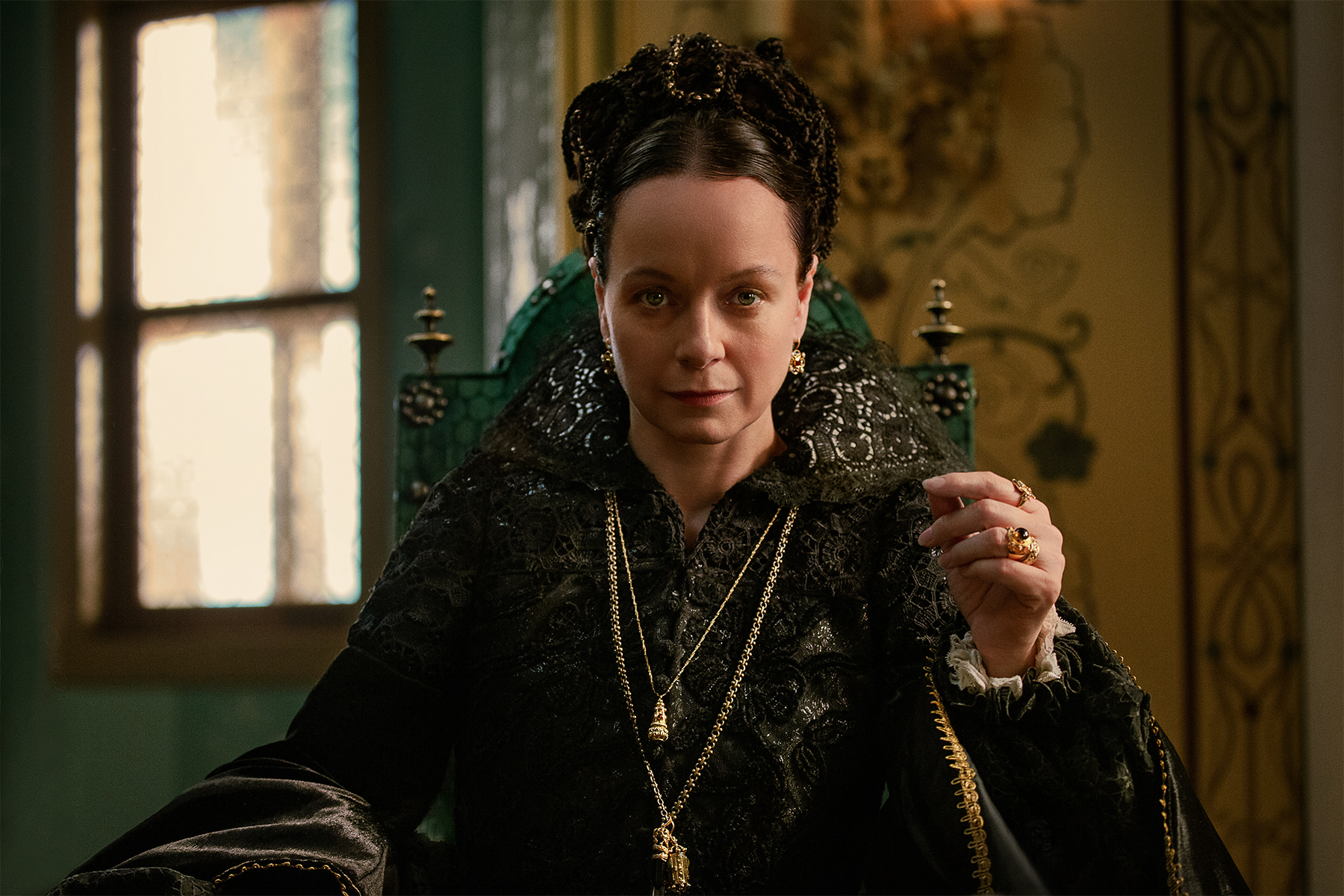
Award-winning British actress Samantha Morton has reignited the conversation about age discrimination in the film industry after revealing that she has not secured a single acting role in the year since completing Christopher Nolan's blockbuster The Odyssey, despite widespread praise for her performance.
Speaking on the Happy Sad Confused podcast, the 49-year-old actress said she believes age has become a major obstacle to finding work in Hollywood. Morton, a two-time Academy Award nominee, explained that although she has experienced representation and continues to receive strong reviews, opportunities have become increasingly scarce as she approaches 50.
"I haven't worked for a year since making The Odyssey," Morton said, adding that while she still considers herself a capable actor, "at the end of the day, I'm 49." Her remarks have resonated across the entertainment industry, where many see them as further evidence of the unequal opportunities older actresses face compared with their male counterparts.
Morton's comments are particularly striking given the critical reception she has received for her portrayal of Circe in The Odyssey. Several reviewers singled out her performance as one of the film's standout achievements, yet the acclaim has not translated into new casting opportunities. She described the experience of working with Christopher Nolan as a career highlight, revealing that she became emotional when she learned she had been selected for the role after years of hoping to collaborate with the acclaimed filmmaker.
The actress's remarks have reignited a long-running debate over ageism in Hollywood, particularly the challenges faced by women as they grow older. While many leading male actors continue to headline major studio productions well into their 60s and 70s, actresses have frequently argued that meaningful leading roles become significantly harder to find once they reach middle age. Industry observers say the disparity reflects longstanding casting practices that continue to favour younger women for high-profile projects.
Morton, however, made it clear that she has not lost faith in her profession. She said she expects to continue acting well into her 80s and remains optimistic that meaningful opportunities will come. Rather than viewing her current situation as the end of her career, she described it as one of the realities of an industry undergoing significant change, where competition for quality roles has become increasingly intense.
Her comments have found support among fans and fellow performers on social media, many of whom argue that Hollywood's pursuit of youth often overlooks the experience and artistic depth that veteran actors bring to the screen. The discussion also arrives as studios face growing calls to improve diversity, not only in terms of race and gender, but also age representation in front of and behind the camera.
For readers of FollowGlobalTrends.com, Samantha Morton's story extends beyond one actress's career. It raises broader questions about how success is measured in modern entertainment and whether critical acclaim alone is enough to sustain a career in an industry driven by commercial expectations and evolving audience preferences. As Hollywood continues to redefine itself, the debate over age, opportunity and representation is likely to remain one of its most enduring conversations.