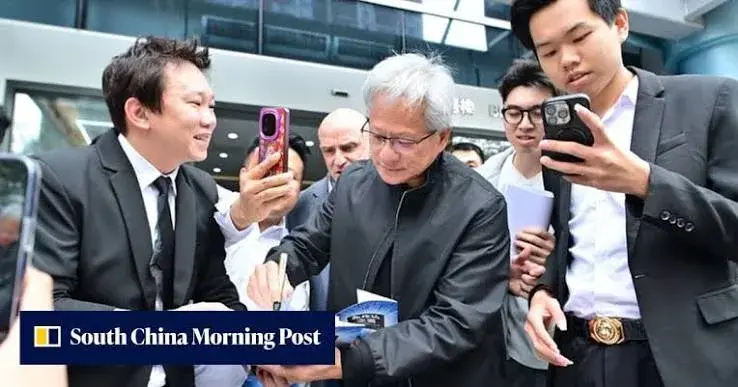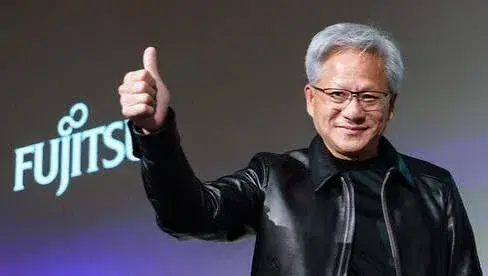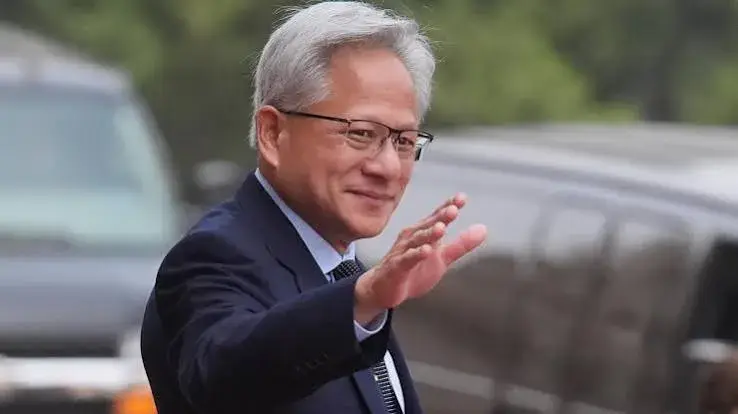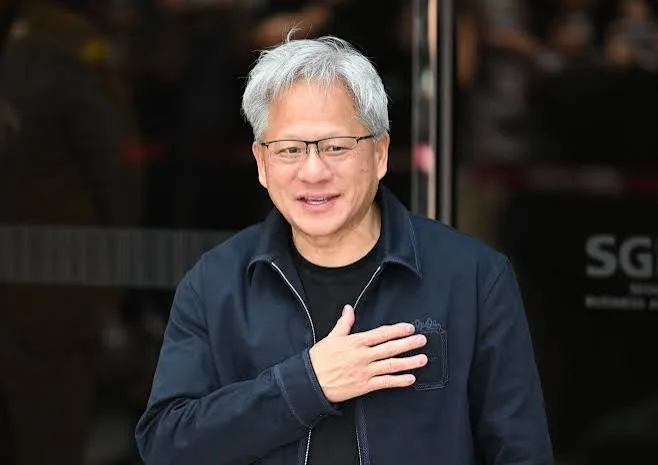
Jensen Huang addressed Nvidia employees during an hour-long company-wide meeting on Tuesday, November 24.
The meeting came just one day after the company's board reinstated him as president and chief executive officer.
According to CNN, which cited a source familiar with the meeting, Huang apologised to employees and acknowledged violating the company's code of conduct.
He described the gathering as one of the hardest company meetings he had ever attended.
Huang also spoke about the personal consequences of his actions.
"I made some terrible mistakes," he reportedly told employees, according to CNN's account of the meeting.
He acknowledged hurting his family and apologised for the situation that had affected the company.
The meeting marked his first major opportunity to address staff following a leadership crisis that lasted nearly two weeks.
His return has attracted attention across the technology industry because Nvidia plays a central role in the global artificial intelligence market.
Why Jensen Huang left Nvidia and returned
Huang's leadership crisis began with reports about alleged extramarital relationships and concerns surrounding his personal conduct.
On November 12, 2026, Nvidia's board accepted his resignation.
Reports surrounding the departure included allegations of relationships with women connected to the company's business environment. One woman was reportedly suspected by US officials of having links to Chinese intelligence.
Those intelligence-related claims remain subject to investigation. They should not be treated as established proof that Nvidia's information was compromised.
Huang subsequently acknowledged being unfaithful to his wife and apologised to his family and colleagues.
In a November 17 statement, he accepted responsibility for his personal mistakes and said he would cooperate with the board's independent investigation.
At that point, the board said it did not intend to reinstate him.
However, the position changed days later.
On November 23, Nvidia announced that its board had unanimously reinstated Huang as president, CEO and board director.
The company said its decision followed discussions with him and input from senior US government officials.
Board chairman Harvey C. Jones said the directors were satisfied with Huang's candour and ability to lead the company.
The board also said it had received assurances that his reinstatement posed no national security risk.
Huang discusses therapy and the company's code of conduct
During Tuesday's meeting, Huang spoke openly about seeking help through therapy.
According to WIRED, he told employees that he attends therapy for an hour and a half every day.
He said the sessions had been helping him.
He also addressed the company's code of conduct, which sets expectations for employee behaviour.
Huang reportedly acknowledged that he had violated standards he expected others to follow.
He argued that breaking the code should not automatically result in dismissal. Instead, he said management should consider the facts and circumstances surrounding each situation.
That explanation raises an important question about how companies apply workplace rules to senior executives.
Employees may reasonably expect the same standards to apply regardless of someone's position or influence.
Huang also addressed concerns about his management style.
He acknowledged that his intensity could sometimes disempower employees, even though he believed his demanding approach helped drive the company's performance.
According to WIRED, he said he needed to find a better balance between dedication and the effect his behaviour had on colleagues.
He also committed to undergoing a 360-degree performance review, allowing people working with him to provide feedback on his leadership.
The proposed review is significant because it introduces a formal way for employees to assess the conduct of the company's most powerful executive.
Nvidia faces questions about leadership and accountability
Huang's return has not ended the questions surrounding Nvidia's leadership.
The company's board has said its independent investigation into the foreign intelligence concerns will continue.
It has also established a National Security and Export Control Committee to oversee related risks.
Nvidia is seeking a new chief compliance officer to oversee company-wide compliance matters.
These steps suggest that the board intends to address governance concerns beyond Huang's personal conduct.
The political dimension has also attracted attention.
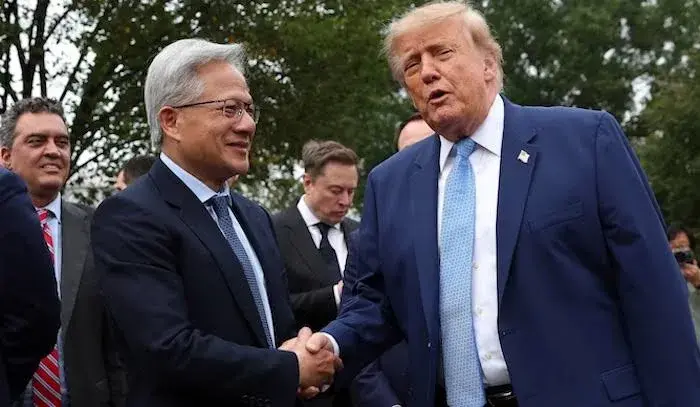
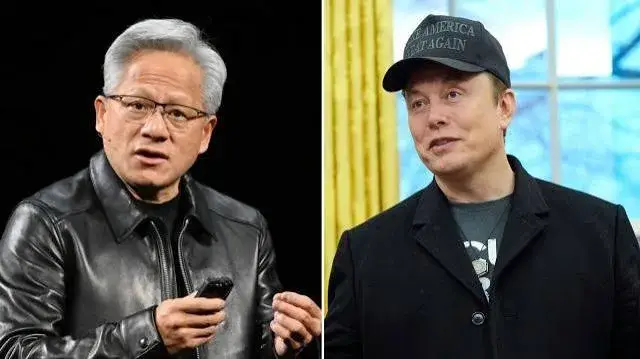
US President Donald Trump publicly claimed he had helped secure Huang's return, saying he had appealed to the company's board.
Huang rejected the suggestion that Trump's intervention determined the decision.
He maintained that the board reviewed the circumstances and made its own assessment.
The contrasting accounts have added another layer to the controversy, particularly because Nvidia's technology is important to US economic and national security interests.
For Nvidia, the immediate challenge is maintaining confidence among employees, investors, customers and government partners.
Huang remains one of the most influential figures in the technology industry. His leadership helped build Nvidia into a major force in graphics processing and artificial intelligence computing.
However, his return now comes with renewed attention to corporate governance and personal accountability.
The board's investigation, Huang's promised leadership review and the company's response to employee concerns will help determine whether this latest chapter restores confidence in its leadership.