Global Ride-Hailing Giant Uber Pulls Out of Nigeria After Business Review
The global mobility company says it has made the difficult decision to wind down its Nigerian operations with immediate effect.
Uber has officially exited Nigeria after 12 years of operation, bringing to a close one of the country’s most influential ride-hailing stories and leaving millions of riders and drivers without access to the platform that helped transform urban transportation.
The company announced on Wednesday that it would wind down its operations in Nigeria effective September 2, 2026, describing the move as the result of a thorough review of its business. The decision ends Uber’s presence in one of its earliest African markets, where it launched in Lagos in 2014 before expanding to other major Nigerian cities.
In a farewell message to customers, Uber thanked Nigerians for embracing the platform over the past decade, saying it had been a privilege to connect passengers with independent transportation providers for everything from daily commutes to family visits and city travel. The company acknowledged that the shutdown would disrupt users’ routines and apologized for the inconvenience, adding that its Help Centre will remain available until September 23 to handle outstanding account-related enquiries.
Uber did not disclose a specific financial reason for its departure, saying only that the decision followed a broader business review. However, industry observers note that the company’s exit comes after years of mounting operational challenges, including disputes with drivers over fares and commissions, rising operating costs, intense competition within Nigeria’s ride-hailing market and recent disagreements over airport transport regulations.
The Federal Airports Authority of Nigeria had recently clarified that it had not imposed a blanket ban on Uber or other e-hailing services, explaining that ongoing discussions were aimed at creating a licensing framework for commercial transport operations within airport premises rather than excluding digital mobility platforms altogether.
Uber’s departure reshapes Nigeria’s competitive mobility landscape, where rivals including Bolt and several indigenous platforms are expected to compete more aggressively for drivers and passengers. For thousands of drivers who depended on the app for income, the announcement also raises immediate questions about migration to alternative platforms and the stability of earnings in an increasingly crowded market.
Although Uber is leaving Nigeria, the company has stressed that the decision is limited to Nigeria and Uganda and does not affect its operations in other African countries, reaffirming its broader commitment to the Sub-Saharan African market.
Uber’s exit marks more than the end of a business operation, it closes a chapter in Nigeria’s digital economy. The platform helped introduce app-based transportation to millions of Nigerians, changed consumer expectations around urban mobility and inspired a generation of local technology startups. Its departure now creates space for homegrown competitors while highlighting the complex commercial realities of operating in one of Africa’s largest but most demanding markets.
More on Business
Business
MTN Channels N2.7trn Into Nigerian Suppliers as Local Procurement Hits 62%
31 Aug 2026
Business
PZ Cussons Nigeria Profit Soars 348.7% to N45.17bn, Declares N2.50 Dividend
31 Aug 2026

Business
Nigeria, Canada Move to Deepen Trade Ties as Musawa Leads Delegation to Toronto
31 Aug 2026
Business
Guinness Nigeria Shuts Down Delisting Rumours, Bets on Growth
18 Aug 2026
Business
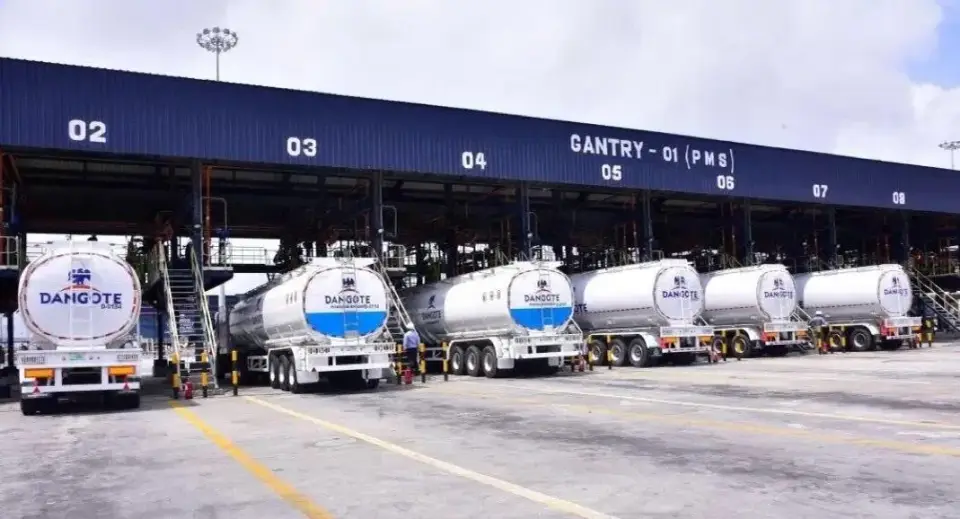
Dangote Refinery Cuts Petrol Price to ₦1,325 Per Litre
22 Sept 2026
You may also like
Business
Nigerian Breweries Goes Debt-Free as Cash Generation Jumps 264% in H1
9 Sept 2026

Business
Nigeria’s Biggest Banks Ease FX Pressure With Higher Naira Card Dollar Limits
7 Sept 2026
Business
Nigerian Fintech OPay Moves Against Viral False Claims of Regulatory Closure
2 Sept 2026
Business
Manufacturing Now Accounts for 50.1% of Nigeria’s Industrial Output — NESG.
21 Aug 2026
Business
CBN Cuts MPR to 23% From 26.5% as MPC Signals Major Policy Shift
22 Sept 2026
Business
Peter Obi Endorses Ongoing Dangote Refinery IPO, Calls for Citizen Investment
18 Sept 2026