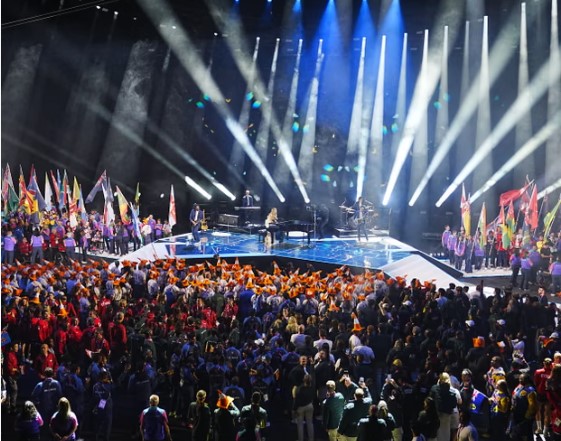
The curtain came down on the 2026 Commonwealth Games on Sunday as Glasgow wrapped up 11 days of elite sporting action with a colourful closing ceremony that celebrated outstanding performances, memorable moments and the resilience of an event that many feared would never take place.
Athletes from 74 Commonwealth nations and territories competed across 10 sports, producing world-class performances, emotional victories and inspiring comeback stories in what became one of the most talked-about editions of the Games in recent years. The event concluded with the ceremonial handover to Ahmedabad, India, which will host the centenary Commonwealth Games in 2030.
Australia once again stamped its authority on the competition, finishing comfortably at the top of the medal table with 70 gold medals and 171 medals overall. England secured second place, while Canada completed the top three. India finished fourth after an impressive campaign that yielded 39 medals, including 13 golds, underlining its growing strength across boxing, athletics, weightlifting and para sports.
The final day delivered several unforgettable performances. Scotland's Josh Kerr delighted the home crowd by winning the men's mile, just weeks after breaking the world record in the event. The victory added another remarkable chapter to what has already become one of the finest seasons of his career and provided Scottish fans with a fitting moment to celebrate on home soil.
The Games also produced new stars. Welsh cyclist Emma Finucane made history by becoming the first sprint cyclist to win four track cycling gold medals at a single Commonwealth Games, earning widespread recognition as one of the standout athletes of Glasgow 2026. New Zealand ended a 16-year wait for Commonwealth netball gold, while several smaller nations celebrated breakthrough performances, including Rwanda, which secured its first-ever Commonwealth Games medal.
Away from the competition, Glasgow itself emerged as one of the biggest winners. After stepping in to rescue the Games following Australia's withdrawal as host in 2023, the Scottish city delivered a streamlined but successful event using existing venues and a reduced programme. What initially appeared to be a logistical challenge ultimately became a demonstration of how major international sporting events can be organised more sustainably without sacrificing atmosphere or sporting excellence.
The closing ceremony reflected both celebration and transition. Scottish music, culture and tradition blended with vibrant performances introducing India as the next host nation, symbolising the passing of the Commonwealth Games flag to Ahmedabad for the 2030 centenary edition. Athletes, volunteers and officials were honoured for their contributions before fireworks brought the Games to an emotional close.
For sports fans, Glasgow 2026 will be remembered not only for medal counts but for its compelling rivalries, emerging champions and inspiring stories of perseverance. From world-class swimming and thrilling boxing contests to memorable athletics and para-sport performances, the Games once again showcased the depth of talent across the Commonwealth.
As attention now shifts towards Ahmedabad 2030, the Glasgow Games leave behind an encouraging legacy. They proved that even in the face of uncertainty, international sport retains a unique ability to unite nations, inspire future generations and produce moments that transcend competition.
For readers of FollowGlobalTrends.com, Glasgow 2026 was more than the end of another sporting event. It offered a glimpse into the evolving future of global sport where sustainability, inclusivity and emerging athletic talent are becoming just as important as medals themselves.