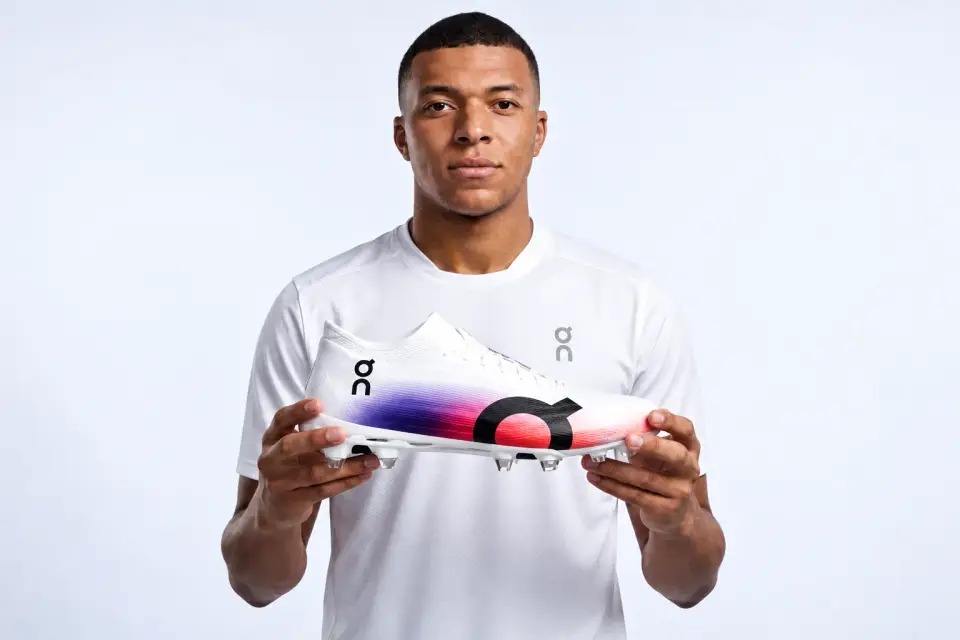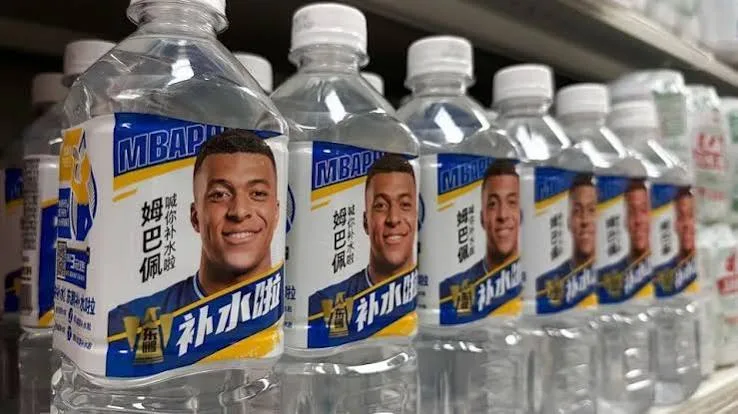
Leading Chinese brands drop Mbappe in rapid succession following intense criticism across mainland social platforms on Tuesday. Beverage conglomerate Eastroc Beverage Group and dairy powerhouse China Mengniu Dairy Company confirmed the immediate termination of their lucrative endorsement deals with the French national team captain.
The commercial storm erupted after video excerpts circulated from an interview on the show The Bridge, co-hosted by Mbappé's Real Madrid teammate Aurélien Tchouaméni. During the discussion, Mbappé chuckled while describing a humorous viral image frequently sent among his friends. He described the meme as having his face superimposed onto "some guy, I think it’s a Chinese dictator," trailing off as an image resembling Mao Zedong was shown.
Although Mbappé never identified Mao by name in the circulated footage, the comment touched a sensitive political nerve in mainland China, where imagery of the Communist Party's founding father is fiercely protected by domestic laws and public sentiment.
Corporate Backlash and Zero-Tolerance Statements Chinese corporate sponsors reacted swiftly to contain public anger. Eastroc Beverage Group, which featured Mbappé's portrait on its Bushuila electrolyte drink bottles in Beijing supermarkets, issued a public declaration terminating all commercial cooperation. The beverage giant stressed that it maintains a strict "zero-tolerance" policy regarding any conduct that offends national feelings.
Shortly after, China Mengniu Dairy, an official global sponsor of the FIFA World Cup, announced a matching separation. The dairy conglomerate issued a statement affirming that it firmly opposes any speech or behaviour that hurts the sentiment of the Chinese people, immediately pulling promotional material featuring the striker.
The controversy quickly surged to the summit of trending discussions on Weibo. Influential football communities, including platform Dongqiudi, issued formal statements condemning the remarks as disrespectful, prompting wider consumer calls to boycott both the player and club merchandise.
Neither Kylian Mbappé nor Real Madrid representatives have issued a formal public response, while unverified clips continue to be removed or censored across various domestic video platforms.
Cultural Hazards in Modern Global Sports Endorsements The sudden corporate divorce highlights the persistent commercial risks international athletes face when navigating strict sociopolitical sensitivities in the Chinese consumer market. Foreign sports figures and luxury fashion houses have previously faced swift boycotts over map depictions, historical remarks, or perceived cultural slights.
For Mbappé, the loss of major Asian endorsements represents a noticeable commercial blow just months into his high-profile career at Real Madrid. Endorsement contracts with major Chinese manufacturers had been central to expanding his image rights across the Asia-Pacific region following his departure from Paris Saint-Germain.
The swift cancellation also underscores how rapidly casual podcast conversations can trigger multimillion-dollar corporate penalties in interconnected international markets.
As retail outlets in China begin removing merchandise bearing his likeness, marketing analysts predict international sports agencies will enforce stricter media guidelines surrounding offhand commentary on historical and foreign political figures.