
Bus Shortages Disrupt Voting in Salvador and São Paulo on Runoff Day
Drastic municipal transit cuts left thousands of voters stranded at bus stops across Brazil’s largest cities on Sunday, October 25, 2026. Legal teams petitioned electoral courts to extend voting hours following claims that restricted bus fleets disenfranchised lower-income communities.
Widespread bus shortages disrupt voting in Salvador and São Paulo on Sunday as voters turned out for pivotal runoff elections across Brazil. Packed terminals, delayed routes, and empty garages triggered immediate political outcry and emergency judicial interventions. The disruptions raised deep concerns over voter disenfranchisement, particularly in working-class peripheral neighbourhoods where residents depend heavily on public transit to reach polling stations.
In response to the transit bottlenecks, legal representatives for President Luiz Inácio Lula da Silva filed urgent petitions with regional electoral tribunals and the Superior Electoral Court (TSE). The campaign formally requested an extension of voting hours until 7:00 p.m. in São Paulo, Salvador, Feira de Santana, and Lauro de Freitas. Campaign coordinators argued that suppressed bus fleets violated constitutional guarantees of equal ballot access on election day.
Thousands Stranded as Garages Hold Back Vehicles Across São Paulo, Brazil’s largest metropolis, municipal transit agency SPTrans operated only an estimated 60 percent of its regular weekday bus fleet during peak voting hours. The reduced operation occurred despite a binding court order requiring transit authorities to deploy 100 percent of the weekday fleet. Legal filings submitted to the Regional Electoral Court of São Paulo (TRE-SP) revealed that nearly 4,000 buses remained parked in municipal depots while voting lines swelled.
Voters in outlying districts such as Itaim Paulista reported waiting well over an hour at transit stops. SPTrans stated that it received the court notification with less than 12 hours of preparation time and maintained that its schedule already provided 40 percent more buses than a standard Sunday. Critics, however, pointed out that municipal turnstiles were legally required to operate at full weekday capacity to prevent logistical barriers to the ballot box.
The crisis proved even more severe in Salvador, Bahia, where civic monitoring teams reported public bus availability dropping by more than 50 percent compared to regular business days. Depots across the city reportedly held vehicles back until late in the morning. Inspections conducted by consumer protection agency Procon-BA identified dozens of roadworthy buses parked idle behind locked depot gates.
Judicial Fines, Arrest Warrants, and Campaign Clash The logistical crisis in the Bahia capital provoked swift legal retaliation from electoral authorities. The Regional Electoral Court of Bahia (TRE-BA) issued an emergency injunction ordering the immediate deployment of 100 percent of the municipal fleet. The court imposed a penalty of 1 million reais per hour of non-compliance against the Municipal Secretariat of Urban Mobility (SEMOB) and local private concessionaires.
Electoral magistrates also authorised a detention order for the municipal mobility secretary over contempt of court. City hall officials responded by stating the official was abroad on official business. Salvador municipal authorities claimed union activists caused delays by placing political stickers on buses, while opposing parties condemned the delays as intentional voter suppression designed to deter turnout.
Speaking to journalists in São Paulo on Sunday afternoon, President Lula strongly criticised local officials and private transport operators. He drew comparisons to the controversial road blockades carried out during the 2022 runoff election, insisting that working-class citizens must not be deprived of their right to vote due to transit negligence. Superior Electoral Court President Kassio Nunes Marques acknowledged transit friction in several urban centres but noted that electoral monitors were working with local authorities to normalise transit flows.
Constitutional Rights and Electoral Impact The controversy touches directly on recent precedents set by Brazil’s Federal Supreme Court (STF). In previous rulings, the highest court established that public administrations have an affirmative duty to supply free, frequent public transportation on election days. The court specifically cautioned that withholding free transit creates an economic barrier that disproportionately prevents lower-income citizens from exercising their democratic rights.
With voter turnout margins often determining high-stakes runoff races, transportation logistics remain a core pillar of electoral integrity. Electoral observers warned that failure to provide reliable transit corridors risks eroding public confidence in the electoral system.
As polls closed and ballot counting began, legal analysts noted that the transit failures could form the basis for further electoral challenges and administrative investigations into municipal managers and private bus contractors.
Institutional Governance and Enterprise Mobility Systems Managing municipal scale operations, public sector transparency, and automated urban infrastructure requires modern data governance frameworks. Founders and institutional directors can explore FGT Business Solutions to access executive strategy briefs, operational compliance toolkits, and infrastructure management insights designed for modern public and private sector leaders.
More on Politics
Politics
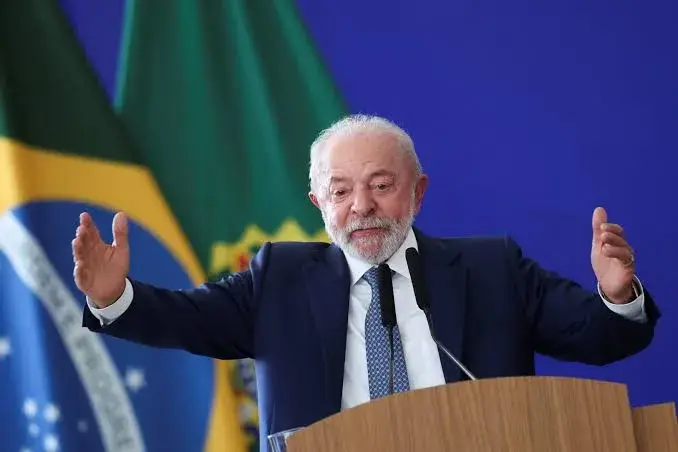
Brazil Cuts Fuel Taxes as Lula Faces Crucial Presidential Runoff
13 Oct 2026
Politics
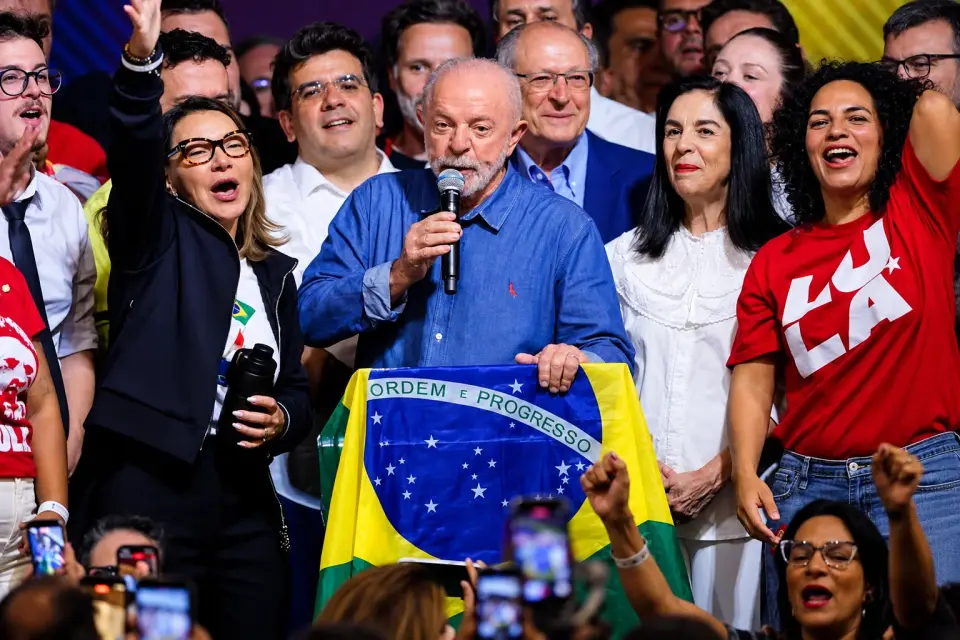
Brazil’s Lula Wins Fourth Term Over Flávio Bolsonaro
26 Oct 2026
Politics
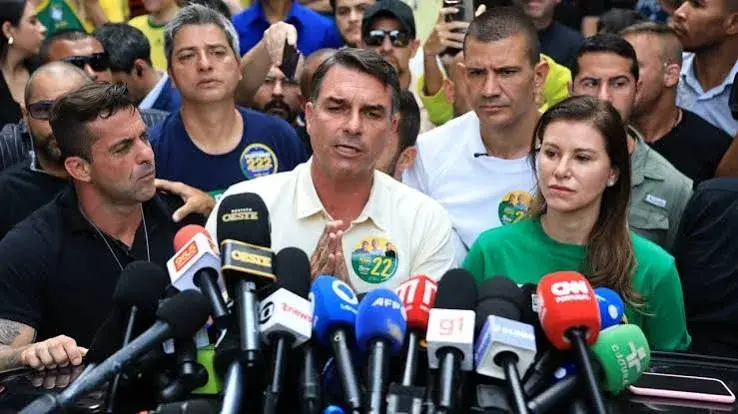
Brazil Election Shock: Flávio Bolsonaro Beats Lula in First Round
5 Oct 2026
Politics
NDC Unveils 2027 National Campaign Council
25 Oct 2026

Politics
Brazil Votes in Tight Run-Off Between Lula and Bolsonaro’s Son
25 Oct 2026
Partner with Follow Global Trends
Display banners, sponsored stories and founder spotlights.
You may also like

Politics
2027 Elections: Atiku Demands Access to Nigeria’s 103m Voters
23 Oct 2026
Politics
Nicki Minaj Joins Trump on Flight to Michigan Rally
25 Oct 2026
Politics
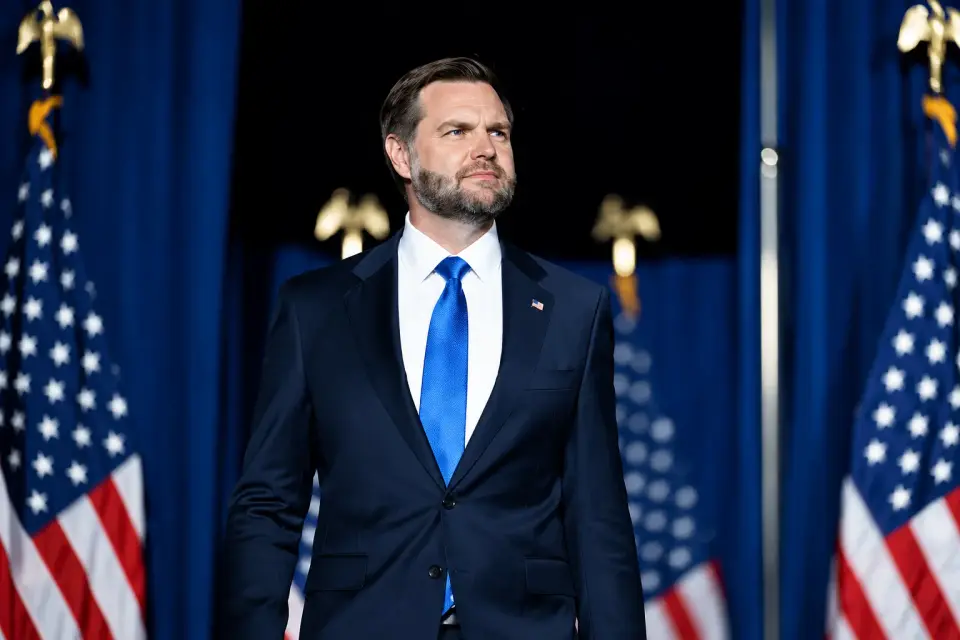
Vance Declines to Endorse Netanyahu Ahead of Israeli Election
21 Oct 2026
Politics
Oil-Rich Alberta Votes to Remain Part of Canada in Key Referendum
20 Oct 2026
Politics
Brazil Votes in Pivotal Election as Lula and Bolsonaro Rival Vie for Presidency
4 Oct 2026
Politics
Elon Musk Sets US Political Donation Record With $446 Million
25 Oct 2026