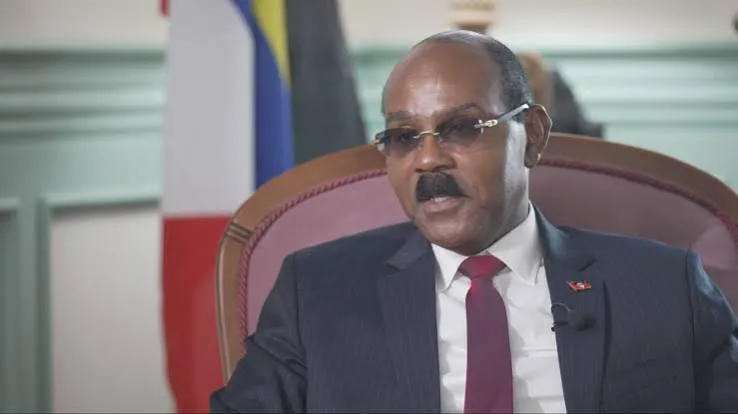
In an escalating diplomatic debate over colonial history, Antigua PM hits back at Badenoch over her refusal to support slavery reparations or state apologies.
Speaking in an international broadcast interview, Prime Minister Gaston Browne reacted forcefully to remarks from the newly elected British opposition leader, who argued that the United Kingdom should cease apologizing for its historical role in the transatlantic slave trade. Browne dismissed her viewpoint as fundamentally flawed, remarking that her resistance explains why she remains in opposition rather than serving in government leadership.
Clash Over Colonial Accountability and Apologies
The controversy intensified after Badenoch publicly argued that the Commonwealth should look forward rather than remain focused on past historical grievances.
Badenoch contended that Britain should not pay financial compensation for events that took place centuries ago. She also questioned whether Caribbean nations demanding redress would make similar requests of descendants of African merchants and historical rulers who participated in the slave trade.
Responding directly to those remarks, Browne stated that Caribbean leaders do not share her sentiments. He emphasized that rejecting the principle of reparatory justice ignores the enduring economic inequities created by centuries of uncompensated labor and colonial exploitation across the region.
The Argument for Reparations and Global Deterrence
Browne maintained that political resistance in London does not diminish the moral or legal necessity of financial restitution.
The Antiguan leader emphasized that Caribbean governments are not seeking to impose unmanageable financial burdens on British taxpayers. Instead, he proposed that reparatory funding could be allocated through the United Kingdom's existing overseas development assistance framework.
Beyond economic redress, Browne framed reparations as an essential deterrent under international law. He warned that allowing historical atrocities to go unaddressed without material compensation sets a dangerous global precedent, potentially signaling to modern actors that severe human rights violations carry no long-term institutional accountability.
Commonwealth Dynamics and Constitutional Reform
The sharp exchange comes as Caribbean Community member nations continue to present a coordinated front calling for structured dialogue on reparatory justice with British authorities.
While acknowledging the domestic political complexities facing British leaders over financial payouts, regional heads of government insist that symbolic statements alone cannot address generational underdevelopment. Caribbean leaders emphasize that formal talks must encompass technology transfer, health infrastructure support, and debt cancellation.
The dispute has also renewed public discussion surrounding constitutional sovereignty in the Caribbean, where several independent nations are advancing internal consultations regarding transitions toward republican status.