US Lifts Sanctions on Iraqi Airline, Signaling New Twist in Middle East Diplomacy
Sanctions Lifted on Iraqi Airline as Washington Recalibrates Regional Strategy.
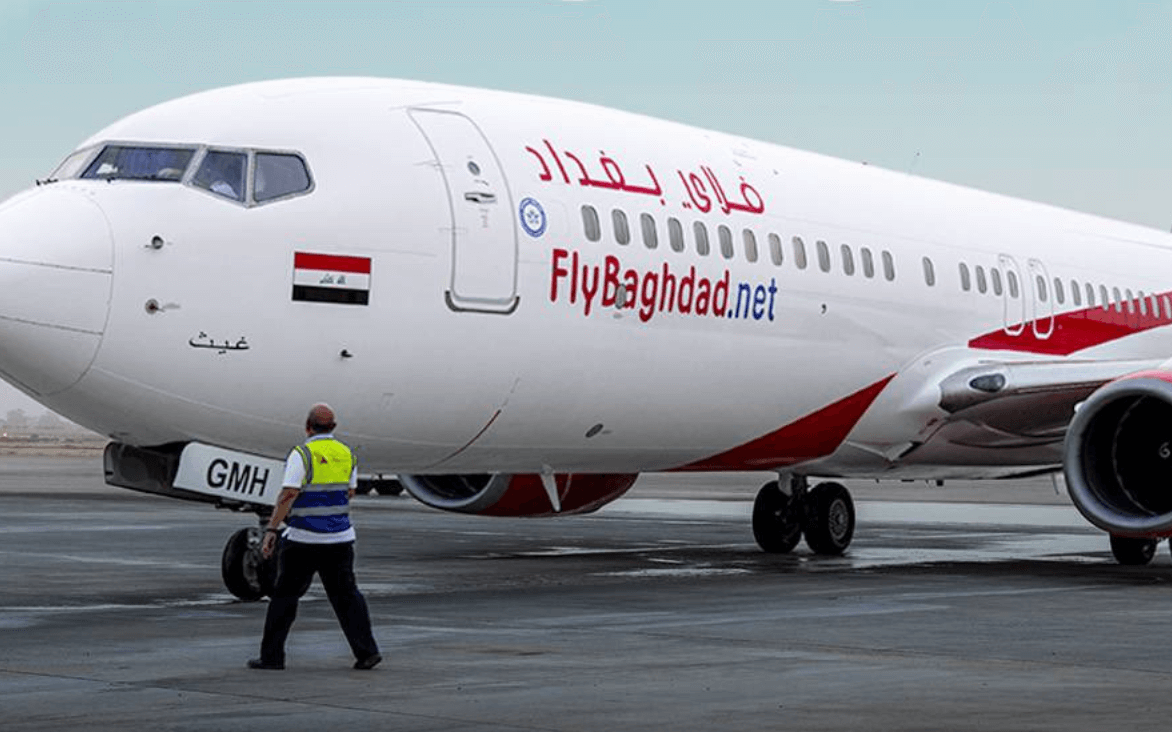
The United States has lifted sanctions on Iraqi carrier Fly Baghdad, reversing restrictions imposed more than two years ago over alleged links to Iran's Islamic Revolutionary Guard Corps (IRGC), in a decision that is drawing attention across the Middle East as Washington navigates a complex regional diplomatic landscape.
The U.S. Treasury Department announced that Fly Baghdad, Iraq Express and two Boeing 737 aircraft have been removed from its sanctions list following what officials described as significant changes in the airline's conduct. The sanctions, originally imposed in January 2024, accused the carrier of providing logistical support to the IRGC's Quds Force and affiliated groups operating in Iraq, Syria and Lebanon—allegations the airline consistently denied.
While easing restrictions on the airline, Washington stressed that the move should not be interpreted as a broader shift in its policy toward Iran or the Revolutionary Guards. U.S. officials said the decision followed an administrative review process in which the airline addressed conduct that had led to its designation. They also made clear that sanctions could be reinstated if future evidence warranted such action. Notably, sanctions remain in place against Basheer Abdulkadhim Alwan al-Shabbani, previously identified by U.S. authorities as the airline's owner.
The timing of the decision has nevertheless attracted scrutiny because it comes as diplomatic efforts continue to reduce tensions in the Gulf following months of conflict involving Iran, Israel and the United States. Although some observers have linked the move to broader regional negotiations, the U.S. Treasury has explicitly stated that the sanctions relief is unrelated to ongoing diplomatic discussions and does not signal any relaxation of Washington's position toward Tehran or the IRGC.
For Iraq, the development could prove economically significant. Fly Baghdad has faced severe operational challenges since the sanctions were imposed, limiting its access to international financial services and affecting its ability to expand routes and maintain parts of its fleet. Removing the restrictions could improve the airline's commercial prospects and strengthen Iraq's aviation sector at a time when the country is seeking greater regional connectivity and economic diversification.
The decision also highlights the flexibility built into the U.S. sanctions system. Rather than serving solely as punitive measures, sanctions can also be lifted when designated entities demonstrate what American authorities consider meaningful compliance or behavioural change. Analysts say the case illustrates how sanctions are increasingly being used as policy tools that can both pressure and incentivise organisations depending on evolving circumstances.
Despite the relief granted to Fly Baghdad, Washington continues to maintain extensive sanctions targeting Iran's military, financial and logistics networks. In recent weeks, the United States has announced additional measures against organisations accused of supporting Iran's aviation and military infrastructure, underscoring that its broader sanctions campaign remains firmly in place.
For readers of FollowGlobalTrends.com, the lifting of sanctions on Fly Baghdad is about more than one airline. It demonstrates how geopolitics, commerce and diplomacy increasingly intersect in today's world. Even as tensions persist across the Middle East, targeted policy adjustments can reshape economic opportunities, influence regional relationships and signal how governments are balancing pressure with pragmatic engagement in one of the world's most strategically important regions.