
US–Canada Trade Rift Deepens as Carney Tells Trump to ‘Stop Trying to Be Tough’
Canada’s prime minister says trade talks can resume only if Washington replaces insults and intimidation with serious negotiations.
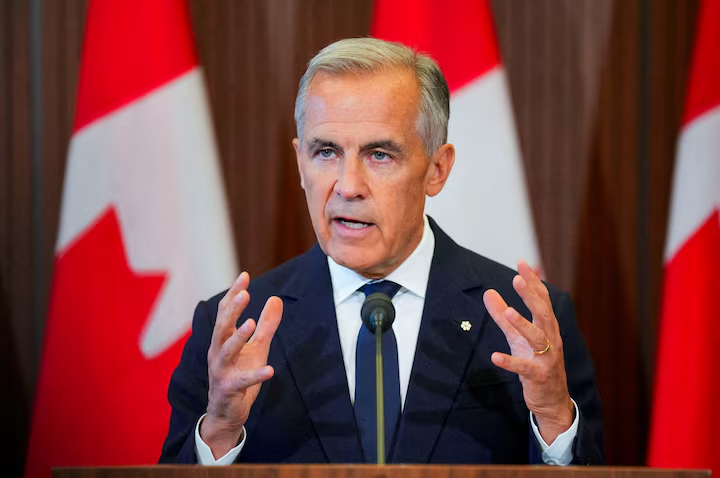
The bitter trade dispute between the United States and Canada has escalated into an increasingly personal diplomatic confrontation, with Canadian Prime Minister Mark Carney publicly urging President Donald Trump and his administration to “stop trying to be tough” and return to meaningful negotiations.
Carney made the remarks during a news conference in Ottawa after days of mounting tensions, accusing senior US officials of using social media memes, mocking comments and public insults instead of engaging constructively over trade. His unusually blunt response came after negotiations between the two countries collapsed, triggering a fresh round of tariffs and retaliatory measures.
“When the Americans stop doing memes, stop throwing shade and stop trying to be tough, and start being serious about having those discussions, we can have those discussions,” Carney said, adding that the current rhetoric was “not constructive.”
The breakdown in talks has already carried significant economic consequences. The Trump administration allowed new 50% tariffs to take effect on roughly $20 billion worth of Canadian exports, affecting products ranging from manufactured goods to industrial materials. Ottawa has responded by announcing equivalent retaliatory tariffs, arguing that it will not accept what Carney described as an unfair agreement that would weaken Canadian industries and undermine the country’s economic sovereignty.
According to Canadian officials, the negotiations unraveled after Washington introduced last-minute demands that extended beyond traditional market access issues. Ottawa says the proposed terms threatened protections for Canada’s automotive sector, cultural policies and French-language safeguards, while also seeking limits on the country’s future trade relationships with other nations. The United States disputes that characterization, insisting Canada walked away from a favorable deal.
The diplomatic row has been intensified by a series of provocative remarks from members of the Trump administration. Carney criticized comments targeting Canada’s military and dismissed personal attacks as unbecoming of public office, emphasizing that disagreements between allies should be resolved through respectful dialogue rather than public ridicule.
Despite the heated rhetoric, Carney insisted Canada has not closed the door on a new trade agreement. He said a mutually beneficial deal remains achievable, but only if negotiations are conducted on equal footing and without attempts to pressure Canada into accepting conditions that could gradually erode its domestic industries.
The dispute represents one of the most serious strains in US–Canada relations in decades. Although the two countries remain each other’s largest trading partners and much of their commerce continues under the USMCA framework, the latest tariff battle highlights how quickly economic disagreements can spill into broader diplomatic tensions. For businesses, workers and consumers on both sides of the border, the real challenge now is whether political brinkmanship gives way to compromise before the costs of the trade war deepen further.