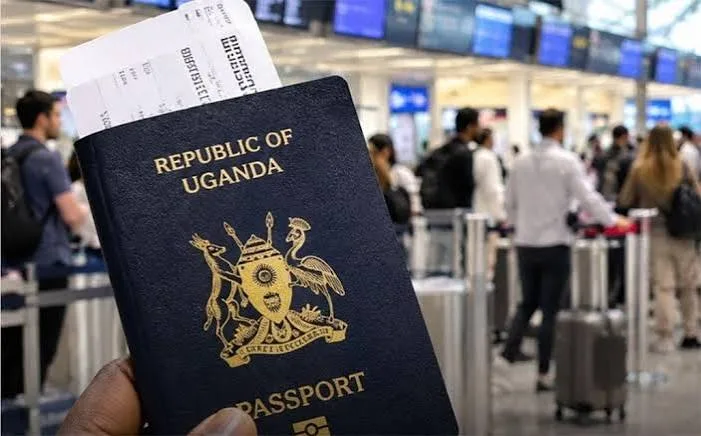
The United Arab Emirates has lifted its suspension on issuing new visas to Ugandan citizens, easing travel curbs introduced during a regional health alert earlier this year.
Under the updated guidelines, Ugandan nationals can once again apply for entry visas to the Gulf nation. Travellers must have spent at least 21 days outside Uganda before arriving in the UAE.
The decision follows Uganda’s certified containment of an Ebola outbreak, bringing welcome relief to thousands of migrant workers, commercial traders, and students.
Entry Resumes With a 21-Day Travel Window
The revised measures were announced jointly by the UAE’s National Emergency Crisis and Disaster Management Authority, the Ministry of Health and Prevention, and the Federal Authority for Identity, Citizenship, Customs and Port Security.
The Gulf state had paused visa issuance in early June 2026 as a precautionary step against cross-border disease transmission.
To balance economic reopening with public safety, authorities instituted a 21-day transition rule. The requirement mirrors the standard 21-day incubation period for the Ebola virus, ensuring travellers are monitored before arriving.
Priority Exemptions for Students, Diplomats, and Patients
The updated regulations also grant special exemptions for specific categories of travellers who do not have to wait out the 21-day period abroad.
Ugandan students who were enrolled in UAE academic institutions prior to June 2026 are permitted to return with their immediate family members under approved medical protocols.
Administrative staff at the Ugandan Embassy in the UAE, along with diplomatic and special passport holders, have also been granted entry clearance.
Humanitarian cases and individuals seeking specialized medical treatment in the UAE will be reviewed on a case-by-case basis through accredited health documentation.
Uganda’s Public Health Mobilization Contained the Virus
Uganda declared an outbreak of the Bundibugyo Ebola strain in mid-May 2026 after cases were detected near its western frontier, linked to cross-border movement from the Democratic Republic of the Congo.
Health authorities launched aggressive contact tracing, community isolation, and rapid laboratory screening across affected districts.
The World Health Organization and Uganda’s Ministry of Health declared the outbreak officially over on July 28, 2026, after completing the mandatory 42-day surveillance cycle with zero new infections.
While Uganda has maintained its virus-free status, the UAE confirmed that visa and entry restrictions remain in place for travellers arriving from the Democratic Republic of the Congo and South Sudan due to active regional transmission risks.
Economic and Social Relief for Gulf-Bound Ugandans
The resumption of visa processing removes a heavy economic bottleneck for both countries.
The UAE represents one of Uganda’s largest trading partners and a vital destination for expatriate labor, hosting over 100,000 Ugandan professionals, hospitality workers, and security personnel.
The five-month freeze had left recruitment drives paused and disrupted business trips between Entebbe International Airport and commercial hubs in Dubai and Abu Dhabi.
Officials in Kampala welcomed the reopening, stating that strict health screening protocols will continue at all ports of departure to maintain international confidence.