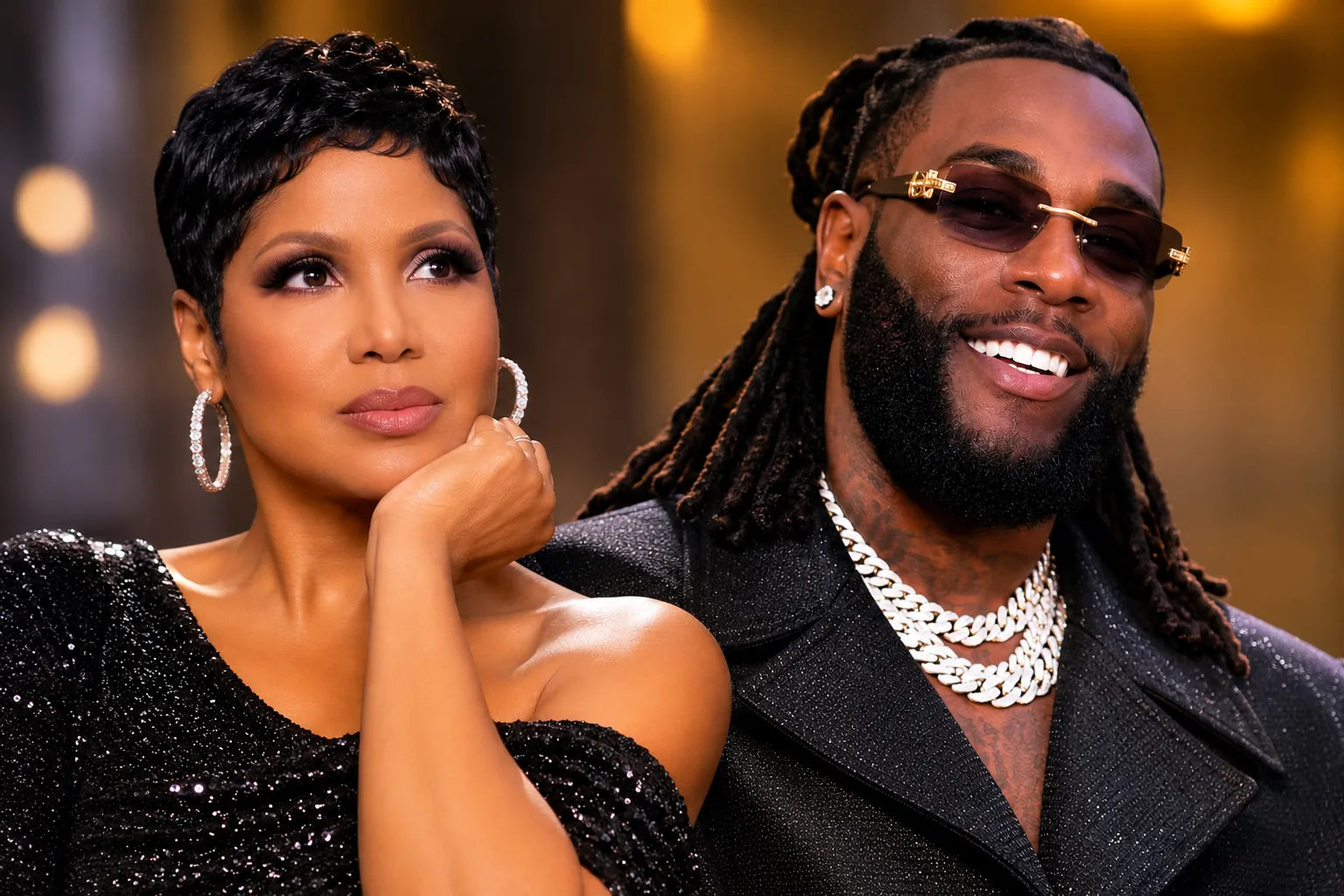
Fresh discussions across the global music industry have reignited after confirmation that Toni Braxton gets 60% of Last Last royalties from the streaming publishing share of Burna Boy’s hit track. The Nigerian singer, legally named Damini Ogulu, candidly explained how the prominent intellectual property agreement took shape during the creation of his fifth studio album.
The chart-topping single heavily interpolates the melodies of the American singer’s signature 2000 release, titled "He Wasn't Man Enough." While creating the track alongside long-time Nigerian record producer Chopstix, the Afrobeats pioneer prioritized securing legal clearance from the original songwriters over maximizing his personal publishing slice.
Rather than expressing regret over the lopsided division, the performer emphasized that clearing the iconic sample unlocked global crossover appeal. He noted that paying established legacy artists their required percentage is simply the standard cost of operating at the highest tier of international commercial music.
Understanding Publishing Splits in Global Streaming
The revelation underscores the complex financial mechanics of modern song production, particularly when contemporary hits sample copyrighted vintage master recordings. Industry agreements typically divide song income between the master recording copyright, owned by the performing artist and record label, and the underlying composition publishing rights, controlled by the original composers.
Under the negotiated terms, the legendary R&B singer and her co-writers receive a commanding 60 percent portion of the publishing revenue generated through digital streaming platforms. The remaining publishing percentage is divided between the Afrobeats star and his publishing partners, illustrating the strict terms often required by legacy American music catalogues.
Despite relinquishing a dominant cut of digital publishing proceeds, the Nigerian vocalist captures significant revenue through live arena tours, brand partnerships, and festival appearances worldwide. The global momentum of the single played a pivotal role in selling out premier venues like Madison Square Garden, driving secondary commercial value that far surpasses digital streaming margins.
Industry Impact and Creative Legacy
The collaboration highlights how modern African musicians are creatively reinterpreting classic Western sounds to build borderless hits. The rhythmic rework introduced a celebrated turn-of-the-millennium pop staple to a younger, global demographic while honoring the artistic roots of American soul.
Industry observers note that high-percentage sample agreements have become standard practice across hip-hop, electronic, and pop genres. By transparently detailing the business side of his biggest anthem, the singer provided a rare, educational look into intellectual property negotiations for independent artists aspiring to navigate global entertainment markets.
The enduring success of the anthem proves that strategic musical interpolations can achieve massive international prestige, even when legal compliance requires sharing a majority of the publishing profits with the original creators.