
Spain Returns 70,000 Migrants as Ceuta Border Crisis Tests Europe's Migration Strategy
Spain has returned 70,000 migrants amid mounting pressure at the Ceuta border, highlighting the growing tensions over Europe’s migration policy and border controls.
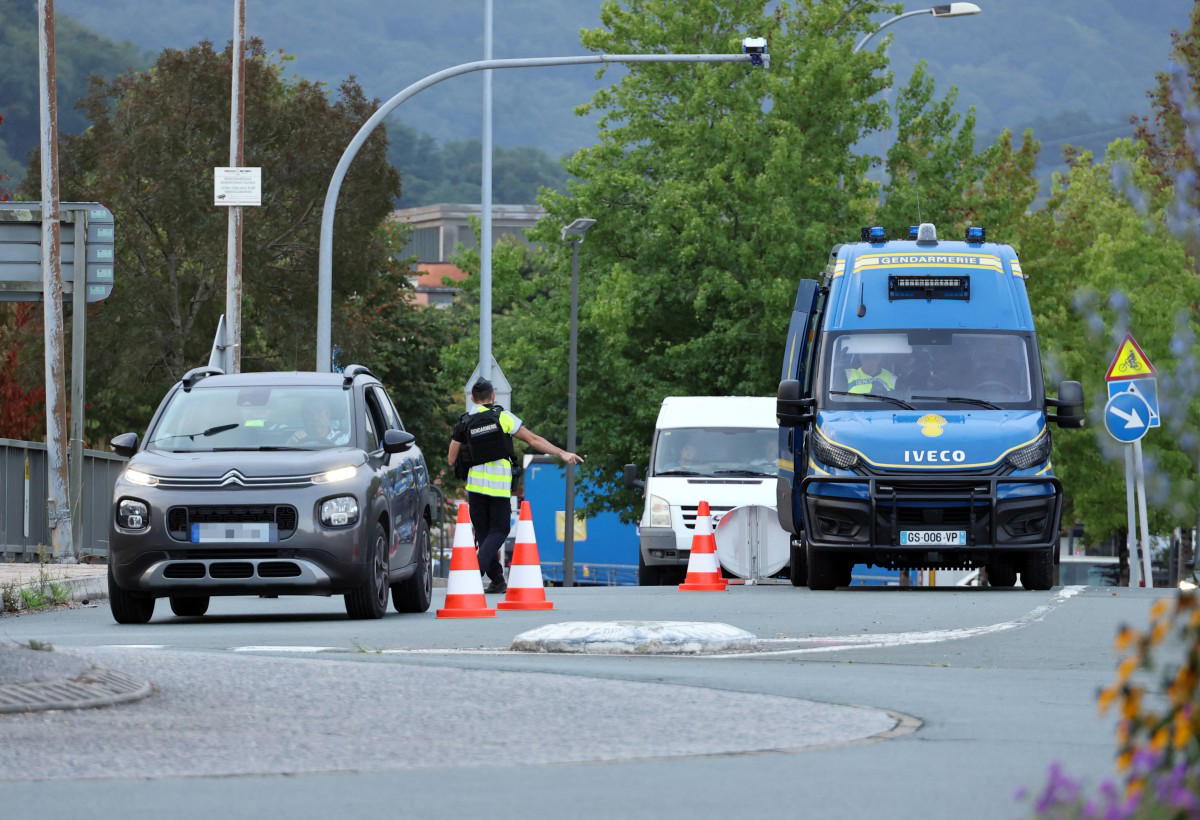
Spain has returned around 70,000 of the 72,000 migrants who crossed into its North African enclave of Ceuta in one of the largest irregular border movements in recent European history, as Madrid and Rabat move swiftly to contain a crisis that has reignited debate over migration, border security and European Union policy.
Spain's Interior Minister, Fernando Grande-Marlaska, confirmed on Tuesday that the vast majority of those who entered Ceuta had already been sent back to Morocco under existing bilateral agreements between the two countries. He said cooperation between Spanish and Moroccan authorities had been instrumental in managing the unprecedented influx, while emphasising that efforts were continuing to address the situation of those who remain in the enclave, particularly unaccompanied minors and individuals with potential asylum claims.
The mass crossing unfolded over just a few days, placing enormous pressure on Ceuta's reception facilities, emergency services and security personnel. Images of thousands of people entering the Spanish territory from neighbouring Morocco quickly dominated international headlines, prompting emergency meetings among European officials and renewed discussions about how the bloc should respond to sudden migration surges.
Ceuta occupies a unique place in global migration. Although located on the northern coast of Africa, the autonomous city is Spanish territory and therefore one of only two land borders between the European Union and the African continent. For many migrants hoping to reach Europe, the enclave represents one of the shortest physical routes into the EU, making it a recurring flashpoint whenever migration pressures intensify.
While Spain has praised Morocco for working to facilitate the rapid return of migrants, the crisis has also exposed deeper political divisions across Europe. Some European leaders have called for tougher external border controls and faster return procedures, while others argue that long-term solutions require stronger cooperation with countries of origin, expanded legal migration pathways and greater investment in tackling the economic and security challenges that drive people to leave their homes.
Humanitarian organisations, meanwhile, have urged authorities to ensure that international protection obligations are respected throughout the return process. Particular attention has focused on children travelling alone and vulnerable migrants who may qualify for asylum under international law. Spanish officials say each case is being handled within the country's legal framework and in coordination with relevant agencies.
The latest developments come at a time when migration has once again become one of Europe's defining political issues. Although irregular arrivals across several Mediterranean routes have declined in recent years, sudden movements such as the one witnessed in Ceuta demonstrate how quickly migration pressures can escalate and reshape political debate across the continent. Governments continue to balance humanitarian responsibilities with public demands for stronger border management, making migration one of the most complex policy challenges facing the European Union.
For readers of FollowGlobalTrends.com, the Ceuta crisis is about more than border numbers. It illustrates how migration, diplomacy and security have become deeply interconnected in today's world. Decisions made in one frontier city can influence relations between neighbouring countries, shape European policy and affect thousands of lives seeking safety or better economic opportunities. As Europe prepares for further discussions on migration reform, the events in Ceuta are likely to remain a defining reference point in the continent's evolving approach to border management and international cooperation.