
Peter Obi Says Questions About a President’s Past Should Never Be Hidden
Peter Obi has defended the public’s right to scrutinize political leaders, arguing that questions about a president’s past are a legitimate part of democratic accountability.
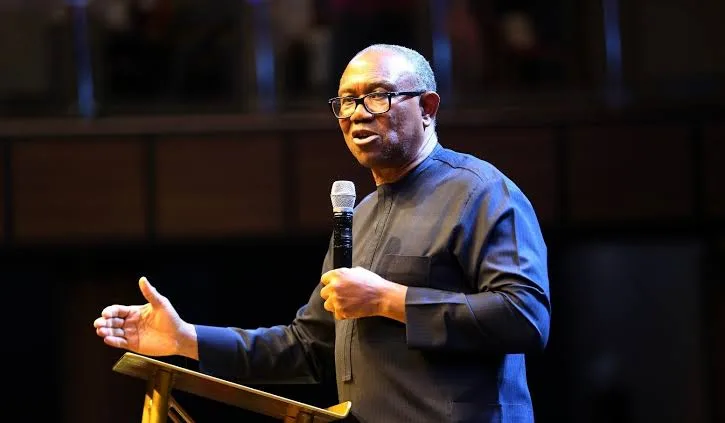
Peter Obi, the presidential candidate of the Nigeria Democratic Congress (NDC) in Nigeria’s forthcoming 2027 election, has reignited national debate over leadership and transparency after publishing a Facebook post titled “A President and the Endless Question of His Past.”
In the widely shared statement, Obi criticized what he described as the “embarrassing” spectacle of a sitting Nigerian president asking a foreign court to withhold records relating to his past. Although he did not present new evidence, his post argued that matters of legitimate public interest should never be hidden from citizens, particularly when they concern the occupant of the nation’s highest office.
Obi began by reaffirming his loyalty to Nigeria, saying he had never sought foreign citizenship despite opportunities to do so. He said he spent Sunday praying for the country and those entrusted with leadership before expressing concern over what he believes is the troubling direction of the nation’s politics.
At the heart of his message was a broader argument about accountability rather than personal history. Obi said genuine leadership requires the courage to confront one’s past, acknowledge mistakes where they exist, provide honest explanations when questions arise and apologize when necessary. According to him, public trust grows stronger when leaders accept responsibility instead of attempting to shield uncomfortable aspects of their record from scrutiny.
He devoted particular attention to questions surrounding educational credentials, arguing that issues relating to a president’s primary and secondary education should be resolved through clear, credible and verifiable explanations rather than prolonged legal disputes. Nigerians, he said, deserve transparency on matters that have previously formed part of a candidate’s public profile.
The statement comes as political tensions continue to rise ahead of the 2027 presidential election, with governance, economic hardship and institutional accountability expected to dominate national debate. President Bola Tinubu has consistently maintained that controversies surrounding his past have been addressed through legal and constitutional processes, while his supporters argue that the issues have long been settled.
Obi, however, insisted that his greatest concern extends beyond any individual. He warned that the example set by the presidency carries profound consequences for more than 200 million Nigerians, especially the country’s millions of school-age children who look to national leaders as models of integrity and ethical conduct.
He concluded with a reminder that political power is temporary, while the values established by those who hold office can shape generations. “Nigeria is greater than any one person,” Obi wrote, arguing that the integrity of the Republic must always take precedence over individual ambition.
While the debate may centre on President Tinubu today, Obi’s message was framed in wider terms. His argument was that no president, regardless of party affiliation or popularity, should be insulated from questions about their past. In a democracy, he suggested, scrutiny is not a sign of disrespect but a necessary safeguard against the concentration of power.
As Nigeria moves closer to another pivotal election, the discussion reflects a deeper struggle over what voters expect from those who seek the presidency. Economic performance, security and governance will remain central campaign issues, but questions of character, transparency and public trust are increasingly becoming part of the political conversation. The significance of Obi’s intervention lies not only in whom it targets, but in the broader principle it raises: whether democratic accountability should have limits once a leader assumes office.