
Peter Obi Says “Everything Has Collapsed” in Nigeria at Rivers Town Hall
NDC Presidential Candidate Peter Obi says Nigeria’s economic and public institutions have deteriorated sharply, urging urgent reforms during a town hall meeting in Rivers State.
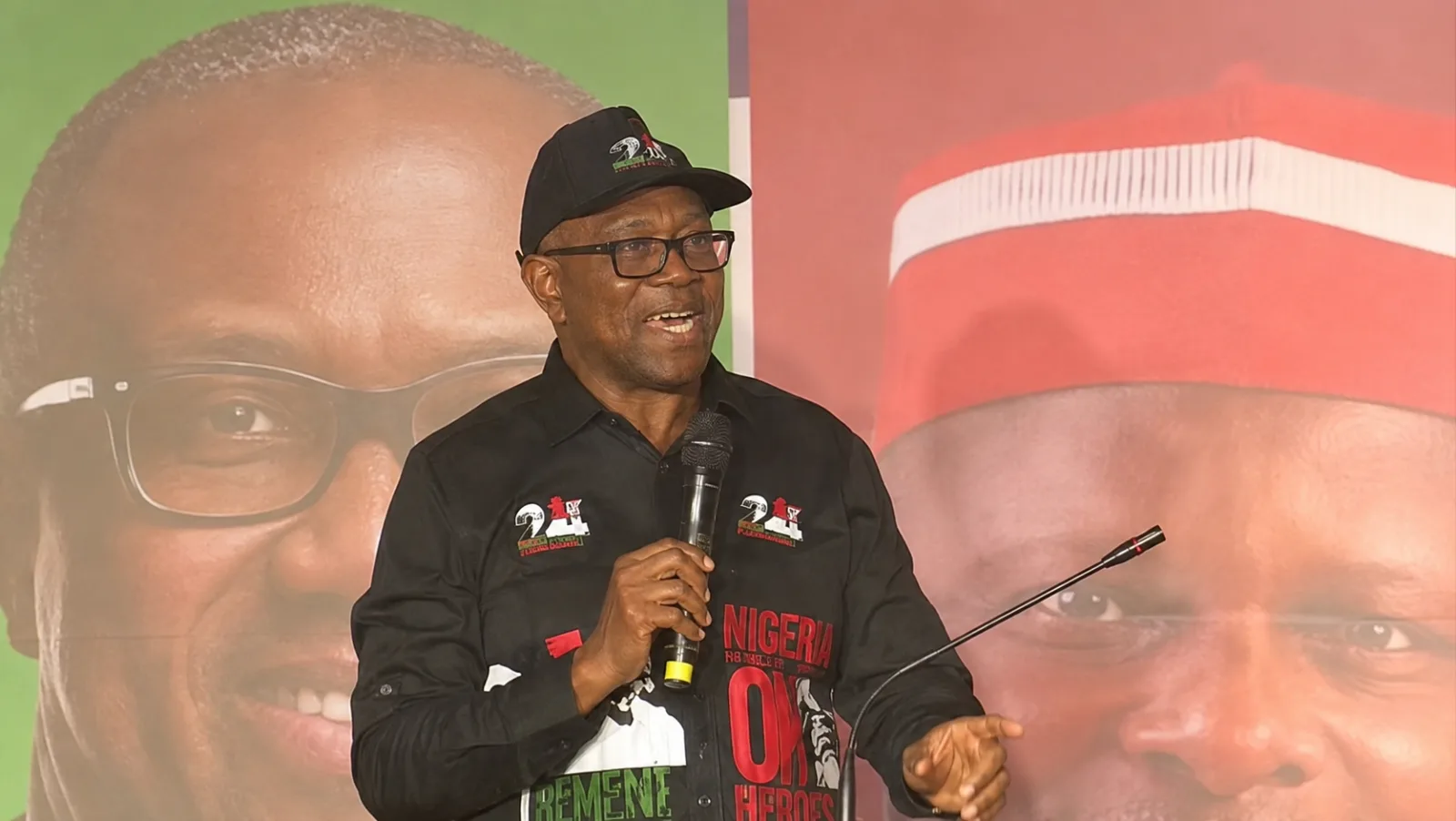
NDC Presidential Candidate Peter Obi has delivered a sweeping criticism of Nigeria’s economic and public institutions, arguing that decades of decline have left the country without the national assets and functional services it once possessed.
Speaking during a town hall meeting in Rivers State, Obi told attendees that Nigeria had steadily lost strategic national capacity in sectors ranging from shipping and aviation to healthcare. He said the country’s current challenges were the result of poor leadership and the failure to build on the foundations laid in the years after independence.
Using historical comparisons, Obi recalled that Nigeria’s National Shipping Line owned six vessels in 1959 and expanded to eight by 1961, describing it as a symbol of a nation that was once investing in its economic future. He contrasted that with the present day, saying Nigeria no longer has a national fleet while other countries have continued to grow their maritime and transport industries.
He also pointed to the rise of Emirates, noting that the airline began operations in 1985 with two leased aircraft, while Nigeria had more than 20 planes at the time. According to Obi, the UAE carrier has since grown into one of the world’s largest airlines with a fleet of more than 280 aircraft, whereas Nigeria’s own national airline no longer exists.
Turning to healthcare, Obi painted a bleak picture of the country’s medical system, saying many Nigerians have lost confidence in public hospitals because of inadequate facilities and poor outcomes. He remarked that seriously ill patients often face dire prospects, arguing that this loss of trust has driven some families to seek spiritual intervention before medical treatment.
The former governor said the comparisons were not intended to glorify the past but to demonstrate how nations that invest consistently in institutions can achieve long-term progress. He maintained that Nigeria still possesses the human and natural resources needed for recovery, provided governance is centred on productivity, accountability and investment in critical sectors.
Obi’s remarks come as economic management, unemployment, healthcare and infrastructure remain central issues in Nigeria’s political debate ahead of the next electoral cycle. His comments are likely to resonate with supporters who have long argued for structural reforms, while critics are expected to challenge both his historical comparisons and his assessment of successive governments.
Beyond the politics, the speech reflects a broader national conversation about whether Nigeria can rebuild institutions that once symbolized its economic ambition. As voters increasingly judge leaders by tangible improvements in jobs, healthcare and public services, the contest over the country’s future is becoming as much about restoring confidence as it is about winning elections.