
Peter Obi Fires Back at Datti: My Anambra Record Speaks for Itself
Peter Obi has rejected Yusuf Datti Baba-Ahmed’s claim that Nigeria’s leading 2027 contenders cannot transform the country, insisting his record in Anambra proves he can deliver national change.
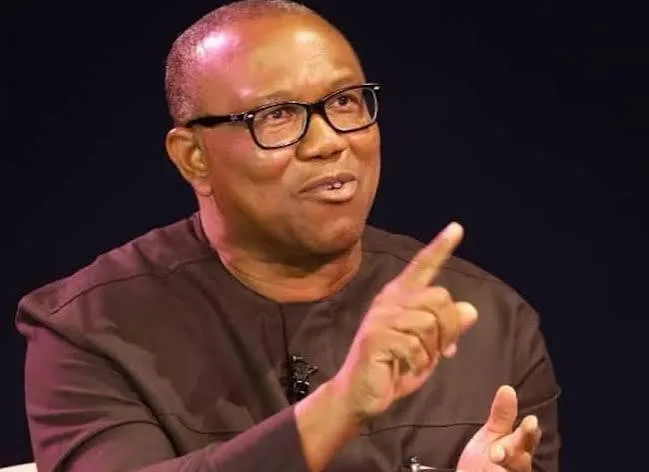
Presidential candidate of the Nigeria Democratic Congress (NDC), Peter Obi, has responded to criticism from his former running mate, Yusuf Datti Baba-Ahmed, insisting that his record as governor of Anambra State demonstrates his ability to improve Nigeria if elected president in 2027.
Obi’s response follows comments by Datti, who argued that none of the politicians challenging President Bola Tinubu in the 2027 election, including Obi, could fundamentally change the country. Speaking on the Mic On Podcast hosted by Seun Okinbaloye, Datti said Nigeria’s opposition figures had all been part of the political system at one point or another, and specifically included Obi when asked whether his criticism applied to him.
In an interview preview released on Monday, Obi dismissed that assessment and pointed to his eight-year administration in Anambra as evidence that measurable governance reforms are possible.
“I passed through Anambra State, and I improved the state in critical areas of development. And I can do the same thing in Nigeria,” Obi said.
The former governor said his presidency would focus on restoring order and civility to governance while reducing the cost of government. He pledged to eliminate waste, tackle systemic corruption and rebuild public institutions through transparency and accountability.
Obi also outlined broader priorities that he said would define an NDC administration, including strengthening law and order, guaranteeing credible elections, improving healthcare and education, uniting the country and lifting millions of Nigerians out of poverty. According to him, restoring honour and respect to Nigeria’s public service is essential to rebuilding citizens’ confidence in government.
The exchange highlights an increasingly public divide between two politicians who contested the 2023 presidential election together on the Labour Party ticket. While Datti has questioned whether Nigeria’s familiar political figures can deliver meaningful reform, Obi argues that leadership should be judged by proven results rather than broad skepticism.
Their disagreement comes as official campaigns for the 2027 presidential election gather pace, with parties sharpening their messages around economic recovery, insecurity, institutional reform and the rising cost of governance. Analysts say the debate reflects growing competition within the opposition over who offers the most credible alternative to the ruling administration.
For Obi, the response is more than a defence of his candidacy, it is an attempt to make his Anambra record the central argument of his presidential bid. As the 2027 campaign unfolds, voters will increasingly weigh competing claims not only about political promises, but about which leaders can point to tangible evidence of transformative governance.