Peter Obi Backs Fuel Subsidy Removal, Faults Government Over Its Proceeds
Peter Obi says removing fuel subsidy was the right policy, but argues that the government has failed to properly deploy the resources recovered from the reform.
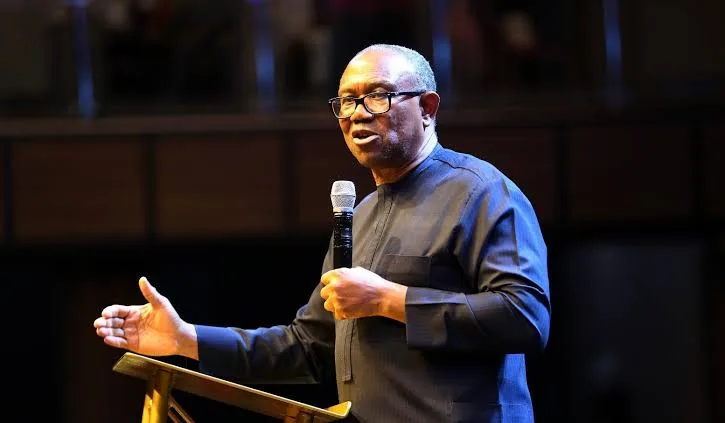
Former Anambra State governor and 2027 presidential candidate Peter Obi has backed the removal of Nigeria’s petrol subsidy, while accusing the government of mismanaging and allegedly diverting the resources recovered from the policy.
Obi made the remarks on Monday at the Nigerian Bar Association’s 66th Annual General Conference in Port Harcourt, where he took part in discussions around Nigeria’s economic and political direction ahead of the 2027 elections. The subsidy debate featured prominently as political figures set out competing positions on one of the most consequential economic decisions of the Tinubu administration.
“I subscribe, and I maintain that you need to remove subsidy,” Obi said at the conference. He argued, however, that the removal should have been accompanied by clear alternatives for Nigerians who would bear the immediate impact of higher petrol prices.
“Mismanagement of the proceeds should not be the reason for not removing it,” he said, adding that the government should have provided Nigerians with “alternative usage for the subsidy.”
Obi's position places him apart from politicians calling for a straightforward return to the former subsidy regime. His argument is that the policy itself was necessary, but that the benefits expected from redirecting the money previously spent on subsidies have not been sufficiently visible to Nigerians.
He went further in criticizing the administration's management of the funds, alleging that “the removal and the attendant resources being recovered are also being mismanaged and stolen.” The allegation is Obi's political assessment; it is not an established finding that all resources recovered from subsidy removal have been stolen.
The Federal Government has consistently argued that the subsidy removal was necessary because the previous system had become financially unsustainable and susceptible to abuse. President Bola Tinubu announced the end of the petrol subsidy shortly after taking office in May 2023, triggering a sharp increase in fuel prices and a broader rise in transportation and living costs.
Government officials maintain that the reform has nevertheless created substantial fiscal space. The Finance Ministry estimates that subsidy removal generated about ₦15.8 trillion in resources for the Federation between June 2023 and December 2025. Of that amount, approximately ₦5.43 trillion represented the Federal Government's share, with states and local governments receiving the larger portion through Federation Account allocations.
The government has also rejected the suggestion that the subsidy savings amounted to a single pool of cash available for immediate distribution. According to the Finance Ministry, the Federal Government combined its share of subsidy-related savings with additional independent revenue and borrowing, generating about ₦20.4 trillion in incremental resources. It says additional expenditure during the period reached about ₦30.64 trillion, including spending on debt servicing, infrastructure, wages, electricity support and social programmes.
That explanation does not resolve the concern at the centre of Obi's argument. His criticism is that the removal of subsidy should have been matched by a much more deliberate effort to reduce the burden on households. In practical terms, that could mean using the resources to improve public transportation, reduce energy costs, strengthen social protection and invest in productive sectors that could ultimately lower the cost of living.
The Tinubu administration says it has taken steps in that direction. Its response to the economic shock has included conditional cash transfers, CNG buses, agricultural support, student loans, wage adjustments and interventions aimed at small businesses. The presidency has repeatedly linked some of these programmes to the fiscal space created by the government's reforms.
International institutions have also generally supported the direction of subsidy reform while stressing the need for stronger protection for vulnerable Nigerians. The World Bank has described subsidy removal as an important part of improving Nigeria's fiscal position, while warning that the adjustment creates significant short-term pressure on poorer households and requires effective social-protection measures.
Obi's comments therefore introduce a more nuanced position into an increasingly heated 2027 campaign debate. Rather than arguing that Nigeria should simply reverse the policy, he is challenging the government to demonstrate what Nigerians have received in return for accepting the economic consequences of subsidy removal.
That distinction could become increasingly important as opposition parties attempt to define their economic alternatives ahead of the election. Some opposition politicians have called for a return to subsidies, while others, like Obi, are arguing that the fundamental problem is not necessarily the decision to remove the subsidy but what happened to the money and whether the government built credible alternatives for citizens.
The issue is also likely to remain politically potent because the effects of subsidy removal are still felt in everyday life. Higher transport fares, food distribution costs and household expenses have made the policy highly visible to voters, even as the government points to improved fiscal balances and increased revenue.
For Obi, the argument offers a way to challenge the administration's economic record without abandoning the principle of subsidy reform. It shifts the focus from whether subsidy should have been removed to whether government has been accountable for what came after its removal.
That may ultimately become one of the defining questions of the 2027 economic debate. Nigerians are unlikely to judge subsidy removal solely by the government's fiscal calculations or by the opposition's promises to reverse it. They will also judge whether the resources released by the reform have produced visible improvements in their lives. In that sense, Obi's position turns the subsidy argument into a broader question of public accountability: if Nigerians were asked to bear the cost of reform, where is the corresponding public benefit?