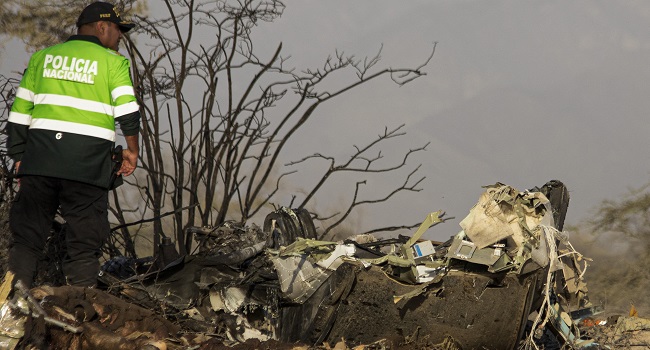
A sightseeing flight over one of South America's most famous archaeological landmarks ended in tragedy on Saturday after a small tourist aircraft crashed near Peru's iconic Nazca Lines, killing all 13 people on board. The victims included seven Italian tourists, two Germans, two Spaniards and two Peruvian crew members, according to Peru's Ministry of Transport and Communications.
The aircraft, a Cessna Grand Caravan C-208 operated by local airline Aerodiana, had departed from Pisco Airport for a scenic flight over the UNESCO World Heritage-listed Nazca Lines when it reported an emergency approximately 50 minutes into the journey. Contact with air traffic control was subsequently lost before the plane crashed near the Socos area, close to the city of Nazca. Authorities confirmed there were no survivors.
Emergency responders arrived at the crash site to find the aircraft engulfed in flames, making rescue efforts impossible. Officials have not yet determined the cause of the accident, although aviation authorities have launched a full investigation. Preliminary reports suggest the crew declared an in-flight emergency shortly before the crash.
The passengers had travelled to Peru to experience the world-famous Nazca Lines, a vast collection of ancient geoglyphs etched into the desert more than 1,500 years ago. Stretching across the arid plains of southern Peru, the enormous figures—depicting animals, plants and geometric patterns—are best appreciated from the air, making sightseeing flights one of the region's most popular tourist attractions. The site attracts tens of thousands of international visitors every year and remains one of Peru's most important tourism assets.
Saturday's tragedy has once again raised questions about the safety of scenic flights operating over the Nazca desert. Although such flights are a cornerstone of the local tourism industry, the region has witnessed several fatal aviation accidents over the past two decades, prompting recurring debates over aircraft maintenance, pilot training and regulatory oversight. Previous crashes in 2010, 2022 and other years have also claimed the lives of tourists visiting the archaeological site.
Peruvian authorities have expressed condolences to the families of the victims while investigators from the country's aviation accident commission work to determine what caused the aircraft to go down. Officials are expected to examine flight data, weather conditions, maintenance records and communications between the flight crew and air traffic controllers before releasing their findings.
For Peru, the accident is a painful reminder of the delicate balance between promoting tourism and ensuring aviation safety. Scenic flights over the Nazca Lines have introduced millions of visitors to one of the world's most extraordinary archaeological wonders, but each accident inevitably renews calls for stronger oversight to protect both tourists and crew.
For readers of FollowGlobalTrends.com, this story goes beyond a tragic aviation accident. It underscores a broader challenge facing global tourism: as destinations compete to offer unforgettable experiences, maintaining the highest safety standards remains essential to protecting lives and preserving confidence in international travel.