
Nigeria's Malaria Fight Reaches Major Milestone as Prevalence Falls to 15%
Nigeria is recording significant progress in the fight against malaria, with prevalence falling to 15% and raising fresh hopes for further gains against the disease.
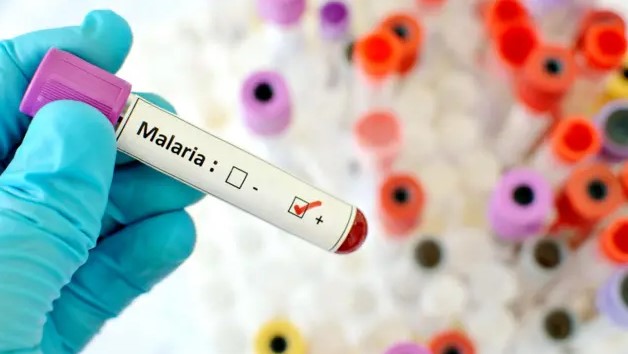
Nigeria has reached a significant milestone in its decades-long battle against malaria, with the country's malaria prevalence falling from 42 per cent in 2010 to 15.2 per cent in 2025, according to health experts, a development being hailed as one of the country's most encouraging public health achievements in recent years.
The latest figures were highlighted by Dr. Michael Adekunle Charles, Chief Executive Officer of the RBM Partnership to End Malaria, during a visit to the Malaria Consortium's Nigeria office in Abuja. He described the decline as evidence that sustained investment, strategic partnerships and science-driven interventions are beginning to deliver measurable results in the fight against one of Nigeria's deadliest diseases.
For years, Nigeria has carried one of the world's highest malaria burdens, accounting for a substantial share of global infections and deaths, particularly among children under five and pregnant women. The disease has not only strained the country's healthcare system but has also imposed heavy economic costs through lost productivity, school absenteeism and increased household medical expenses. Against that backdrop, the latest reduction represents more than a health statistic—it signals meaningful progress in improving the wellbeing of millions of Nigerians.
Health experts attribute the improvement to a combination of interventions that have been expanded over the past decade. These include wider distribution of insecticide-treated mosquito nets, greater access to rapid diagnostic testing, improved availability of effective antimalarial medicines, stronger disease surveillance systems and sustained public awareness campaigns encouraging early diagnosis and treatment. Increased collaboration between government agencies, international development partners and community-based organisations has also strengthened malaria prevention efforts across the country.
Despite the progress, officials caution that the fight is far from over. Nigeria continues to record millions of malaria cases every year, and the disease remains a major public health challenge, particularly in rural communities where access to healthcare services is often limited. Experts warn that climate change, rapid urbanisation, insecticide resistance and funding gaps could threaten recent gains if control programmes are not sustained.
The encouraging figures also come at a time when innovation is reshaping malaria control globally. New malaria vaccines, digital disease surveillance tools and improved vector-control strategies are expanding the range of interventions available to countries with high disease burdens. While prevention through mosquito control and prompt treatment remains the cornerstone of Nigeria's strategy, health authorities believe emerging technologies could further accelerate progress toward elimination.
Public health specialists argue that maintaining the downward trend will require continued investment rather than complacency. Expanding healthcare access, strengthening primary healthcare facilities, improving sanitation and ensuring communities continue to adopt preventive measures will be critical if Nigeria is to move from reducing malaria to eventually eliminating it as a major public health threat.
For readers of FollowGlobalTrends.com, Nigeria's declining malaria prevalence offers an important reminder that long-term investment in public health can produce transformative results. While significant challenges remain, the country's progress demonstrates that coordinated action, scientific innovation and sustained political commitment can change the trajectory of even the most persistent diseases. As Africa continues to confront infectious diseases alongside emerging health challenges, Nigeria's experience provides cautious optimism that determined efforts can save lives and strengthen the continent's future.