
Nigeria and China Strengthen Cultural Diplomacy with Landmark Creative Pact
China and Nigeria have signed a creative industry pact aimed at deepening cultural ties, strengthening collaboration and using the arts as a tool of diplomacy
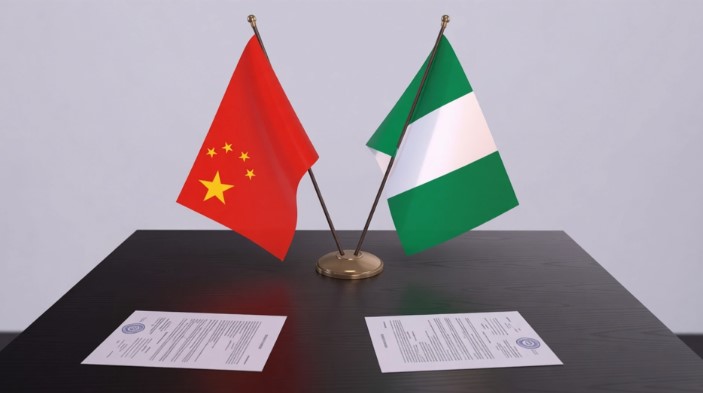
Nigeria and China have taken another significant step in strengthening bilateral relations after signing a landmark agreement aimed at expanding cooperation in the creative industries, with a focus on film co-productions, content exchange, technology transfer and cultural diplomacy.
The agreement was signed between China Movie Channel (CMC) and the Nigerian Television Authority (NTA) during the China–Nigeria Film and Literature Symposium at the China Cultural Centre in Abuja, as both countries marked 55 years of diplomatic relations. The partnership is expected to create new opportunities for collaboration between China's film industry and Nollywood, the world's second-largest film industry by production volume.
Under the new pact, both sides will collaborate on film co-productions, content distribution, professional training, talent exchange, technology transfer and international promotion of creative works. Industry stakeholders say the agreement has the potential to open the vast Chinese entertainment market to more Nigerian productions while enabling Chinese filmmakers to engage more deeply with Africa's rapidly expanding creative economy.
For Nigeria, the partnership comes at a time when the Federal Government is placing renewed emphasis on the creative economy as a driver of economic diversification, youth employment and foreign exchange earnings. Nollywood already contributes significantly to the country's economy, employing thousands of actors, producers, directors, technicians and other creative professionals. Greater access to international markets could further accelerate the industry's growth.
Chinese officials described the agreement as an important instrument of cultural diplomacy, noting that films and television remain among the most effective ways to strengthen people-to-people connections and promote mutual understanding. Nigerian representatives echoed that view, saying collaboration through storytelling can build stronger cultural bridges while showcasing the richness of both countries' histories, traditions and contemporary societies.
Beyond entertainment, analysts see the initiative as part of the broader evolution of Nigeria–China relations. While bilateral cooperation has traditionally centred on infrastructure, trade and investment, both governments are increasingly extending their partnership into education, innovation, tourism and the creative industries. Experts argue that cultural exchanges often generate long-term diplomatic goodwill by fostering deeper public engagement beyond government-to-government relations.
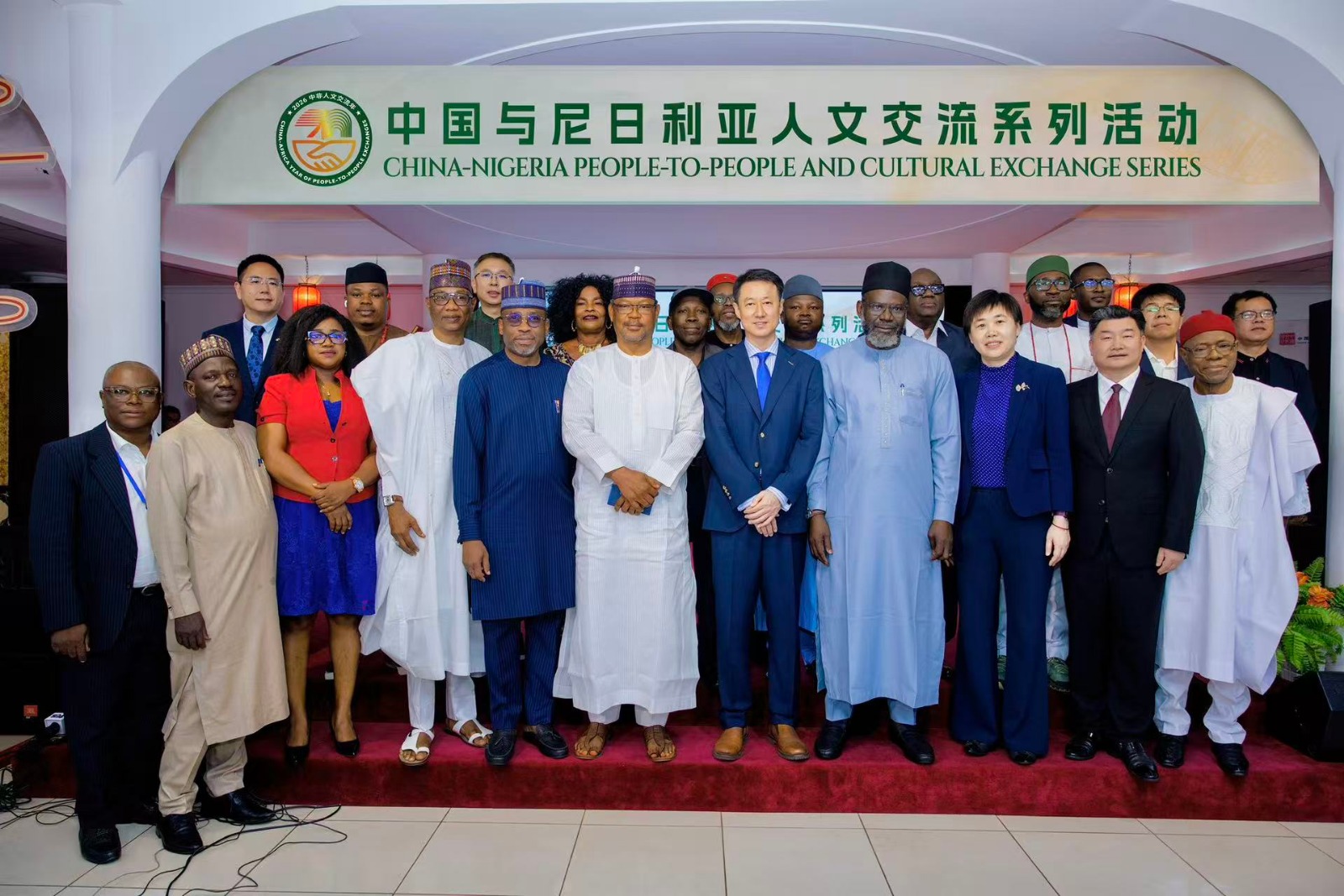
The agreement could also create new commercial opportunities for filmmakers, broadcasters and digital content creators. As streaming platforms continue to reshape global entertainment consumption, co-productions between Nigerian and Chinese studios may help expand audience reach, attract international investment and introduce new production technologies into Africa's creative ecosystem.
Industry observers believe the collaboration will encourage knowledge-sharing in areas such as visual effects, animation, digital production and film distribution, segments where China's rapidly growing entertainment industry has made significant technological advances. Nigerian creatives, meanwhile, are expected to contribute their internationally recognised storytelling expertise and growing influence in African popular culture.
The initiative aligns with a wider trend of countries using creative industries as instruments of soft power. Around the world, governments are increasingly investing in film, music, literature and digital media not only as economic sectors but also as platforms for strengthening international influence and promoting national identity.
For readers of FollowGlobalTrends.com, the new Nigeria–China creative industry pact represents more than a cultural agreement. It reflects the growing recognition that the future of diplomacy will be shaped not only by trade deals and infrastructure projects, but also by stories, ideas and creative collaboration. If successfully implemented, the partnership could position Nigeria's creative sector to reach new global audiences while strengthening one of Africa's most important international relationships.