Mina Chan Dies at 26 as K-Pop Fandom Faces Tough Questions Over Online Harassment
TikTok creator Chan, who had about 80,000 followers in South Korea, died on August 5 after a distressing livestream from her Seoul home prompted viewers to alert emergency services.
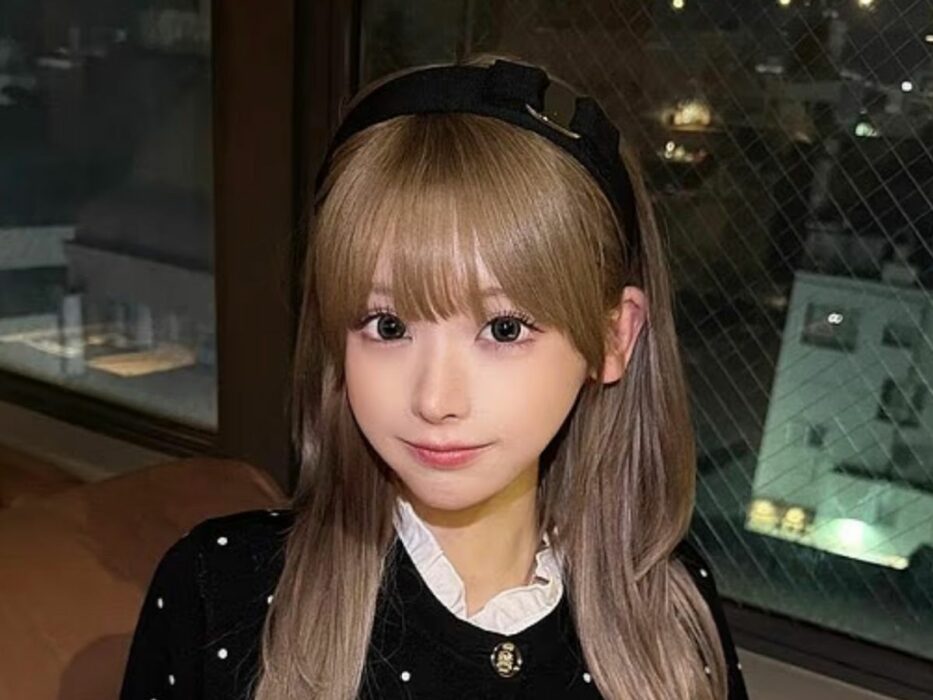
The death of Japanese K-pop influencer Mina Chan, 26, has sent shockwaves through the ENHYPEN fan community and reignited a difficult conversation about online harassment, fandom culture and how quickly social-media criticism can spiral into something far more serious.
Chan, who was based in South Korea and had built a following of around 80,000 people on TikTok, died on August 5 after a distressing livestream from her residence in Seoul prompted viewers to contact emergency services. South Korea's Yongsan Police Station later found her dead at an apartment in the city's Yongsan district. Her younger sister confirmed her death the following day.
Chan was particularly well known among fans of the K-pop group ENHYPEN, with much of her online content focused on the group and its Japanese member Ni-ki.
In the weeks before her death, however, she had become the centre of an increasingly hostile online controversy following an incident at an ENHYPEN event in the United States.
According to reports, Chan attempted to have another ENHYPEN member, Sunoo, pass flowers to Ni-ki. The incident drew criticism from some fans, who accused her of seeking attention and crossing boundaries with the performers. Chan later acknowledged that her behaviour had been inappropriate and issued a public apology on July 31.
In her apology, Chan said she had allowed repeated attendance at fan events to create an exaggerated sense of closeness between herself and the members. She expressed regret for the incident and apologised to Sunoo and his fans.
The controversy did not end there.
Around the same period, Ni-ki spoke during a livestream about fans who appeared more interested in receiving personal attention from artists than enjoying concerts. Some users interpreted the comments as being directed at Chan, although neither Ni-ki nor ENHYPEN's agency publicly identified her or confirmed that the remarks were about her.
That distinction has become particularly important following her death.
While reports have documented the online criticism Chan faced, there is currently no official finding that the backlash caused or directly contributed to her death. Police are investigating the circumstances, and the sequence of events should not be presented as proof of causation.
What is clear is that the controversy had become intensely personal.
Following her apology, Chan reportedly continued to receive hostile messages online. After news of her death emerged, many fans condemned the harassment and questioned how a dispute within a fan community had been allowed to escalate so dramatically.
The reaction has once again put the darker side of celebrity fandom under the spotlight.
K-pop has developed some of the world's most passionate online communities, allowing fans across continents to communicate instantly, organise events and support artists. But the same networks can also create enormous pressure when thousands of people focus their attention on one individual.
A disagreement that might once have remained a private argument can now become a global digital pile-on.
And once personal information, accusations and insults begin circulating, withdrawing from the conversation can become remarkably difficult.
Chan's case has also revived discussion about parasocial relationships, the emotional connections fans can develop with performers they may never personally know. Those relationships are an increasingly important part of modern entertainment, but they can blur the boundaries between admiration and personal entitlement, both for fans and for the communities surrounding them.
That does not make every intense fan relationship unhealthy, nor does it make fandom itself responsible for Chan's death. But the circumstances have prompted uncomfortable questions about where online communities should draw the line between criticism and harassment.
For the K-pop industry, that conversation is unlikely to disappear.
Entertainment companies have increasingly had to deal with stalking, threats, invasive fan behaviour and online abuse directed at both artists and other members of fandoms. The challenge is becoming more complicated as social platforms make it easier for fans to mobilise, and harder for individuals to escape collective scrutiny.
Chan's death has now made that discussion painfully personal for many people who knew her online.
Her family has asked for privacy, while police continue examining what happened. Meanwhile, fans have been left to confront a tragedy that began with what, on the surface, appeared to be a relatively small dispute inside a vast global fandom.
For FollowGlobalTrends, the story is ultimately bigger than K-pop.
It is about what happens when millions of people gather online around a shared passion, and how quickly that sense of community can change when disagreement turns into a campaign against one person.
Mina Chan's death has left questions that cannot be answered by social-media speculation. But it has also left a warning for digital communities everywhere: behind every username, comment and viral controversy is a real person.